← Back

Cathedral of St. Andrew

Piazza Duomo, 54033 Carrara MS, Italia ★★★★☆ 383 views
Ria Bonner
Carrara
🏆 AI Trip Planner 2026

Get the free app

Discover the best of Carrara with Secret World — the AI trip planner with 1M+ destinations. Get personalized itineraries, hidden gems and local tips. Free on iOS & Android.

🧠 AI Itineraries 🎒 Trip Toolkit 🎮 KnowWhere Game 🎧 Audio Guides 📹 Videos
Scan to download iOS / Android
Scan for AppGallery Huawei users

About Cathedral of St. Andrew

Cathedral of St. Andrew - Carrara | Secret World Trip Planner

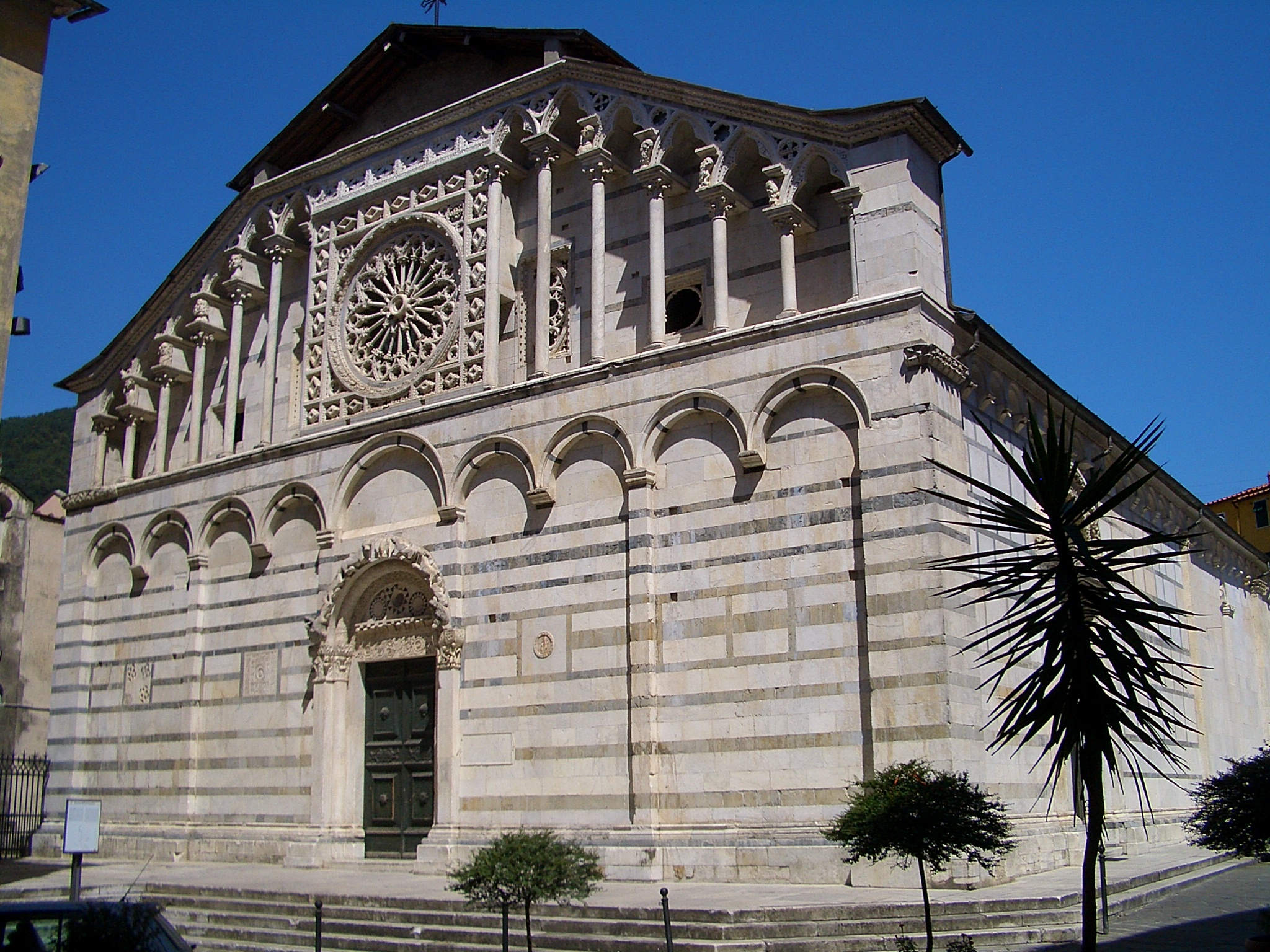
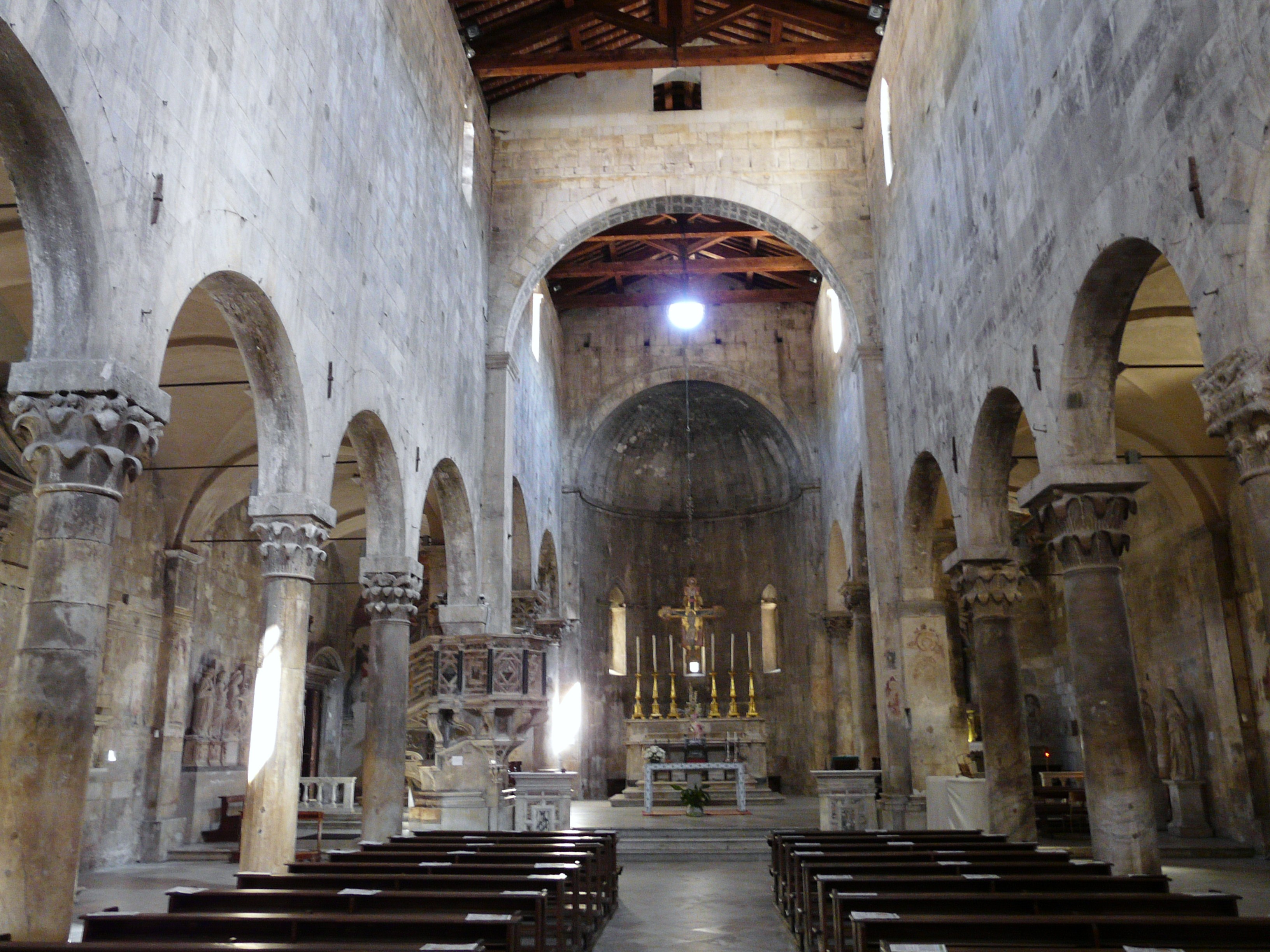
The first document concerning the parish church of Sant'Andrea dates back to 1035. The building was completed as we see it today in 1395, with the addition of the marble bichromatic facade and the bell tower. The church has three naves, the central one with a trussed ceiling and the lateral ones with cross vaults and a semicircular apse. The church was built in different periods, as evidenced by its architecture. Of the original eleventh-century structure, only a few decorative elements of the facade remain today. A second phase of the mid-twelfth century is indicated by the colonnade, the sculptures, the leaves and the animals typical of the medieval bestiary. The third and last phase dates back to the construction of the central rose window and the loggia. In the portal of the facade the sculptural decorations stand out while the lateral portal or of San Giovanni, coeval to the previous one, is a beautiful example of Lombard Romanesque art of the 12th century. The bell tower is strtutturato on five floors distinguished by ogival windows, marked by marble columns, initially single lancet windows and then mullioned windows with two, three and four lights. Inside, the church has valuable works of art such as the six minor altars, including one dedicated to St. Ceccardo, patron saint of Carrara, with Renaissance and Baroque influences, the group of the main altar of the fifteenth century, the Florentine sculptor Andrea De Guardi, the pulpit in polychrome marble of the sixteenth century and the two fourteenth-century statues depicting the Annunciation, called "the Cassanelle" and attributed to Giovanni Pisano.

Cathedral of St. Andrew - Carrara | Secret World Trip Planner
🗺 L'app dei tesori italiani

Plan your visit to Carrara

Suggested itinerary near Cathedral of St. Andrew

MAJ+
500.000+ travelers worldwide
  1. 🌅
    Morning
    Cathedral of St. Andrew
    📍 Carrara
  2. ☀️
    Afternoon
    Tuscany | Audiovisual Museum of Resistance
    📍 10.4 km · Carrara
  3. 🌆
    Evening
    The Firmafede Fortress in Sarzana
    📍 11.4 km · Carrara

Buy Unique Travel Experiences

Powered by Viator

See more on Viator.com

Explore nearby · Carrara

Frequently Asked Questions

The Cathedral of St. Andrew was completed in 1395 with the addition of its distinctive marble bichromatic facade and bell tower. The church features three naves with a central nave topped by a trussed ceiling and lateral naves with cross vaults and a semicircular apse, creating a striking architectural design.
Inside the cathedral, visitors can admire valuable works of art including six minor altars with Renaissance and Baroque influences, a fifteenth-century main altar group by Florentine sculptor Andrea De Guardi, a stunning sixteenth-century polychrome marble pulpit, and two fourteenth-century statues of the Annunciation attributed to Giovanni Pisano. The altar dedicated to St. Ceccardo, patron saint of Carrara, is particularly noteworthy.

The bell tower is structured on five distinctive floors, each featuring different types of ogival windows marked by marble columns, progressing from single lancet windows to mullioned windows with two, three, and four lights. This architectural progression showcases the evolution of the building's design across different periods.
The cathedral was built across three distinct periods, each leaving architectural traces visible today. The original eleventh-century structure shows only decorative facade elements, the mid-twelfth century phase is evident in the colonnade and medieval bestiary sculptures, and the final phase includes the central rose window and loggia.
The main facade portal features outstanding sculptural decorations, while the lateral San Giovanni portal is a beautiful example of twelfth-century Lombard Romanesque art. Don't miss the two fourteenth-century statues depicting the Annunciation called 'the Cassanelle,' attributed to the renowned sculptor Giovanni Pisano.