
← Back

Palace of the Podesta
Piazza Broletto, 46100 Mantova MN, Italia ★★★★☆ 263 views
Klara Bisset
Mantova
🏆 AI Trip Planner 2026

Get the free app

Discover the best of Mantova with Secret World — the AI trip planner with 1M+ destinations. Get personalized itineraries, hidden gems and local tips. Free on iOS & Android.

🧠 AI Itineraries 🎒 Trip Toolkit 🎮 KnowWhere Game 🎧 Audio Guides 📹 Videos
Scan to download iOS / Android
Scan for AppGallery Huawei users

About Palace of the Podesta

Palace of the Podesta - Mantova | Secret World Trip Planner

Palace of the Podesta

Palace of the Podesta - Mantova | Secret World Trip Planner

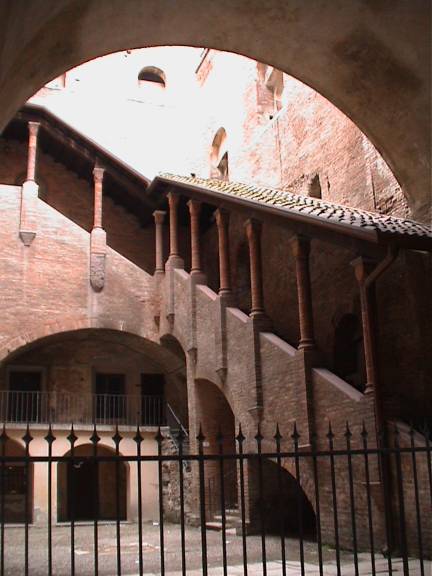
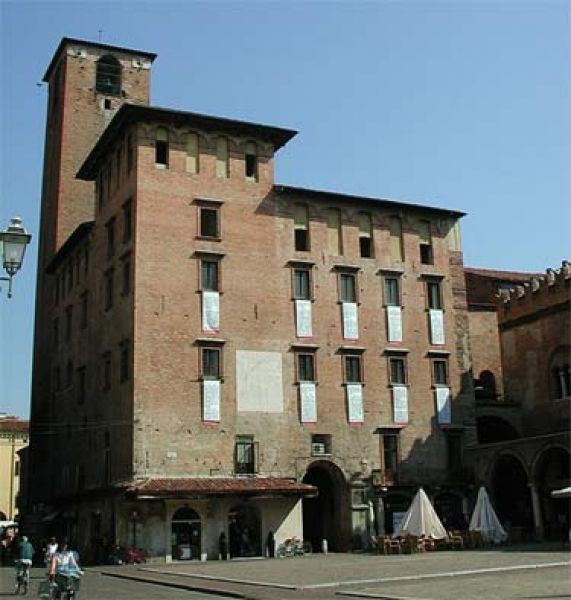
Palazzo del Podestà, or Palazzo del Broletto, was designed in 1227 to house the city's highest office. Afterwards it has often maintained its function as an administrative center. For a certain period it was also the seat of the administration of justice, and also a prison. Numerous fires have forced to remakes and renovations. We can notice two styles that identify as many constructive moments: the first simple but rough, the second humanistic-renaissance. The side facing Piazza Broletto hosts a niche with the statue of Virgil in Cattedra. The right side of the tower is occupied by a civic tower that had the function of a prison. At the base of the tower there is the Portico dei Lattai.


🗺 L'app dei tesori italiani

Plan your visit to Mantova

Suggested itinerary near Palace of the Podesta

MAJ+
500.000+ travelers worldwide
  1. 🌅
    Morning
    Palace of the Podesta
    📍 Mantova
  2. ☀️
    Afternoon
    Learco Guerra Cycling Museum - the Steel Horse
    📍 0 km · Mantova
  3. 🌆
    Evening
    Mantua and the Holy Grail
    📍 0.1 km · Mantova

Buy Unique Travel Experiences

Powered by Viator

See more on Viator.com

Explore nearby · Mantova

Frequently Asked Questions

The Palazzo del Podestà (also known as Palazzo del Broletto) was designed in 1227 to house the city's highest administrative office. Throughout its long history, it has served various functions including as a seat of justice administration and even as a prison, while maintaining its primary role as an administrative center.
The palace showcases two distinct architectural styles representing different construction periods: the first is simple but rough in character, while the second reflects humanistic-renaissance influences. These styles are visible throughout the building due to numerous fires that necessitated remakes and renovations over the centuries.
The palace features a statue of Virgil in Cattedra housed in a niche on the side facing Piazza Broletto, making it a significant cultural landmark. Additionally, the right side of the tower includes a civic tower that historically functioned as a prison, and at the base you can find the Portico dei Lattai.
Yes, the palace has had multiple functions throughout its history beyond its primary administrative role. It served as the seat of justice administration and housed a prison facility, particularly within the civic tower on the building's right side, demonstrating its importance to the city's governance and legal system.
Numerous fires throughout the palace's long history forced extensive remakes and renovations, which is why you can observe two distinct architectural styles representing different construction periods. These rebuilding efforts shaped the building's current appearance and structural composition.