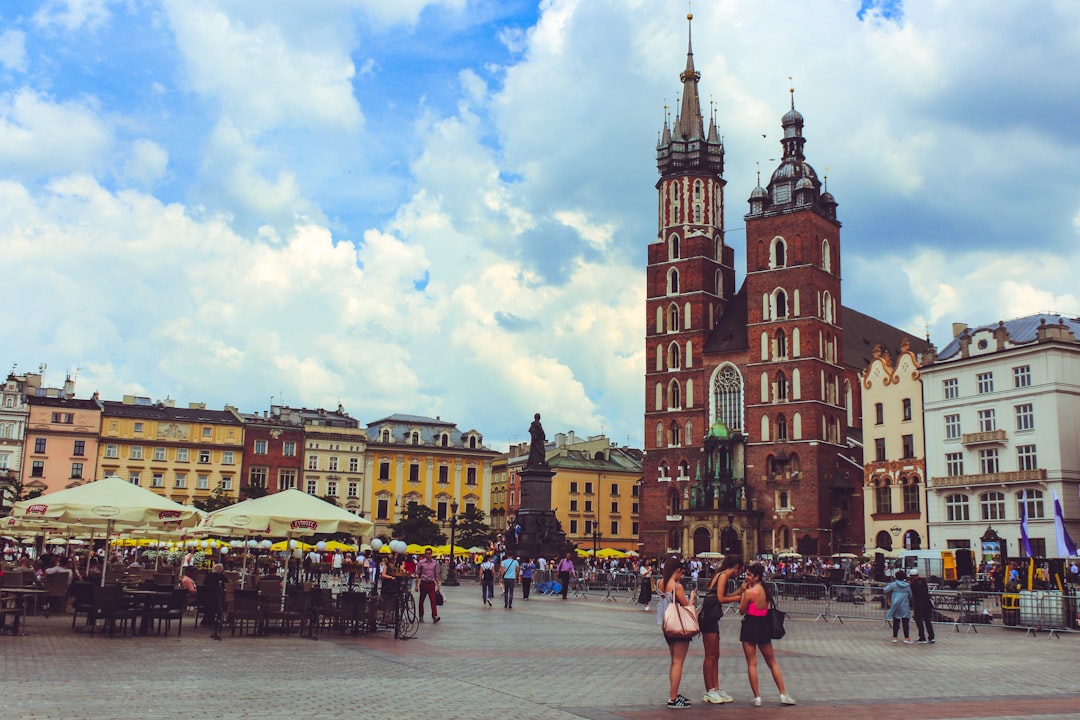

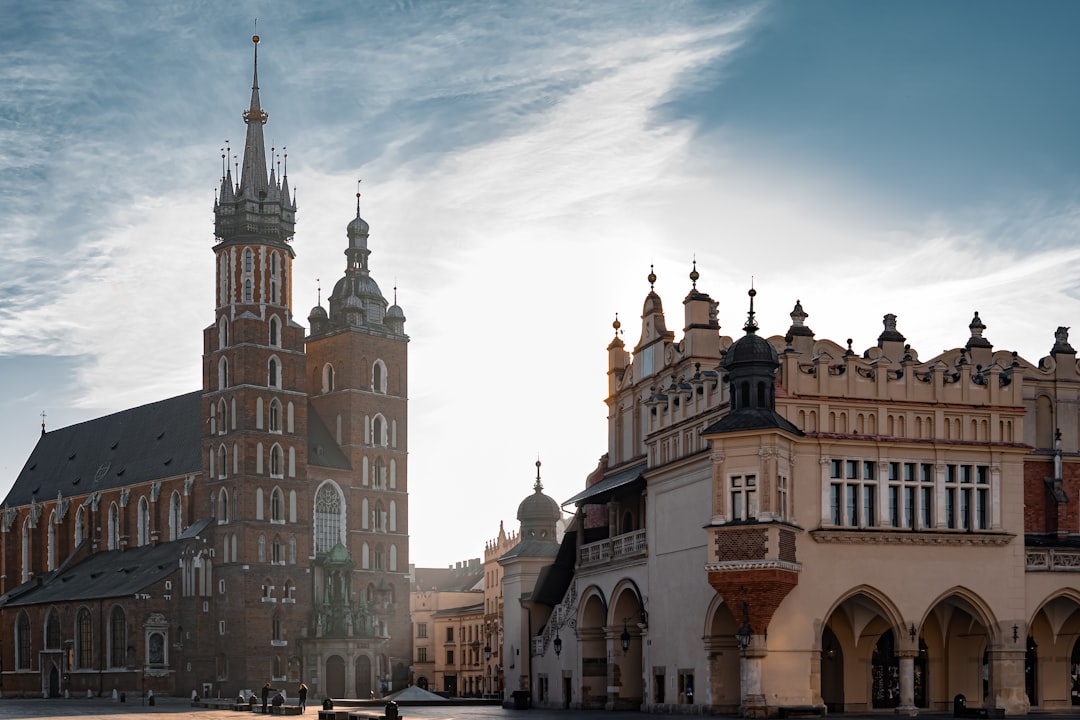
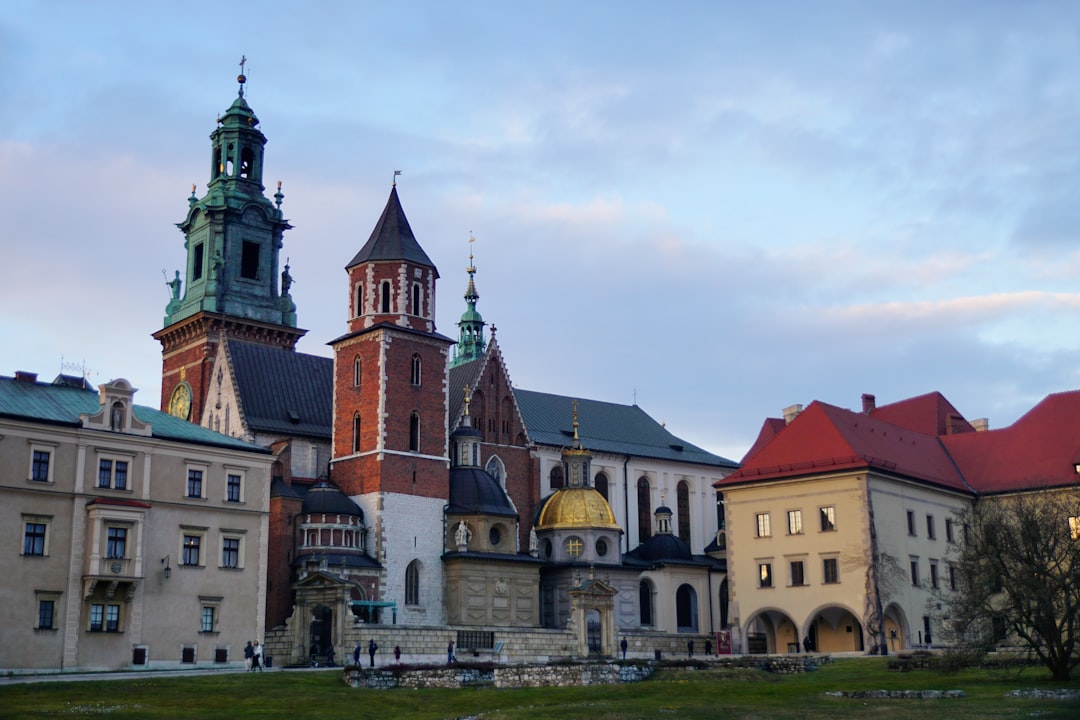
Climbing the Wawel Hill means walking on a layer of overlapping centuries. The Cathedral of Saints Stanislaus and Wenceslaus — this is the full name of the Wawel Cathedral — stands at the top of the hill that overlooks the course of the Vistula River, and the first thing that strikes the visitor is the chaotic and fascinating mix of architectural styles: Gothic towers alongside golden Renaissance domes, Baroque chapels sprouting from the sides of the nave like gems set in the body of a building that has grown for over a thousand years.
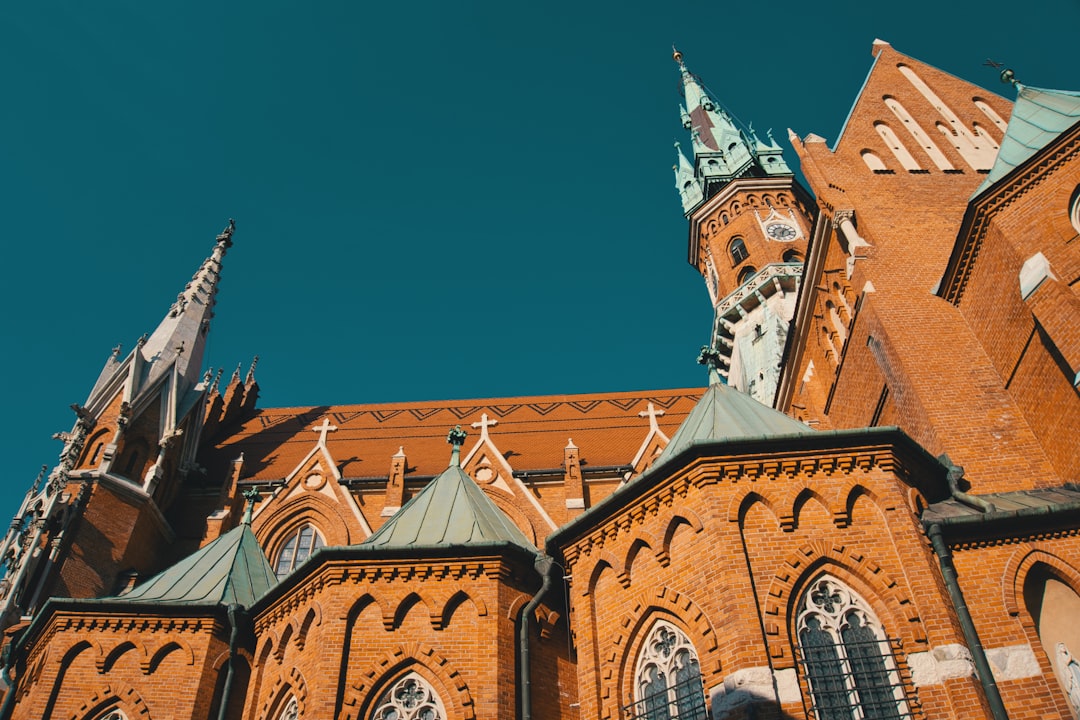
The cathedral we see today is the third structure erected on this site: the first two Romanesque buildings date back to the 11th and 12th centuries, respectively. The current building was begun in 1320 in Gothic style and consecrated in 1364, during the reign of Casimir III the Great. From that moment on, every Polish dynasty has left a visible mark on the walls, floors, and side chapels, transforming the cathedral into a three-dimensional archive of national history.
The Sigismondo Chapel: a masterpiece of the Renaissance
Among all the architectural additions, one stands out for its absolute quality: the Sigismondo Chapel, built between 1519 and 1533 according to the design of the Florentine architect Bartolomeo Berrecci. The golden dome that crowns it is considered by art historians to be one of the purest examples of Renaissance architecture outside of Italy. Commissioned by Sigismondo I the Elder as a mausoleum for himself and his family, the chapel houses red marble sarcophagi from Hungary decorated with extraordinarily fine bas-reliefs.
Inside, light filters in a particular way through the side windows, illuminating the walls covered in white marble and the details in carved sandstone. It is one of those rare spaces where the proportion between height, width, and decoration seems perfectly calibrated. It is worth stopping for a few minutes in silence here, even when the cathedral is crowded.
The tombs of kings and national symbols
The cathedral houses the tombs of almost all Polish kings from the 14th to the 17th century, as well as those of national figures such as the poet Adam Mickiewicz and the general Józef Piłsudski, the leader who in 1918 led Poland to independence after over a century of partitions. The royal crypt extends beneath the main nave and is open to visitors: the sarcophagi are arranged in vaulted chambers, some in marble, others in stone, with inscriptions in Latin and Polish.
Particularly touching is the tomb of Jan III Sobieski, the king who in 1683 led the Christian coalition in the Battle of Vienna against the Ottoman army. The sarcophagus is adorned with military symbols and the name is engraved in large letters, as if to emphasize a debt that all of Europe has never fully acknowledged.
The Sigismund Tower and the largest bell in Poland
Climbing the Sigismund Tower requires tackling a steep and narrow wooden staircase, but the effort is greatly rewarded. At the top is the Sigismund Bell, cast in 1520 and with a diameter of about 2.5 meters and an estimated weight of over 11 tons: it is the largest bell in Poland and is only rung on exceptional occasions — national holidays, state funerals, papal visits. Touching the clapper with the left hand brings good luck, according to local tradition, and many visitors can be seen doing just that.
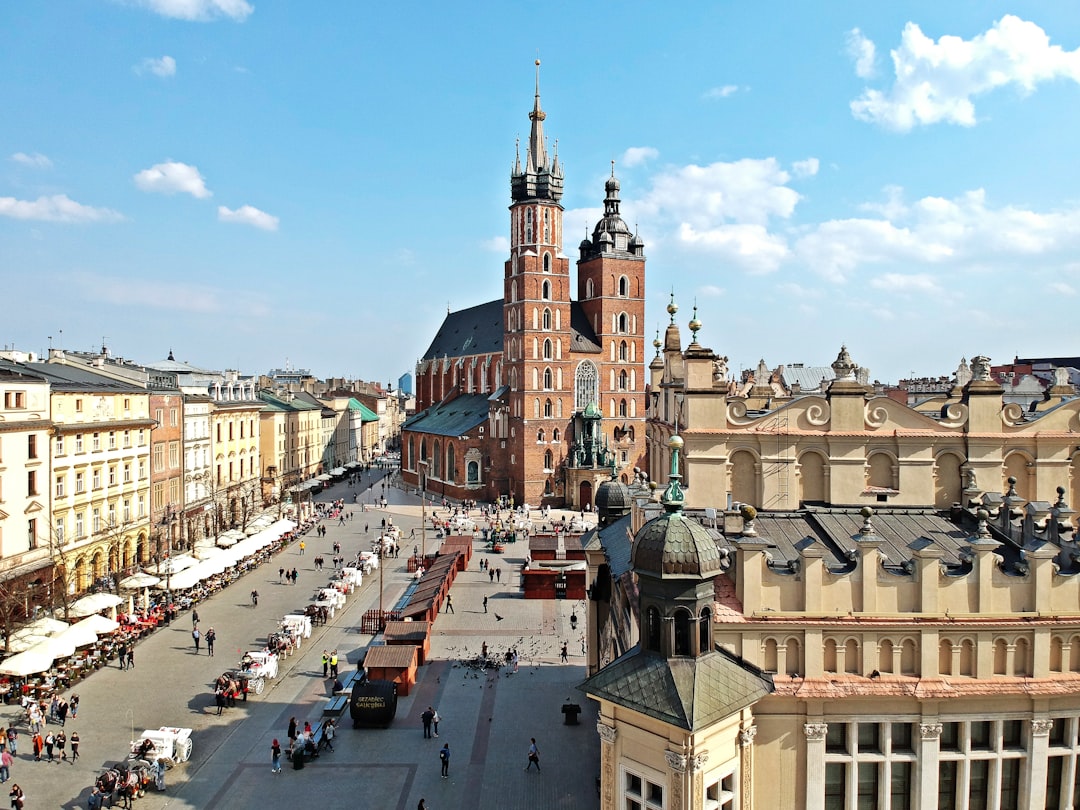
From the tower, there is also a panoramic view of the city of Krakow, with the rooftops of the historic center, the Vistula River flowing east, and, on clear days, the silhouettes of the hills to the south.
Practical tips for the visit
The cathedral is located within the Wawel Castle complex, reachable on foot from the historic center of Krakow in about 15 minutes by walking up the hill from Grodzka Street. Entrance to the main nave of the cathedral is free, but to access the royal crypt, the Sigismund Chapel, and the Sigismund Tower, a separate ticket must be purchased, which costs around 12-18 zloty for the different sections.
The best time to visit is early in the morning, between 9:00 and 10:30, before organized groups arrive. On Sunday mornings, the cathedral is often closed to tourists until the end of the mass, so it is advisable to check the updated hours on the official castle website. Allow at least 90 minutes for a complete visit that includes the crypt and tower, which is a realistic estimate, even for those who do not linger on every detail.