




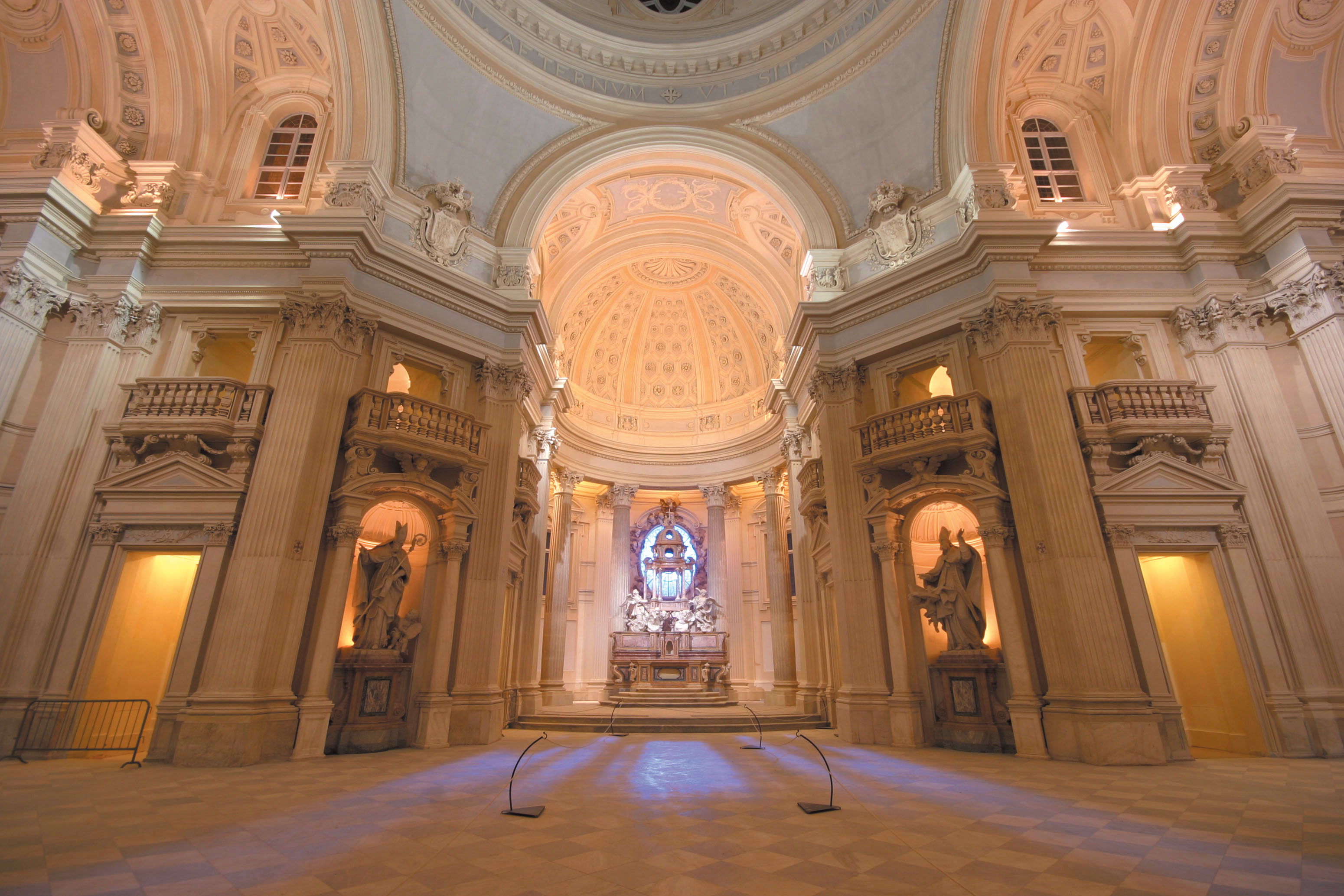
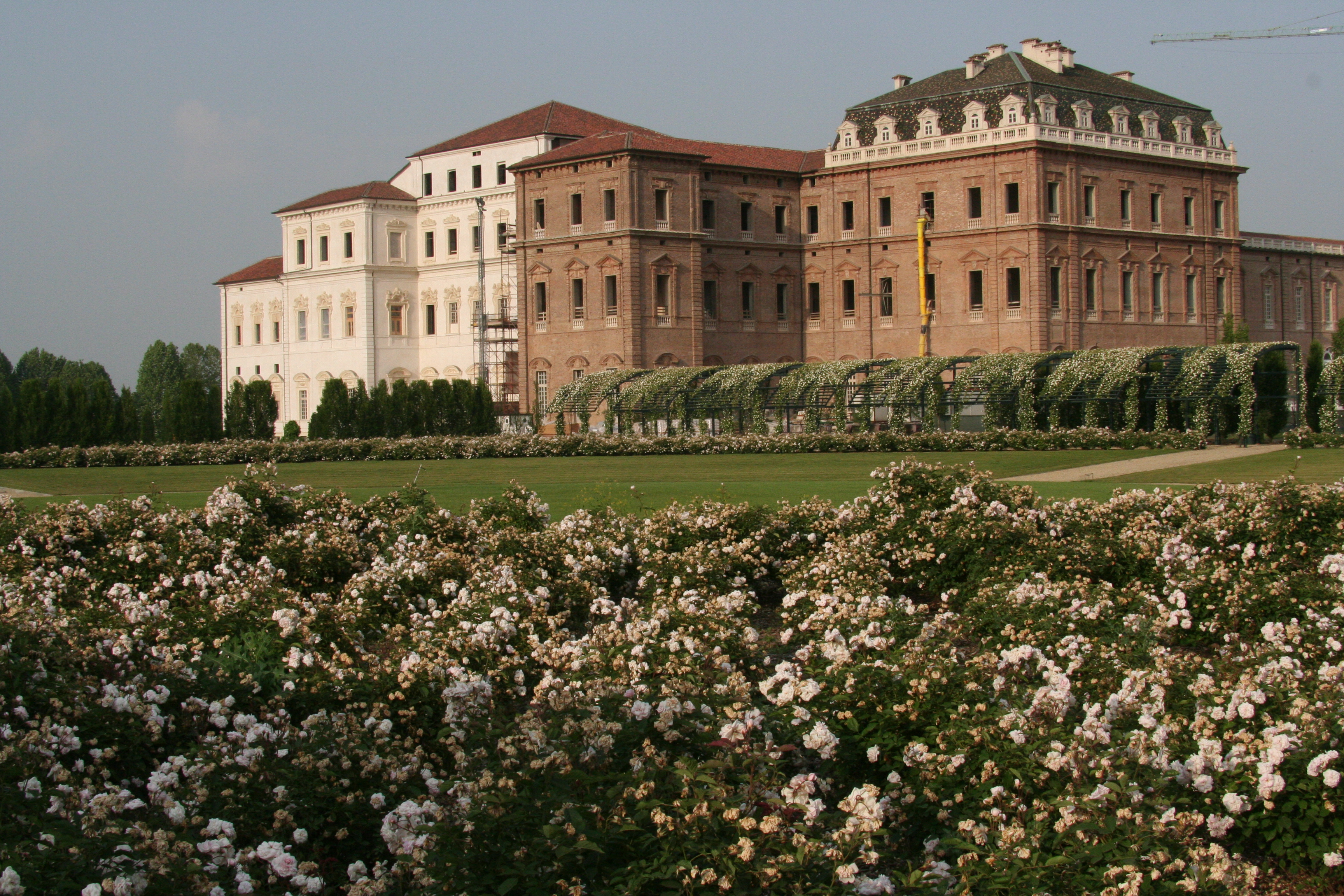
It is an environmental-architectural complex of great charm, an immense, varied and evocative space. After a long restoration, which has given rise to the largest building site in Europe, the Reggia di Venaria and the Royal Gardens were reopened to the public in 2007.
It was Charles Emmanuel II, in 1660, who chose the location of the Residence for hunting and started its construction. For the leisure function it was intended for, the Castle in fact needed a vast surrounding environment and to be close to Turin to satisfy the needs of the Court.
The current layout substantially reflects Amedeo di Castellamonte's original design. In the 18th century, the architecture of the castle became a model for other European Courts.
The enlargement of the Palace, started by Michelangelo Garove after the destruction of some buildings by the French troops, continued in 1716 with Filippo Juvarra.
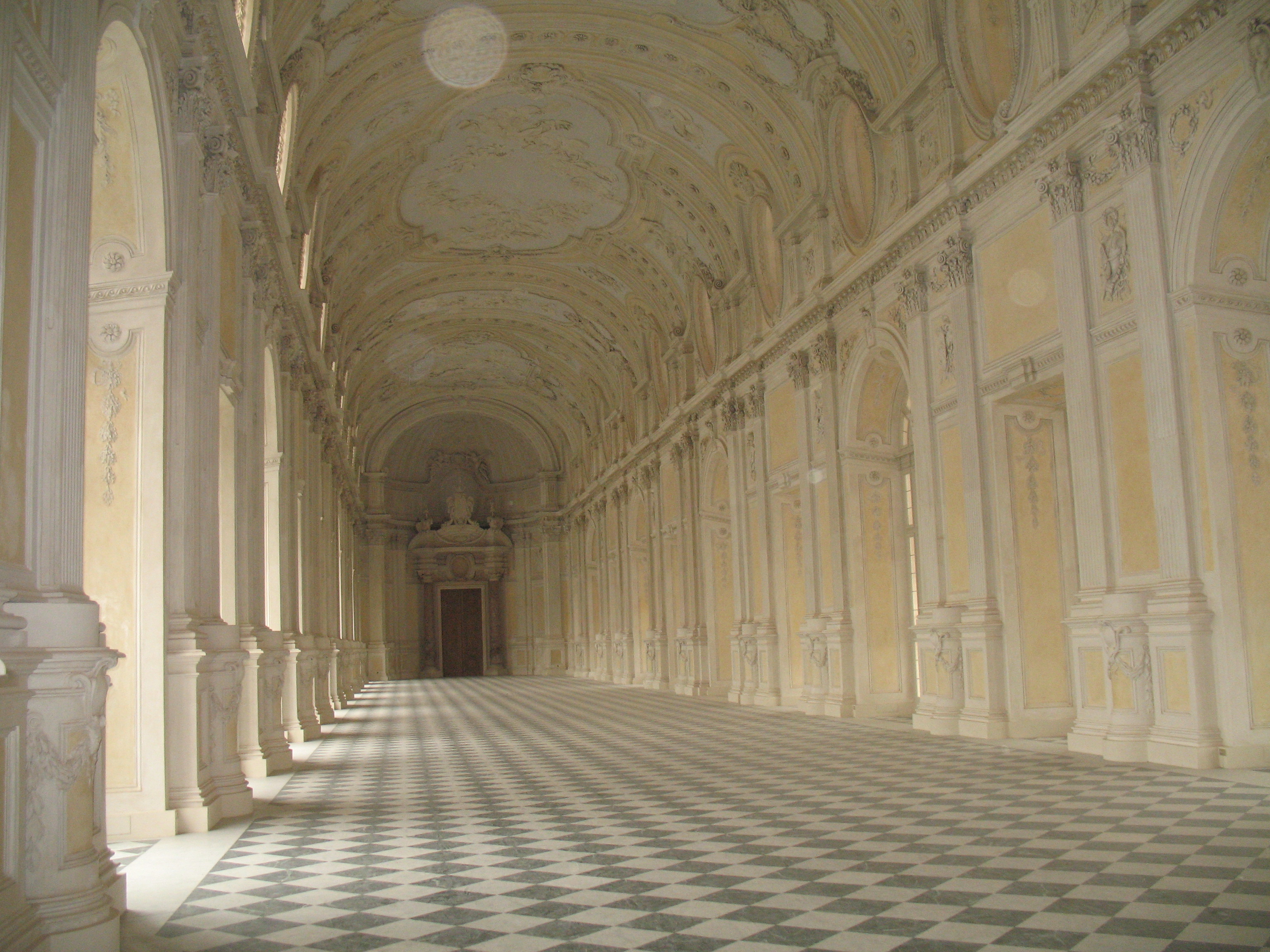
The architect remodeled the design, realizing the Great Gallery (called of Diana), the most fascinating place of the Reggia, the apartments in the pavilion on the Borgo side and the Chapel of Sant'Uberto, dedicated to the patron saint of hunters.
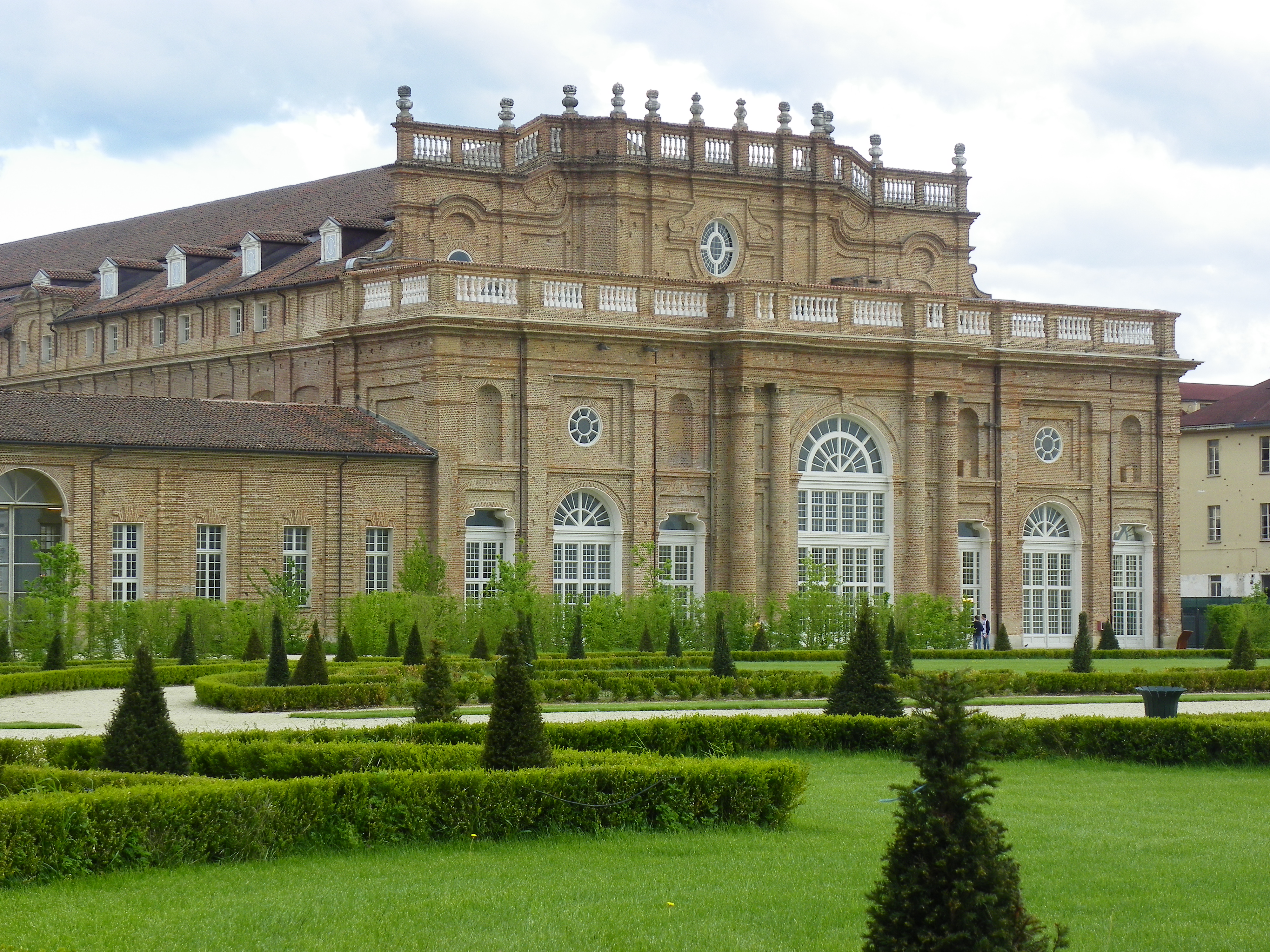
The Citroniera and the Scuderia Grande were then built in the south-eastern area and the gardens and the park were redesigned by Henry Duparc, following French models. In the second half of the eighteenth century, Carlo Emanuele III entrusted Benedetto Alfieri with new completion works which involved the Stables, the Riding School and the Gallery connecting the Chapel and the Citroniera.
The decadence phase of the Reggia dates back to the beginning of the 19th century when the Palazzina di Caccia di Stupinigi was preferred.
After the Congress of Vienna, it was used as barracks and the Juvarra's gallery became a stable for horses. The final degradation was completed by the intervention of German troops during the Second World War and numerous acts of vandalism.
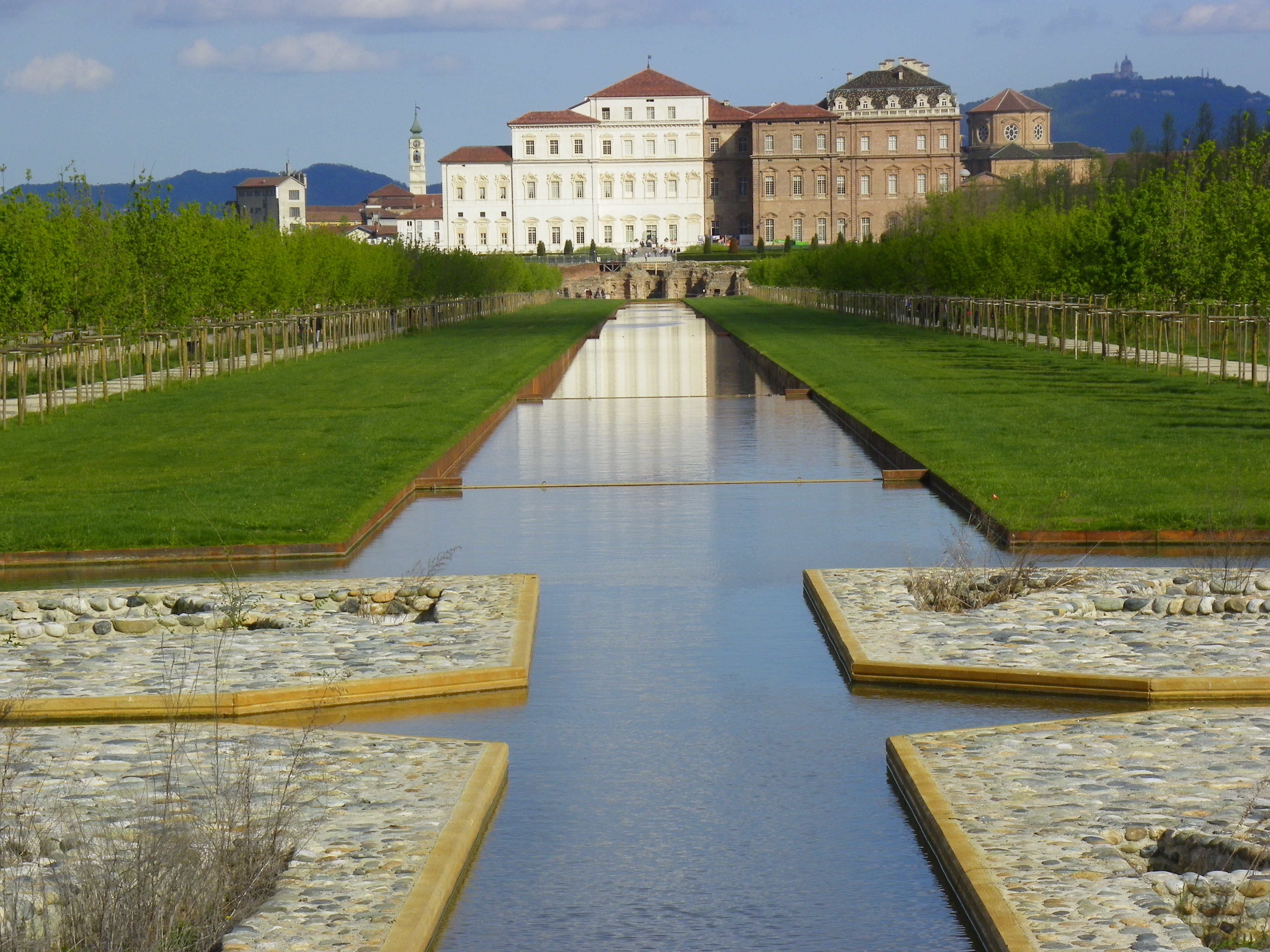
In the magnificent royal gardens was recovered the area of the Great Fishpond in the Lower Park, about five hectares where they were placed the works of contemporary artist Giuseppe Penone.
The installations are inserted in the Garden as in a museum, with exhibition rooms delimited by rows of lime trees and birch trees. In the gardens you can also admire the seventeenth-century remains of the Fountain of Hercules and the Temple of Diana, the spaces of the English Garden and the area of the Boschetto.
Around the Reggia is the Parco della Mandria, 3,600 hectares of land that the Savoy family surrounded with a 35-kilometer-long wall. The Park represents one of the major environmental protection realities in Italy and is home to various species of wild animals. Inside the park there are also some historical buildings, the most important of which is the complex of Borgo Castello where there are the Royal Apartments where Vittorio Emanuele II stayed with Rosa Vercellana, popularly known as "la Bela Rosin".