




← Back

Faenza | Duomo

Via Pietro Barilotti, 48018 Faenza RA, Italia ★★★★☆ 177 views
Jackeline Gross
Faenza
🏆 AI Trip Planner 2026

Get the free app

Discover the best of Faenza with Secret World — the AI trip planner with 1M+ destinations. Get personalized itineraries, hidden gems and local tips. Free on iOS & Android.

🧠 AI Itineraries 🎒 Trip Toolkit 🎮 KnowWhere Game 🎧 Audio Guides 📹 Videos
Scan to download iOS / Android
Scan for AppGallery Huawei users

About Faenza | Duomo

Faenza | Duomo - Faenza | Secret World Trip Planner

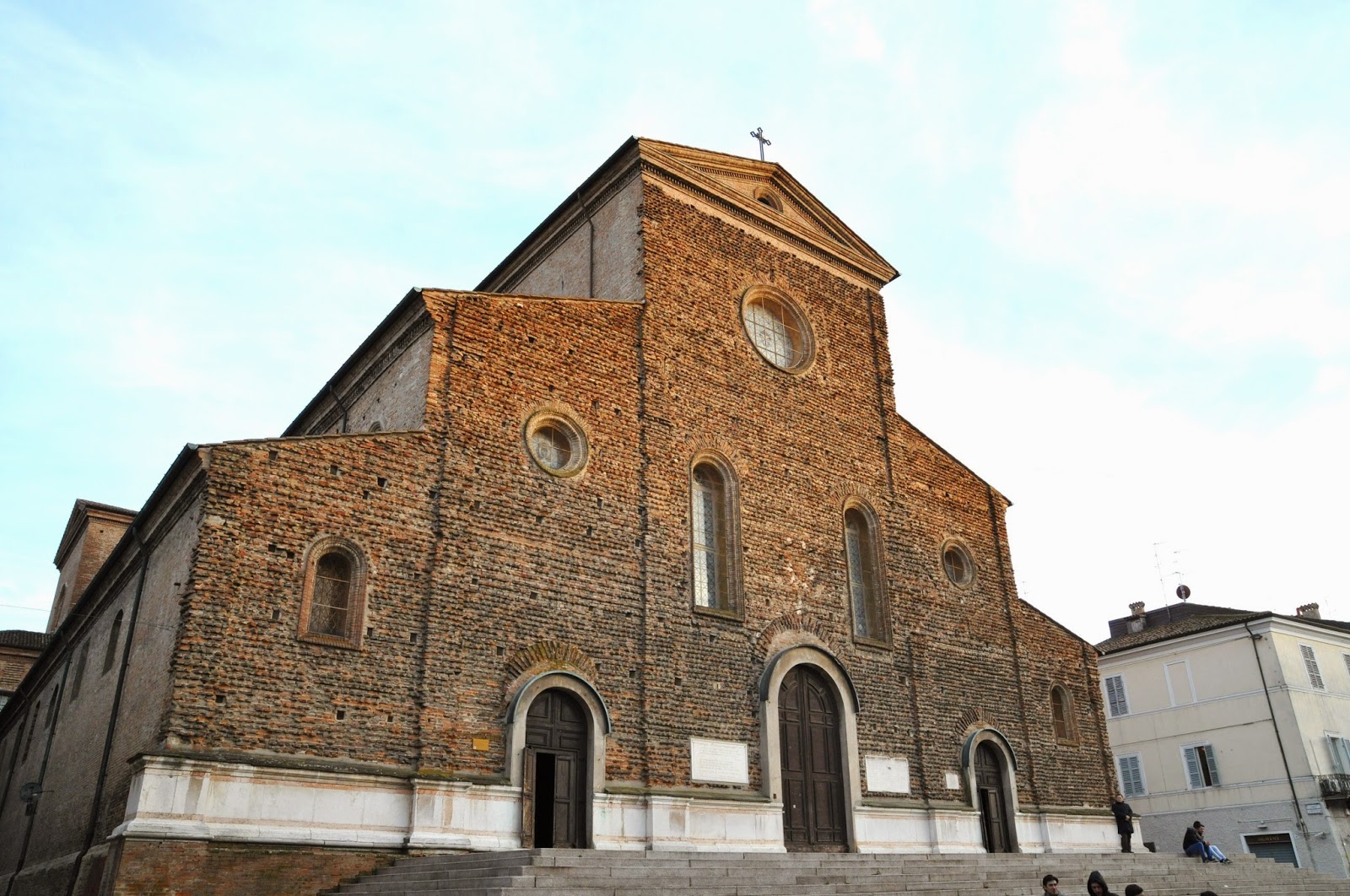
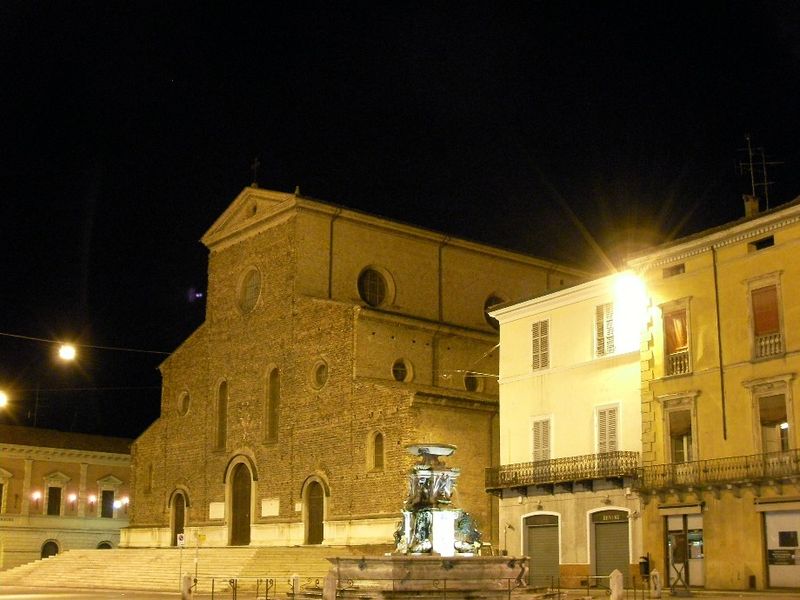
The present cathedral, dedicated to St. Peter, was built between 1474 and 1520 on a pre-existing cathedral of which little is known and of which, in any case, nothing remains except reused stone elements in the outer sides. The building site for the construction of Faenza's highest religious building was long, complex and tormented: the architect was the Florentine Giuliano da Maiano, a trusted architect of the Manfredi "sent" to Faenza by the Medici as part of the diplomatic and cultural relations that existed between the two seignories. Giuliano translated here Brunelleschian Renaissance models (see the most obvious reference that è the San Lorenzo in Florence) but reinterpreted them with "modi padani" to which local workers surely contributed-even beyond the architect's intentions. The façade, in warm unfinished brickwork (toothed bricks) è unfinished and it is not known what the facing should have been: the one visible today, in white limestone limited to the basal band, was arbitrarily begun later, when Giuliano had already left the site. The initial maianeo project certainly also provided for more lighting than the current one, which was partially mortified by the occlusion of some of the side openings of the first order due to altars, altarpieces and artwork not planned by Julian. Because of its importance (which in the context of the Renaissance è is unique at the regional level, with the only counterpart being the Malatesta Temple in Rimini) and its complexity, it is advisable to visit this monument with enough time available and with the help of a guidebook (at the limit even with the essential but useful one available at the counter in front of the entrance): all the side chapels contain works of art, sometimes of capital importance. In any case, do not overlook the three most important sculptural monuments, namely the arches of S. Savino, S. Emiliano and S.Terenzio, respectively by Benedetto da Maiano and anonymous Tuscan Renaissance masters, then the touching wooden crucifix carved at the end of the 15th century by an unknown Nordic sculptor, possibly German, and finally the Pala Bonaccorsi, an exquisite 16th-century panel painted by Innocenzo Francucci da Imola and still provided with its original gilded and carved frame. It is also recalled that St. Pier Damiano is buried in the cathedral è in the chapel of the same name on the left flank.

Faenza | Duomo - Faenza | Secret World Trip Planner
🗺 L'app dei tesori italiani

Plan your visit to Faenza

Suggested itinerary near Faenza | Duomo

MAJ+
500.000+ travelers worldwide
  1. 🌅
    Morning
    Faenza | Duomo
    📍 Faenza
  2. ☀️
    Afternoon
    Museum of the Risorgimento and the contemporary age in Faenza
    📍 0.1 km · Faenza
  3. 🌆
    Evening
    National Museum of the Neoclassical Age in Romagna
    📍 0.5 km · Faenza

Buy Unique Travel Experiences

Powered by Viator

See more on Viator.com

Explore nearby · Faenza

Frequently Asked Questions

The cathedral was designed by Florentine architect Giuliano da Maiano and constructed between 1474 and 1520. Giuliano was sent to Faenza by the Medici as part of diplomatic and cultural relations, and he adapted Brunelleschian Renaissance models from Florence's San Lorenzo while incorporating local Padanian influences.
The facade in warm unfinished brickwork was never completed according to Giuliano da Maiano's original plans, as it is unknown what the final facing should have been. The white limestone band visible at the base was arbitrarily added later by others after Giuliano had already left the construction site.
The three most important sculptural monuments are the arches of S. Savino, S. Emiliano, and S. Terenzio, with works by renowned sculptor Benedetto da Maiano and anonymous Tuscan Renaissance artists. Additionally, all the side chapels contain significant works of art, though some lighting has been reduced by altars and altarpieces that weren't part of the original design.
It is advisable to visit with sufficient time available and ideally with a guidebook, as the cathedral's importance and complexity warrant thorough exploration. A useful guidebook is available at the counter near the entrance to help you appreciate the artistic treasures throughout the building.
The Faenza Duomo is considered unique at the regional level in terms of Renaissance importance, with only the Malatesta Temple in Rimini as a comparable counterpart. Its significance lies in how architect Giuliano da Maiano reinterpreted Florentine Renaissance models with local Padanian characteristics, creating a distinctive architectural landmark.