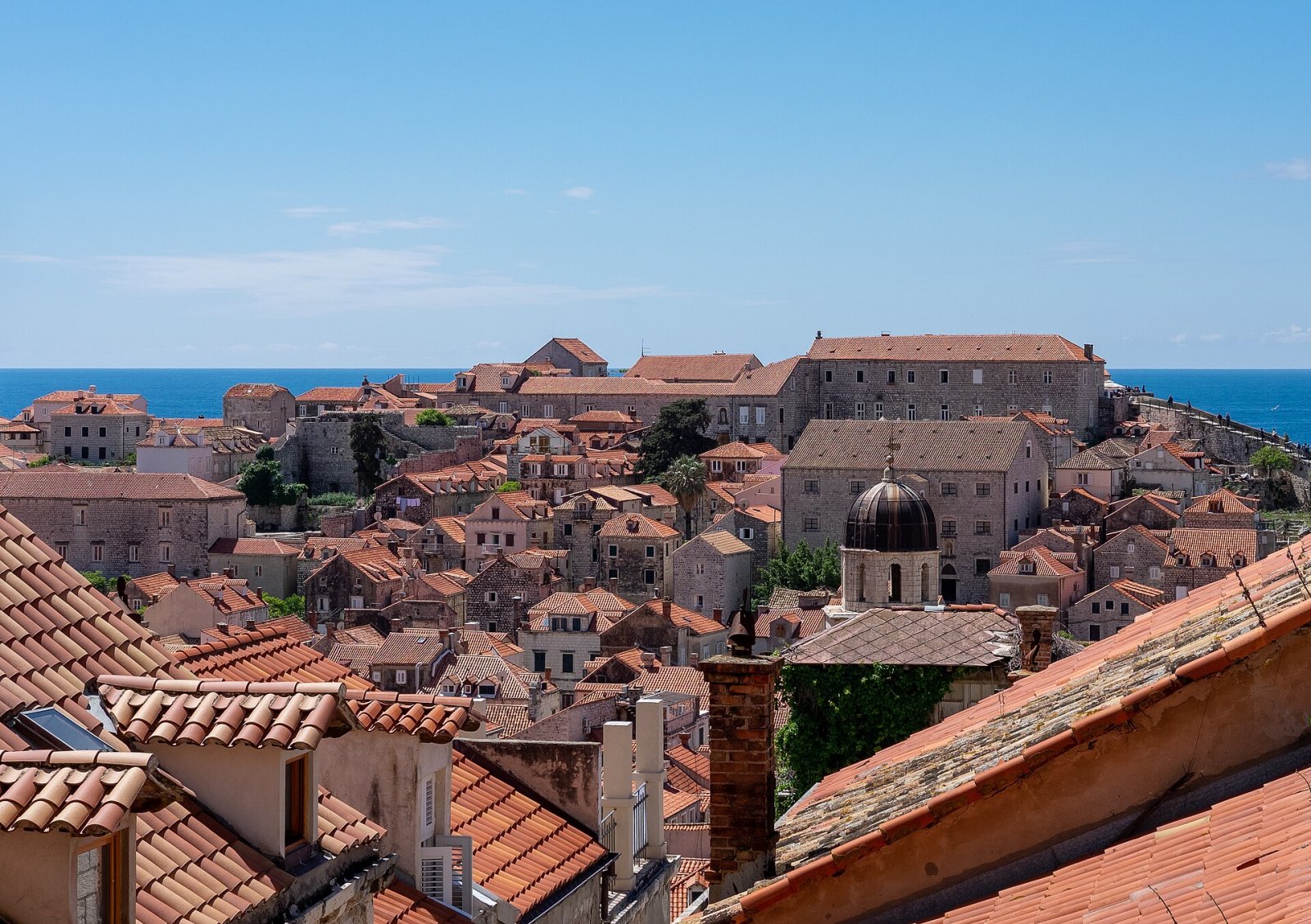

Located in one of the most fascinating regions of Croatia, the Monastery is a place that embodies the spirituality and history of the country. This monastic complex, set in breathtaking scenery, offers visitors a unique opportunity to explore monastic life and the cultural heritage of Croatia. Its strategic location, just steps away from natural and historical wonders, makes it a must-visit for those looking to delve into the spiritual and historical roots of the region.
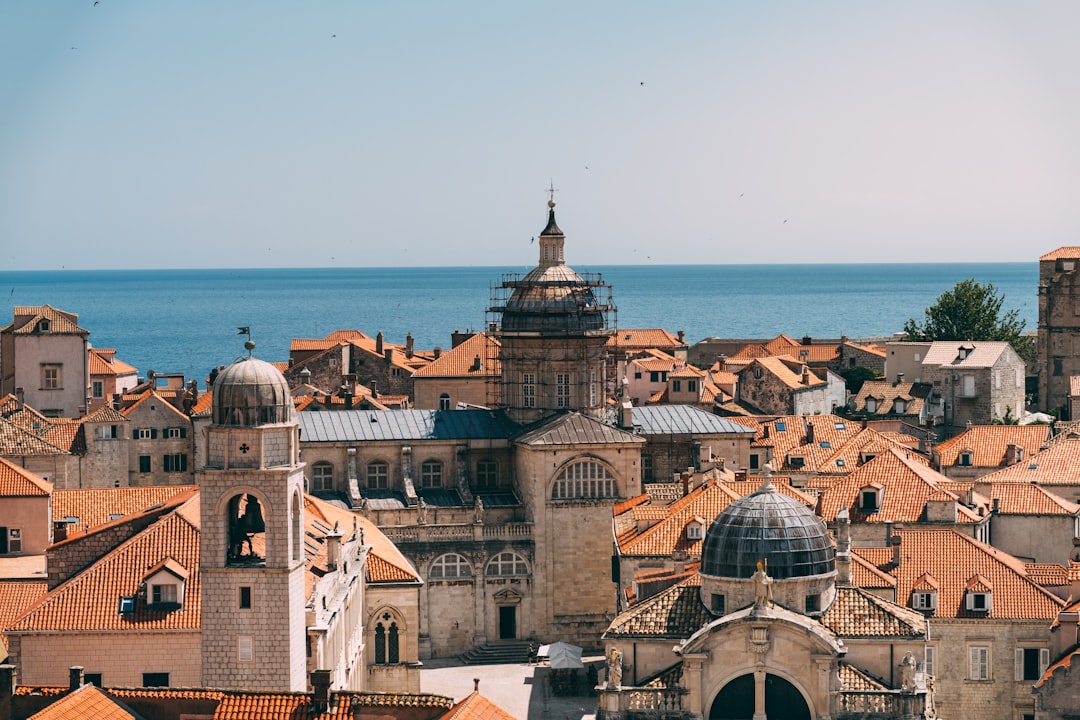
The Monastery is not only a place of worship but also a center for learning and reflection. Its architecture, which reflects centuries of traditions, tells stories of monks who dedicated their lives to prayer and service. This article will explore the history, architectural elements, and current significance of this fascinating site.
History and Origins
The Monastery, like many other religious buildings, has deep roots that trace back to medieval history. Although there are no specific details about its origins, it is evident that the site has played a crucial role in keeping alive the spiritual and cultural traditions of the local community. The presence of monks and nuns has contributed to the development of not only spirituality but also education and agriculture in the surrounding region, creating an unbreakable bond between the monastery and the territory.
Over the centuries, the Monastery has undergone various transformations, adapting to the needs of the community and external influences. These changes have led to an enrichment of the architectural heritage, which today represents a mix of styles and historical periods, making it a fascinating example of how history can shape a place of worship.