
← Back

Etruscan Necropolis of Sovana

58010 Sovana GR, Italia ★★★★☆ 144 views
Serena Baroni
Sovana
🏆 AI Trip Planner 2026

Get the free app

Discover the best of Sovana with Secret World — the AI trip planner with 1M+ destinations. Get personalized itineraries, hidden gems and local tips. Free on iOS & Android.

🧠 AI Itineraries 🎒 Trip Toolkit 🎮 KnowWhere Game 🎧 Audio Guides 📹 Videos
Scan to download iOS / Android
Scan for AppGallery Huawei users

About Etruscan Necropolis of Sovana

Etruscan Necropolis of Sovana - Sovana | Secret World Trip Planner

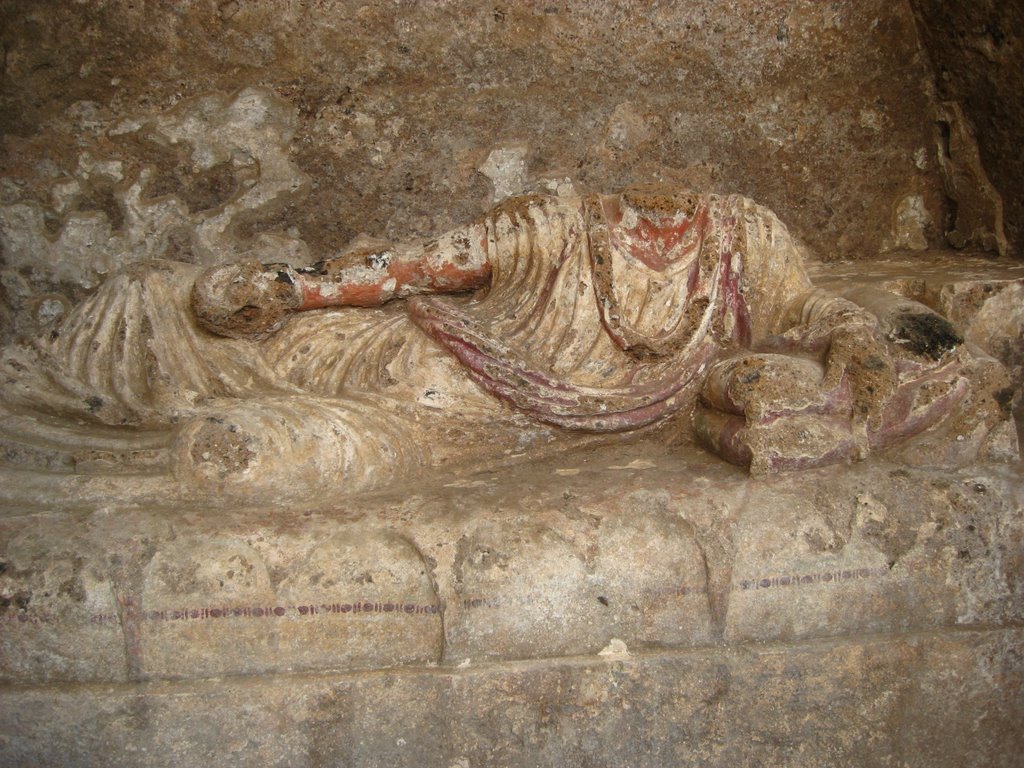
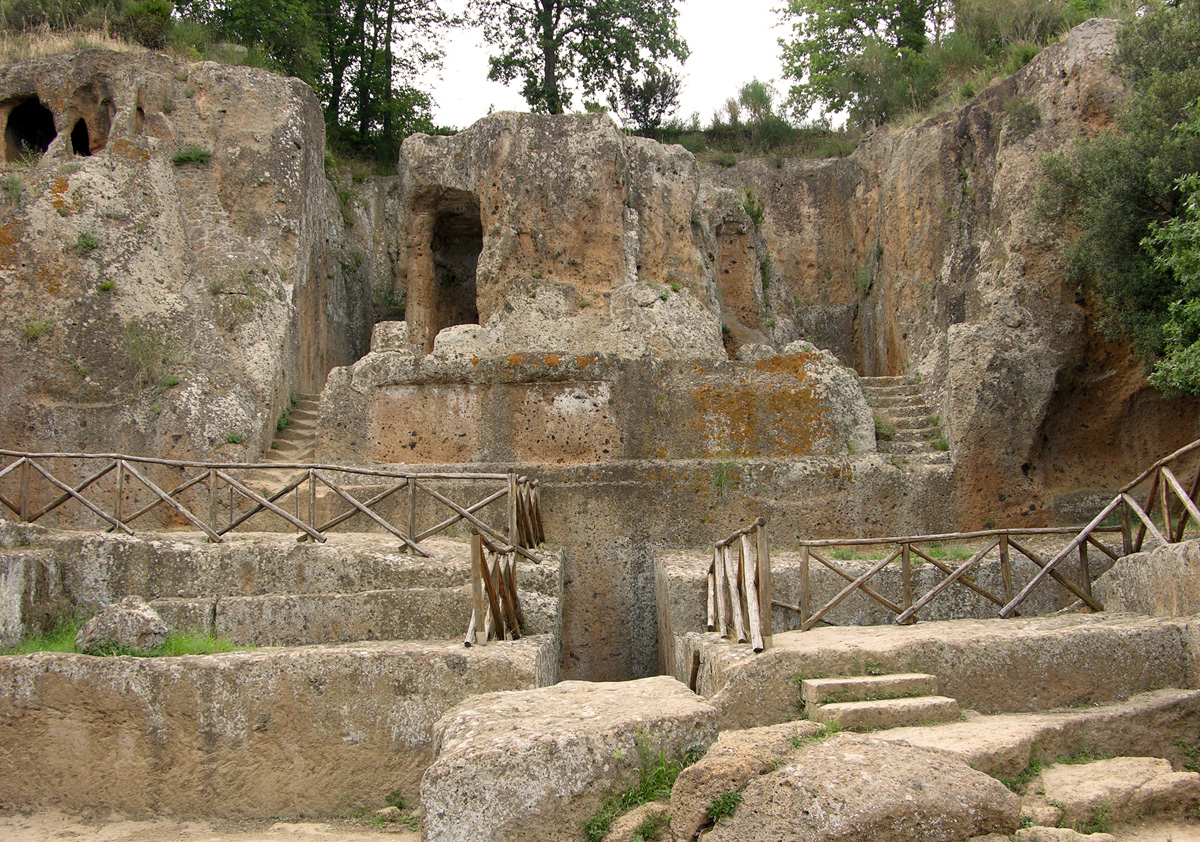
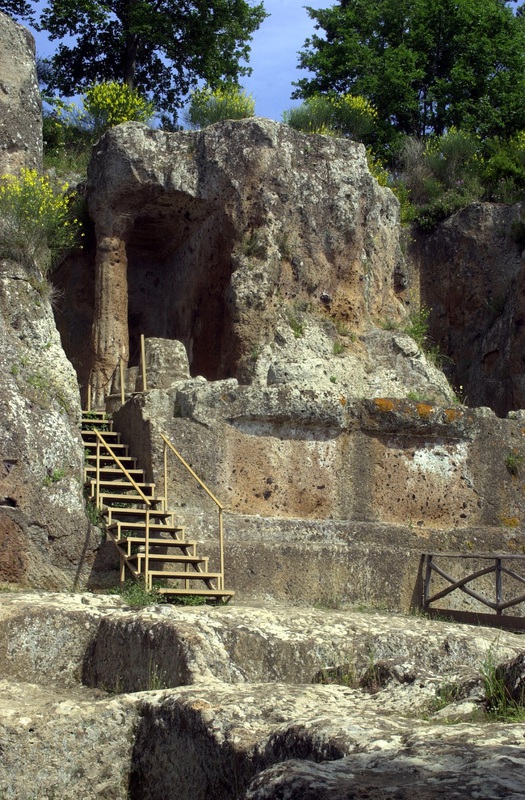
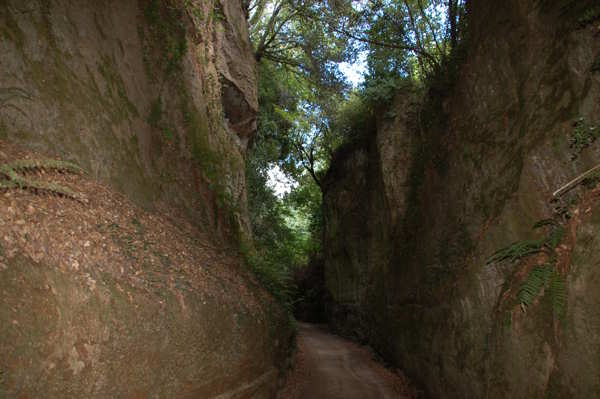
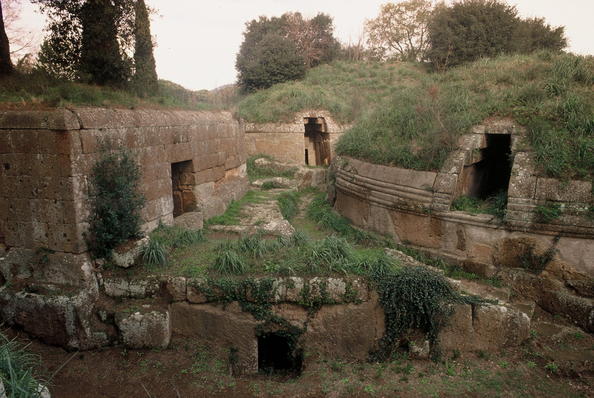
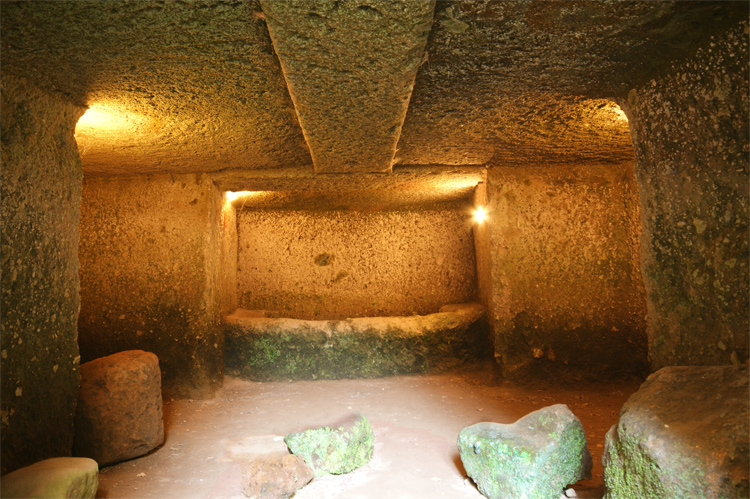
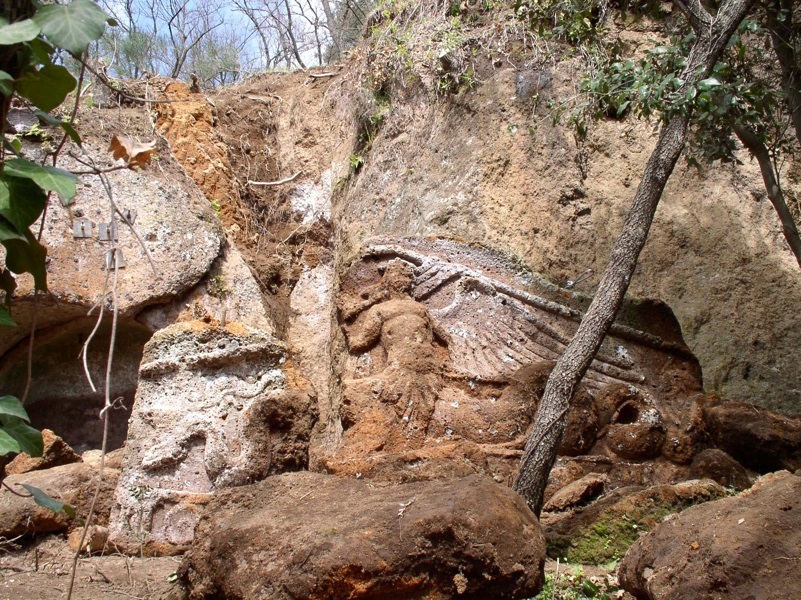
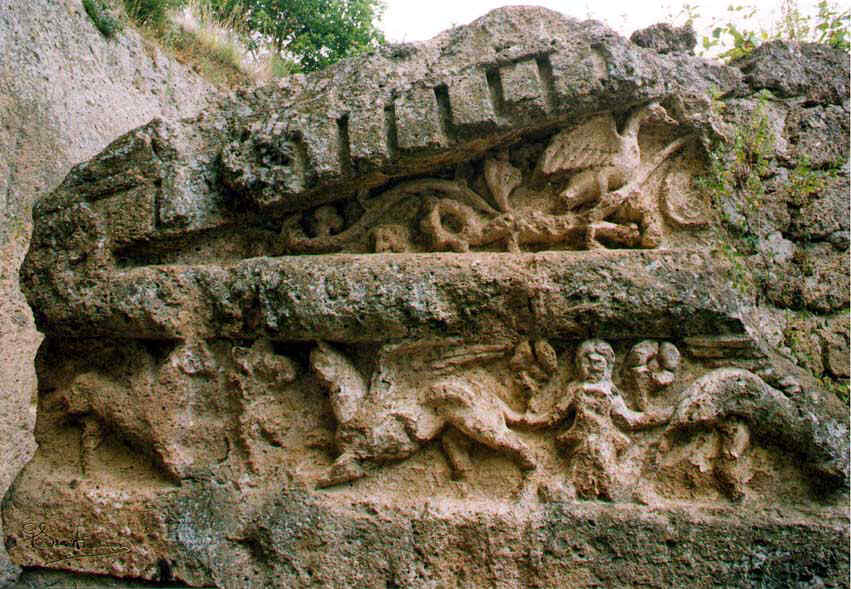
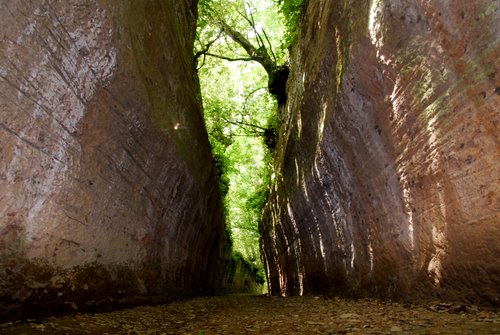
The large necropolis is certainly one of the most striking and important testimonies left to us by this fascinating population that developed before the great period of Rome's hegemony. The area of Sovana, not far from the Via Clodia, was identified in the territory bounded by the Via Aurelia and the Via Cassia, main arteries of communication to which the inland territory was connected by a series of roads and paths that followed the course of the Fiora River. Characteristic of the hilly area were and are the Vie Cave, roads of short length but entirely and deeply dug into the tufa, once used as communication routes between small settlements and often necropolises were located in their vicinity; today they offer visitors extraordinary environments of unspoiled naturalistic richness. The archaeological park extends almost everywhere throughout the Città del Tufo area, but it is in Sovana, thanks to its red tuff that is more resistant than others in the area, that the most important monumental tombs are found. Throughout the area, necropolises develop along the valleys carved by the many rivers and streams, exploiting the natural slope of the tuffaceous ridges. The tombs are referable to a population that resided in nearby Sovana between the 7th and 1st centuries B.C. The oldest tombs have simple shapes and numerous loculi, thought to be the tombs of people who lived in small villages devoted to pastoralism. The most artistic tombs are those made between the 3rd and 2nd centuries B.C. when Suana had acquired considerable economic dominance in the area. To be seen scattered throughout the necropolis are the Tomb of Ildebranda,the Tomb of the Typhon, The Hollow, the Tomb of Pholonia, the Tomb of the Columbars and the Tomb of the Silenus, the Pola Tomb, the Tomb of the Siren
Etruscan Necropolis of Sovana - Sovana | Secret World Trip Planner
🗺 L'app dei tesori italiani

Plan your visit to Sovana

Suggested itinerary near Etruscan Necropolis of Sovana

MAJ+
500.000+ travelers worldwide
  1. 🌅
    Morning
    Etruscan Necropolis of Sovana
    📍 Sovana
  2. ☀️
    Afternoon
    Museum of San Mamiliano
    📍 0.1 km · Sovana
  3. 🌆
    Evening
    The Etruscans and the ancient Vie Cave
    📍 0.8 km · Sovana

Buy Unique Travel Experiences

Powered by Viator

See more on Viator.com

Explore nearby · Sovana

Frequently Asked Questions

The Etruscan Necropolis of Sovana is one of the most significant archaeological testimonies left by the Etruscan civilization that thrived before Rome's dominance. Located in the Città del Tufo area near the Via Clodia, it features the most important monumental tombs in the region, built from red tuff that has proven more resistant to erosion than other materials in the area.
The tombs date from the 7th to 1st centuries B.C., with the oldest featuring simple shapes and numerous loculi, indicating they belonged to pastoral communities living in small villages. The most artistically sophisticated tombs were created between the 3rd and 2nd centuries B.C. when Sovana had achieved considerable economic dominance in the region.
The Vie Cave are characteristic roads of short length that are entirely and deeply carved into the tufa rock, originally serving as communication routes between small settlements and necropolises. Today they offer visitors extraordinary natural environments of unspoiled richness and provide a unique way to experience the ancient landscape as the Etruscans once did.
Key tombs to visit include the Tomb of Ildebranda, the Tomb of the Typhon, the Tomb of Pholonia, the Tomb of the Columbars, the Tomb of the Silenus, the Pola Tomb, the Tomb of the Siren, and The Hollow. These monumental structures are scattered throughout the necropolis and represent the finest examples of Etruscan funerary art and architecture.
Sovana is situated in the territory bounded by the Via Aurelia and Via Cassia, the main arteries of Roman communication, and is not far from the Via Clodia. The inland territory was connected to these major roads through a network of smaller roads and paths that followed the course of the Fiora River, making it an important crossroads in ancient times.