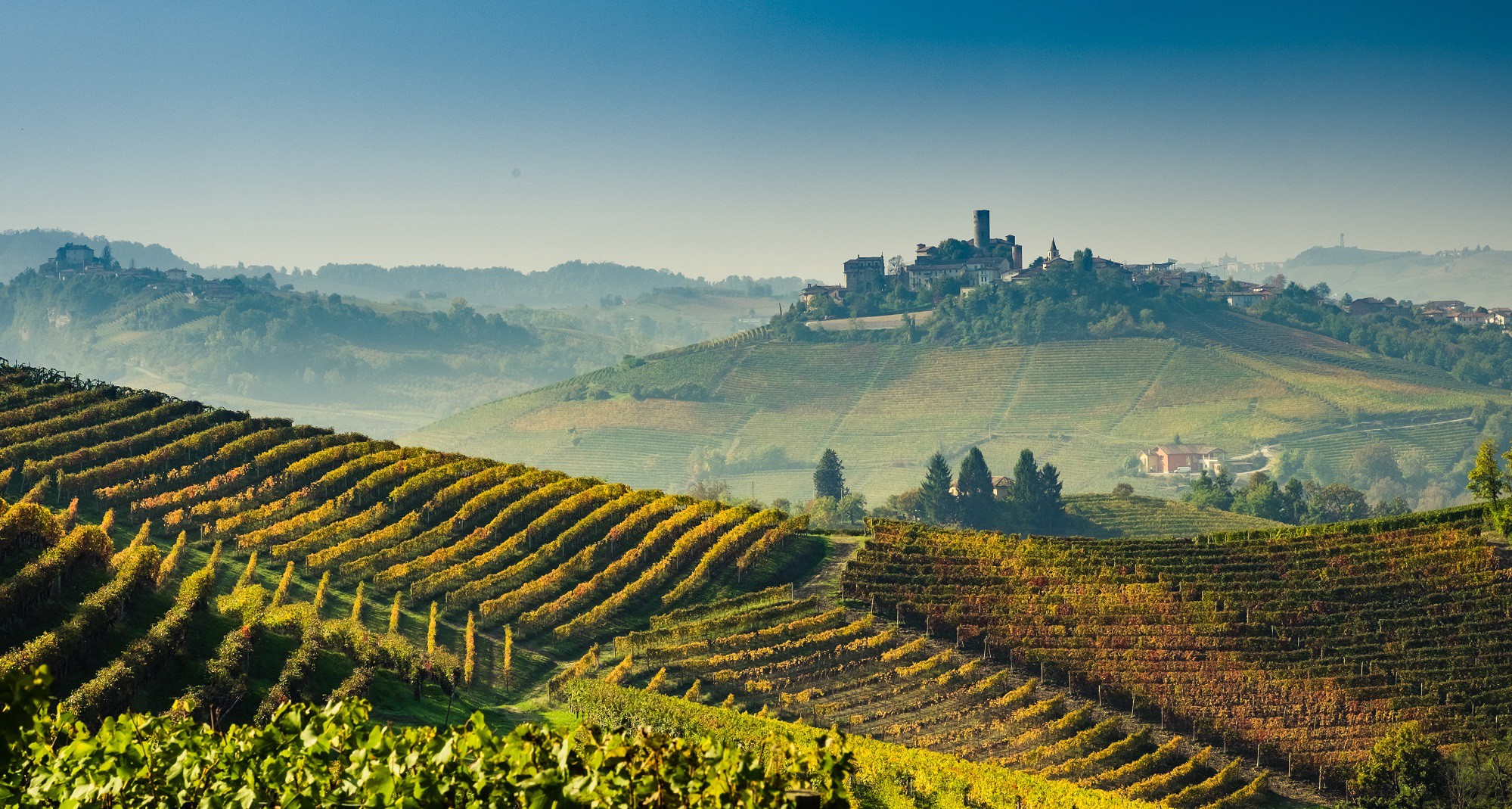

The name of the town derives, according to some sources, from the Celtic bas reul, "low place." After Roman rule, to which the earliest records of Barolo date, the town was subjected to the Lombards. Later it became part of the County of Alba and the March of Turin.
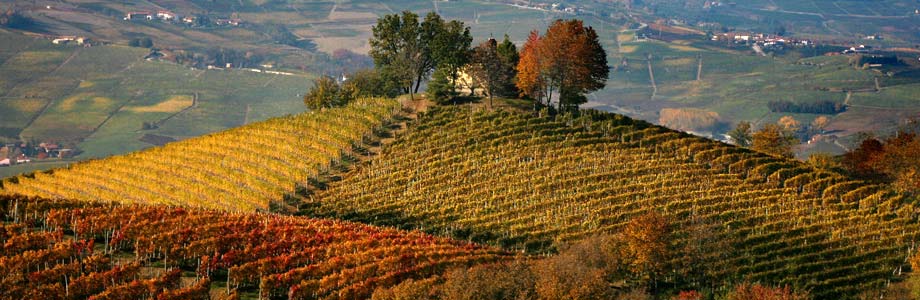
The core of the castle was erected at this time at the behest of Berengar I as a defensive garrison against Saracen invasions. In 1250 the town became the possession of the Falletti, a powerful banking family, and in 1486 it became part of the Monferrato State. After passing to the Savoys in 1631, Barolo became a county in the 1600s and, in 1730, a marquisate under Jerome IV.
The last marquise of Barolo, Giulia di Barolo, better known as Juliette Colbert, was an important figure in the history of Barolo: she founded the Opera Pia Barolo, oversaw, with the advice of the oenologist Oudart, the production of wine, and also entrusted Silvio Pellico with the position of librarian and secretary. he Falletti Municipal Castle is certainly Barolo's most important attraction.
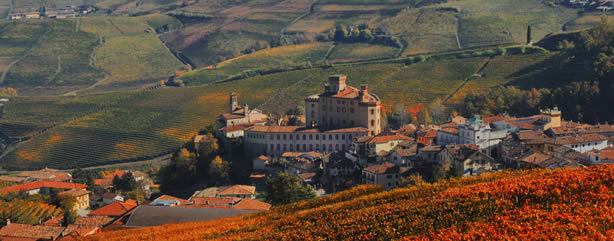
Besides being among the Open Castles of Lower Piedmont, Falletti Castle is also part of the group of 8 Doc Castles, which also includes the castles of Grinzane Cavour, Serralunga d'Alba, Govone, Magliano Alfieri, Roddi, Mango and Benevello.
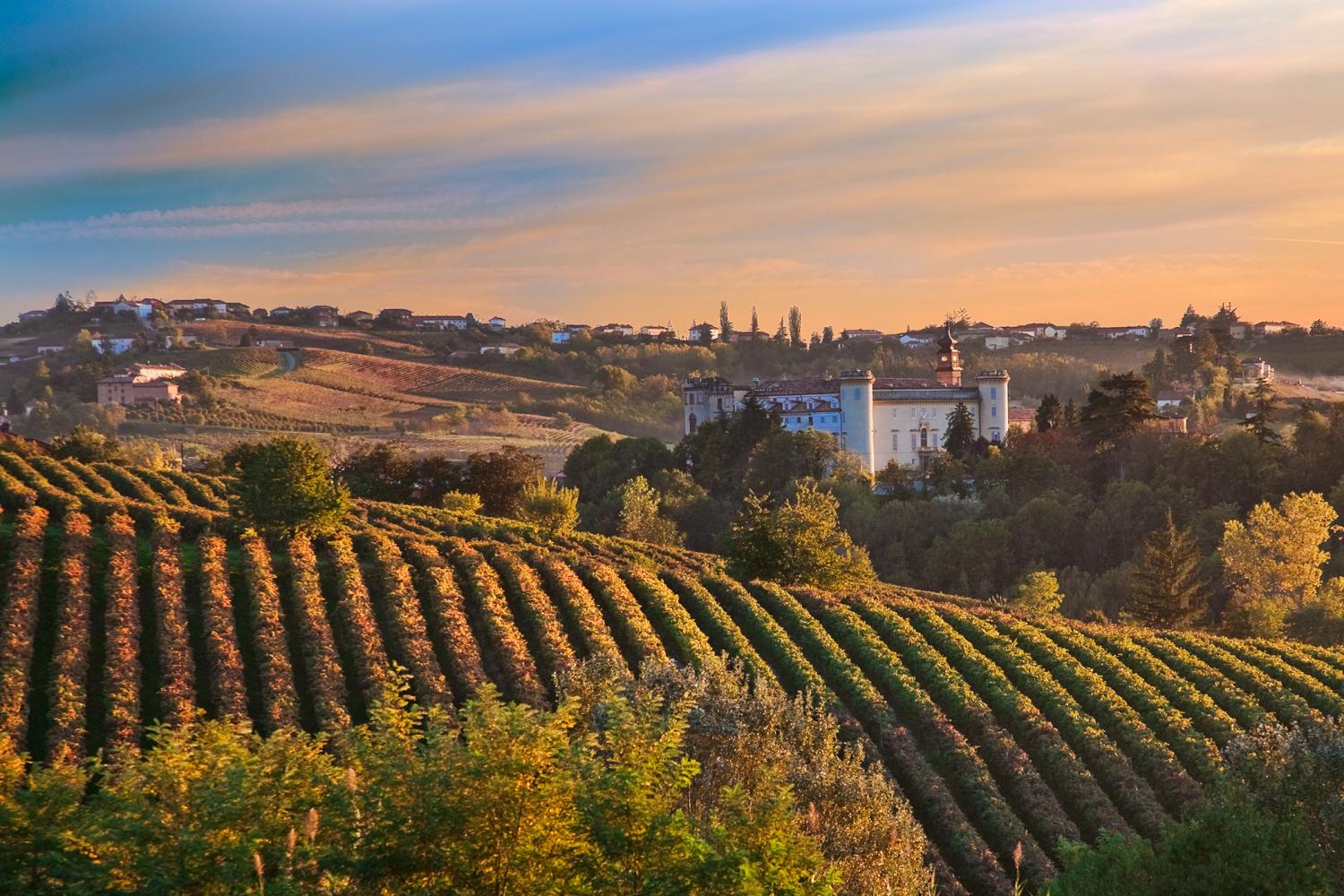
Built in the 10th century at the behest of feudal lord Berengarius I as a garrison against Hungarian and Saracen invasions, it became under the marquises of the Falletti family the family's country residence. With the death of the Colbert, the castle became the property of the Opera Pia Barolo, which subjected it to a massive renovation, following which it became the Collegio Barolo.
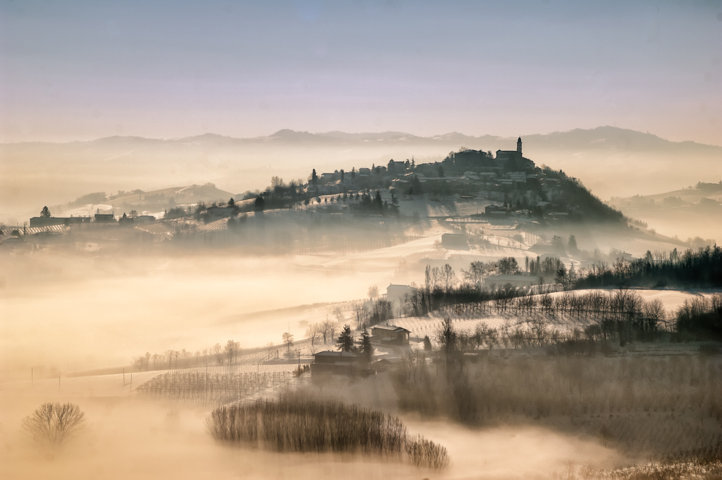
In 1970 it was purchased by the City of Barolo. Currently, the castle is often the site of important artistic and cultural exhibitions and events. The current building preserves only the keep from the original one; inside, in the ancient cellars, it houses the Enoteca Regionale del Barolo, where it is possible to retrace the history and the main places of production of the prestigious wine, the Ethnographic-Enological Museum and the Museum of Farming Civilization, which preserves original agricultural tools and furnishings.
Among the halls, we find, on the second floor, the main floor, the Hall of the Four Seasons, furnished in the Empire style, which takes its name from the four paintings in it, depicting each of the seasons of the year, and the Hall of Coats of Arms, the seat of the city council meetings. Here it is possible to admire decorations on the ceiling depicting the coats of arms of the Falletti family.
Also worth mentioning are the Marchesa's room, with an Empire-style bed, and Silvio Pellico's room, with walls painted to simulate cloth decorations.
Also among the rooms open to the public are the apartments where patriot Silvio Pellico, a friend of the Falletti family, lived, and the room that houses the Historical Library, which Pellico himself wanted and was appointed adviser and administrator of the library. About three thousand texts dating from the period between the 15th and 19th centuries are preserved here.