






Apulia, the enchanting heel of Italy, beckons with its rich history, stunning architecture, vibrant culture, and delectable cuisine. This southern region, known as Puglia in Italian, stretches along the sun-drenched Adriatic coast, offering a unique blend of ancient traditions and modern vitality. From the bustling streets of Bari, the capital, to the baroque splendor of Lecce, and the iconic trulli of Alberobello, Apulia's charm lies in its diversity.
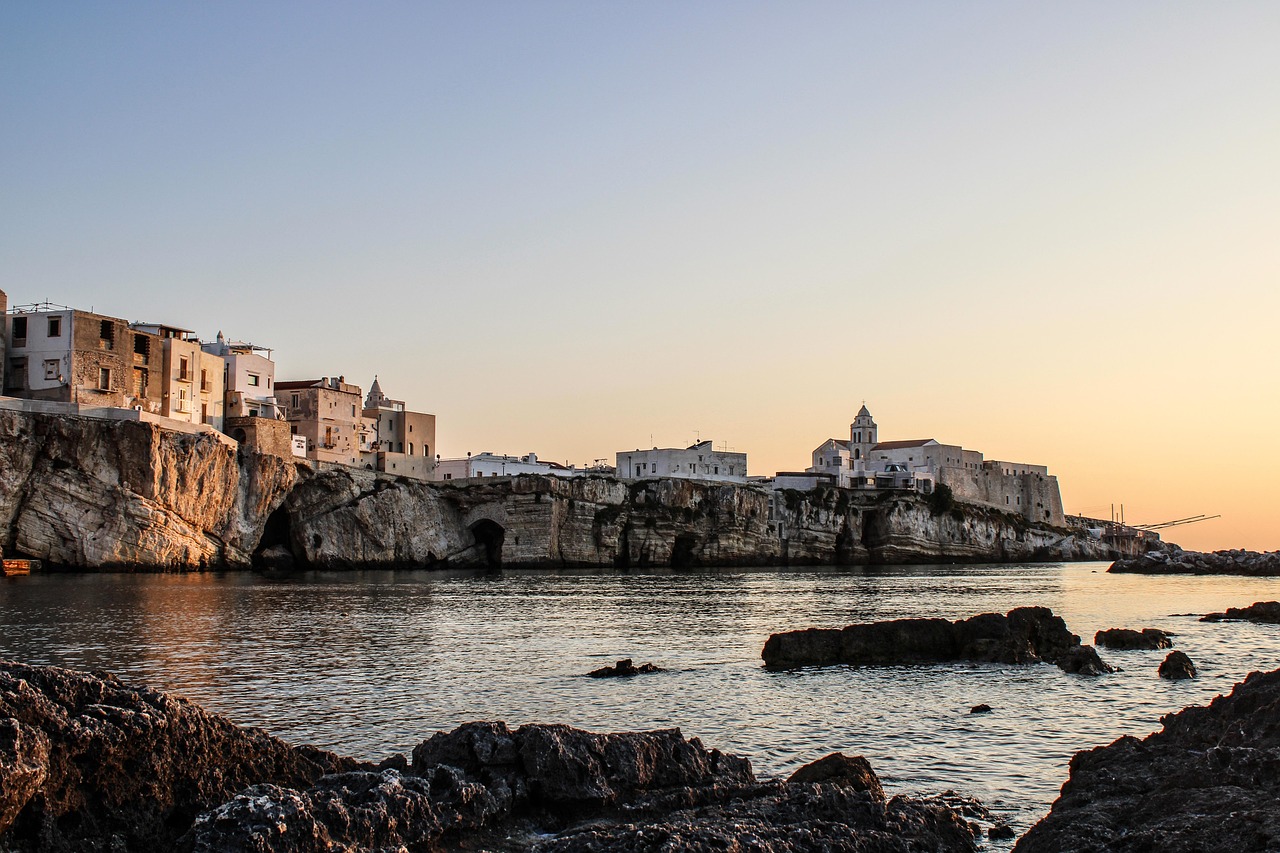
History and Origins Apulia's history is as rich as its landscapes. The region has been inhabited since prehistoric times, evidenced by ancient Neolithic artifacts found in the Grotte di Castellana. The strategic coastal position attracted numerous civilizations, including the Greeks, Romans, and Byzantines, each leaving an indelible mark. The Normans and Swabians established significant fortifications in the 11th and 12th centuries, while the Aragonese later influenced the architecture and culture, particularly in Taranto and Bari. Key historical events, such as the Battle of Cannae in 216 BC, further highlight Apulia's importance in ancient warfare.
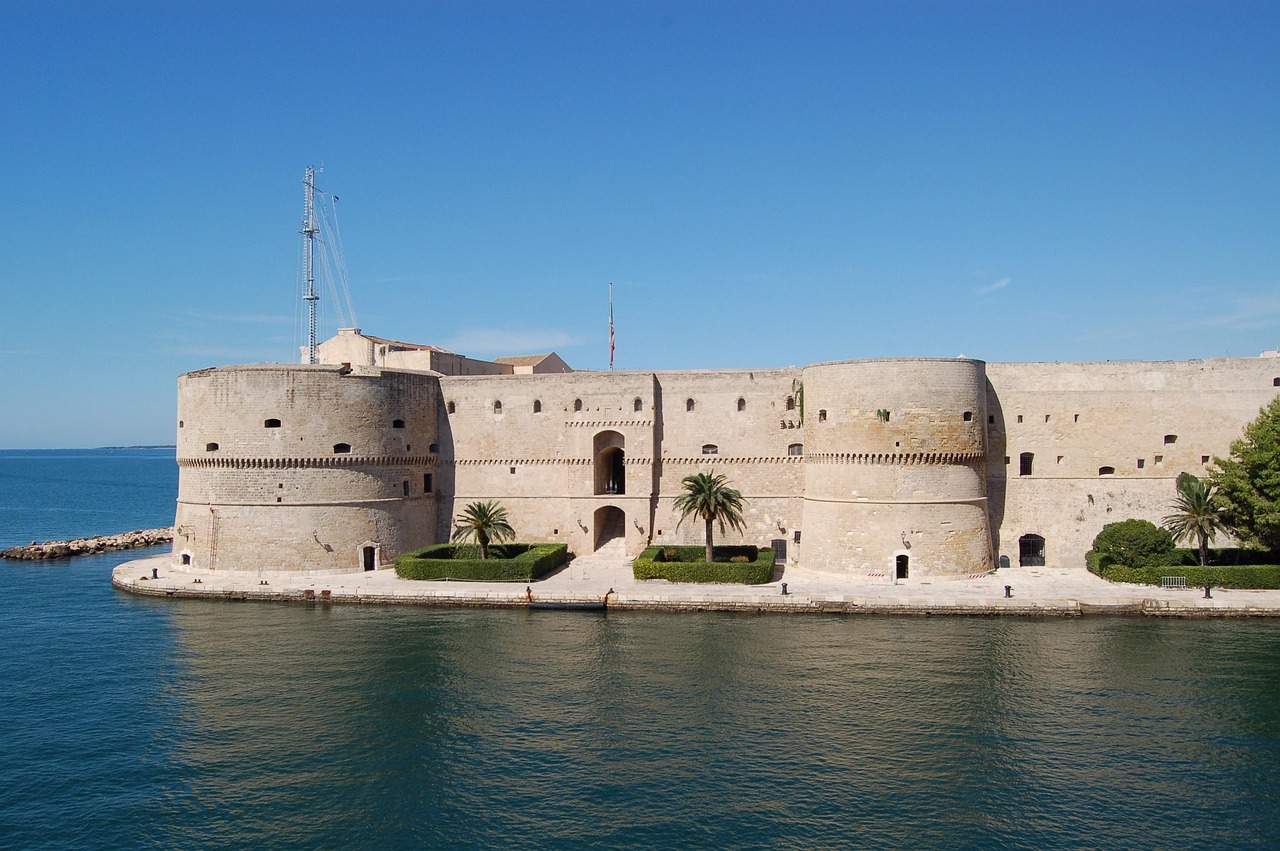
Art and Architecture The architectural styles in Apulia are a fascinating tapestry reflecting its tumultuous history. Lecce, often dubbed the “Florence of the South,” boasts exquisite baroque architecture, with the Basilica di Santa Croce as a prime example of elaborate stonework. The Roman amphitheater, dating back to the 2nd century AD, stands testament to the region's ancient heritage. The trulli of Alberobello, with their conical roofs and whitewashed walls, are a UNESCO World Heritage site and exemplify the unique rural architecture of the region. Visitors should not miss the Castello Aragonese in Taranto, a fortress that tells stories of maritime supremacy.
Local Culture and Traditions Apulia's vibrant culture is deeply rooted in its local customs and festivals. The Festa di San Nicola in Bari celebrates the patron saint with a grand procession and lively street fairs every May. Meanwhile, Lecce's Notte della Taranta in August is a spectacular folk music festival that highlights the traditional pizzica dance, a passionate expression of local spirit. The Palio di Taranto, a historical boat race, showcases the region's maritime heritage, while various food festivals celebrate local produce, especially olive oil and wines.
Gastronomy Apulia is a paradise for food lovers, known for its rich agricultural landscape. Orecchiette, the region's signature pasta, is often served with cime di rapa (broccoli rabe) and a drizzle of local olive oil, resulting in a dish that embodies the essence of Apulian cuisine. Focaccia barese, a soft bread topped with tomatoes and olives, is a must-try, as is burrata, a creamy cheese that originated in the region. Apulia is also famed for its wines, particularly Primitivo and Negroamaro, which pair perfectly with local dishes. Don’t miss the chance to sample rosato, a refreshing local wine that complements the Mediterranean climate.
Lesser-known Curiosities Beyond its well-known attractions, Apulia has hidden gems that many tourists overlook. The Sassi di Matera, although technically in Basilicata, are often visited as a day trip from Apulia and are some of the oldest continuously inhabited settlements in the world. The Caves of Castellana offer stunning underground tours through limestone formations, showcasing nature's artistry. Additionally, the Murge plateau is home to ancient paleo-Christian rock churches, where you can find frescoes dating back to the 8th century. Did you know that Apulia is the leading producer of olive oil in Italy? Its vast groves create a landscape that is just as captivating as its towns.
Practical Visitor Information The best time to visit Apulia is during the spring (April to June) and early autumn (September to October) when the weather is mild and the crowds are fewer. Summer can be hot and crowded, particularly along the coast. When exploring, consider renting a car to uncover the scenic countryside and charming villages at your own pace. Look out for local markets, where you can find artisanal products, and don’t hesitate to engage with locals, who are often eager to share their traditions and stories.
Apulia offers a unique window into Italy's rich heritage, stunning landscapes, and culinary delights. To truly immerse yourself in its wonders, consider using the Secret World app to plan a personalized itinerary tailored to your interests.