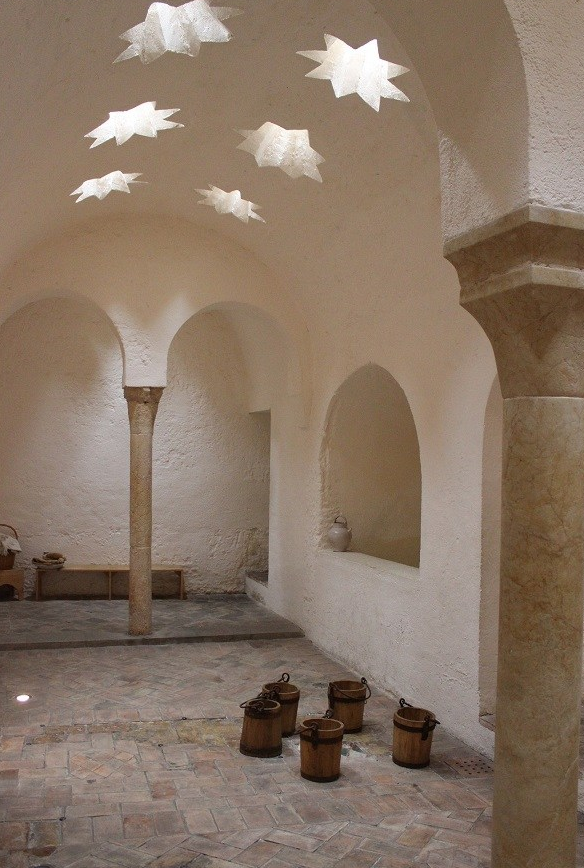

Tucked away in the heart of València, the Baños del Almirante offer a rare glimpse into the city's medieval past, a time when the city was a melting pot of cultures. These gothic baths, echoing the elegance of Islamic hammams, were constructed in the early 14th century, around 1313, during the reign of King James II of Aragon. Serving as a testament to the city's rich history, they were built adjacent to the palace of the Admiral of Aragón, a key figure in medieval Spain whose influence extended across the Mediterranean.
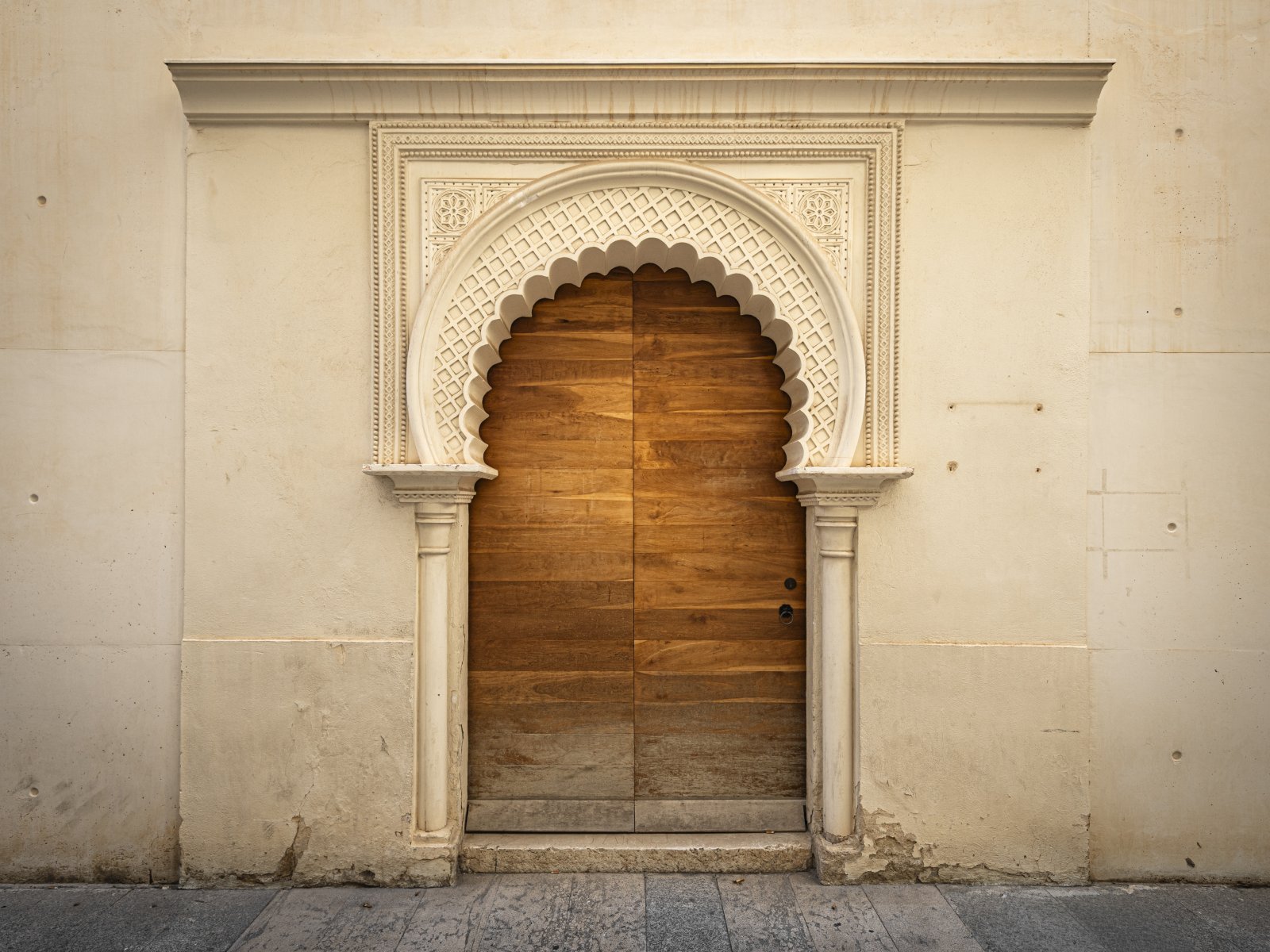
The baths were not merely a place for cleansing but a social hub where the city's elite would gather. Throughout the centuries, the Baños del Almirante have witnessed the ebb and flow of València's fortunes, surviving periods of neglect and restoration. Their endurance speaks volumes about the city's dedication to preserving its heritage, allowing visitors today to step back in time and experience a slice of historical life.
Architecturally, the Baños del Almirante are a striking blend of Gothic and Moorish styles, manifesting the cultural syncretism that characterized medieval València. The structure is simple yet elegant, with its stone arches and vaulted ceilings. The layout follows the traditional Arab bath sequence: a cold room (bayt al-barid), a warm room (bayt al-wastani), and a hot room (bayt al-sajun), designed to cleanse and relax both body and mind. While the original mosaics have long since faded, the restoration efforts have meticulously preserved the baths’ essential elements, offering a glimpse into the artistry of the past.

Beyond its architectural allure, the Baños del Almirante are a cultural treasure trove. València's vibrant traditions often reflect its historical tapestry, with festivals like Las Fallas and La Tomatina drawing on themes of community and celebration. However, the baths connect more intimately to the city's Moorish past, which has left an indelible mark on Valencian culture, from the intricate tilework seen throughout the city to the aromatic spices that flavor its cuisine.
Speaking of which, no exploration of València is complete without indulging in its rich gastronomic offerings. The city is renowned for paella, a dish that reflects its agricultural roots and coastal bounty. Paella Valenciana, made with rabbit, chicken, and the local variety of green beans and snails, is a must-try. To experience a meal that echoes the historical influences seen in the Baños del Almirante, try arroz al horno (baked rice) or fideuà, a noodle dish similar to paella, both of which showcase the Moorish influence on Valencian cooking.
While the Baños del Almirante are a well-known landmark, there are lesser-known curiosities that add to their charm. For instance, throughout their history, the baths have been used for various purposes, including as a storage space for the adjacent palace. A delightful detail, often overlooked, is the carefully engineered water system originally used to heat the baths, a feat of medieval engineering that underscores the sophistication of the period.
For those planning a visit, the best time to experience València is in the spring or fall, when the weather is mild, and the city is alive with festivals. The Baños del Almirante can be visited as part of a walking tour of the old town, allowing you to appreciate other nearby historic sites. When exploring the baths, take note of the temperature variations between rooms, a subtle but powerful connection to the past.
In conclusion, the Baños del Almirante stand as more than just relics of a bygone era; they are living remnants of València's multifaceted history, offering insight into a time when cultures intermingled and thrived together. Whether you're an architecture enthusiast, a history buff, or simply a curious traveler, the baths provide a rich, tactile connection to the past. As you wander through the dimly lit chambers, you can almost hear the whispers of the past, inviting you to uncover the stories etched into the very stones of this ancient city.