← Back

Lonja de la Seda: a castle that seems to be made of lace

Carrer de la Llotja, 2, 46001 València, Valencia, Spagna ★★★★☆ 807 views
Selina Kyle
València
🏆 AI Trip Planner 2026

Get the free app

Discover the best of València with Secret World — the AI trip planner with 1M+ destinations. Get personalized itineraries, hidden gems and local tips. Free on iOS & Android.

🧠 AI Itineraries 🎒 Trip Toolkit 🎮 KnowWhere Game 🎧 Audio Guides 📹 Videos
Scan to download iOS / Android
Scan for AppGallery Huawei users

About Lonja de la Seda: a castle that seems to be made of lace

Lonja de la Seda: a castle that seems to be made of lace - València | Secret World Trip Planner

In the heart of València, the Lonja de la Seda stands as a stunning testament to the city’s rich history and architectural prowess. Often described as a castle that seems to be made of lace, this UNESCO World Heritage Site is a symbol of Valencia's past splendor and economic power. Originally constructed between 1482 and 1548, the building served as the silk market, a vital hub during the height of Valencia’s silk trade.

Lonja de la Seda: a castle that seems to be made of lace - València | Secret World Trip Planner

### History and Origins The origins of the Lonja de la Seda are rooted in Valencia’s flourishing silk industry. In the late 15th century, silk was an essential commodity, and the city became a significant center for its production and trade. The Lonja was commissioned by the city council to facilitate the booming silk market, reflecting the wealth and ambition of the time. Notable figures such as the architect Francesc de Vinatea played a crucial role in its design, creating a space that would not only serve a practical purpose but also embody the artistic spirit of the Gothic style.

Throughout the centuries, the Lonja has witnessed numerous historical events, from the Spanish Civil War to various economic transformations. Its walls echo with the stories of merchants, traders, and the vibrant culture that surrounded the silk trade, making it a living monument to Valencia’s heritage.

Lonja de la Seda: a castle that seems to be made of lace - València | Secret World Trip Planner

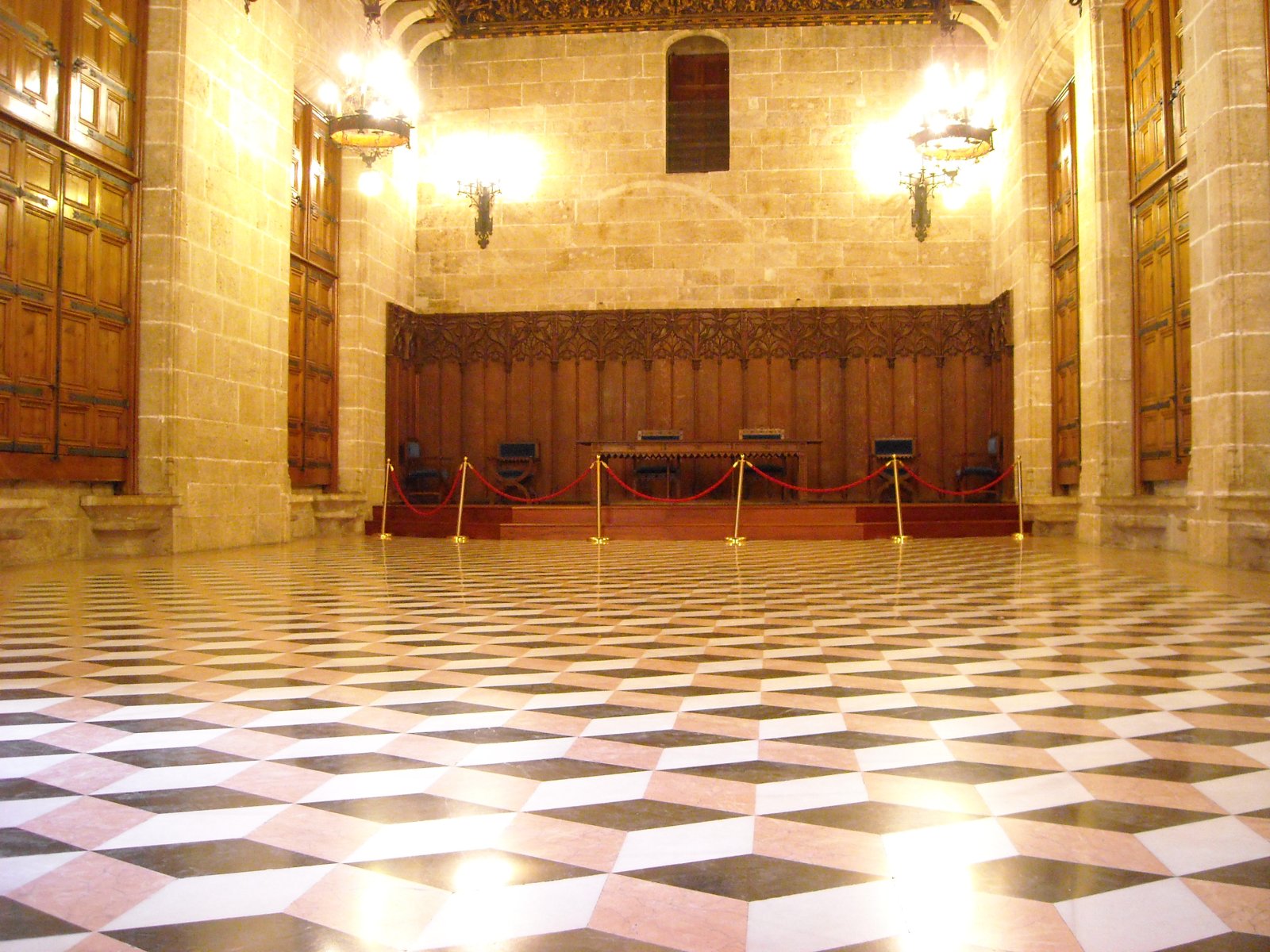
### Art and Architecture The architectural style of the Lonja de la Seda is a stunning example of Gothic design, characterized by intricate details that evoke the delicate patterns of lace. The building's façade is adorned with elaborate sculptures and decorative motifs, showcasing the craftsmanship of the period. As you step inside, the Sala de Contratación (Contract Hall) captures your breath with its majestic columns that rise to 16 meters and support a magnificent vaulted ceiling.

The interior is equally impressive, featuring a series of stained glass windows that filter light into ethereal patterns across the stone floor. The Lonja is also home to several notable artworks, including the painting of Saint George slaying the dragon, a nod to Valencia’s patron saint, which adds a layer of cultural significance to the space.

### Local Culture and Traditions The significance of the Lonja de la Seda extends beyond its architectural beauty; it is a cultural landmark that plays a central role in local traditions. The building is often associated with the Fallas Festival, a vibrant celebration held each March, where intricate sculptures are paraded through the streets and set ablaze in a grand finale. The Lonja, with its historical aura, serves as a backdrop for various cultural events, including concerts and exhibitions, bridging the past with the present.

Moreover, Valencia’s deep-rooted customs, such as the “Mercado Central” located nearby, reflect the region’s commitment to preserving its culinary traditions. The market is a hub for fresh produce, local delicacies, and traditional crafts, enhancing the cultural experience of visitors.

### Gastronomy No visit to Valencia is complete without indulging in its gastronomy. The city is celebrated for its paella, a rice dish that originated in the region and has become synonymous with Spanish cuisine. Many local restaurants near the Lonja serve this iconic dish, often made with fresh seafood, rabbit, or vegetables, allowing visitors to taste the flavors of Valencia.

In addition to paella, try the horchata, a refreshing drink made from tiger nuts, and fartons, sweet pastries that pair perfectly with it. These culinary delights not only reflect the local palate but also the historical influences that have shaped Valencia’s food culture.

### Lesser-known Curiosities While many tourists flock to the main attractions, a few hidden details about the Lonja de la Seda might surprise you. One such curiosity is the “Dragon’s Claw,” a decorative element found in the building that symbolizes the power and bravery of Valencia’s medieval merchants. Another interesting fact is that the Lonja was used as a prison during the Spanish Civil War, adding layers of history to its already rich narrative.

Moreover, the building is often overlooked for its beautiful courtyard, a tranquil space adorned with orange trees that offers a moment of respite away from the bustling crowds.

### Practical Visitor Information The best time to visit the Lonja de la Seda is during the spring or fall when the weather is mild, and the city is less crowded. Be sure to check the opening hours, as they can vary seasonally, and consider taking a guided tour to gain deeper insights into the building’s history and architecture.

When you visit, take the time to admire the details—look up to appreciate the vaulted ceilings, explore the hidden corners of the courtyard, and don’t forget to capture the intricate lace-like designs that adorn the building's exterior.

The Lonja de la Seda is not just a monument; it’s a living piece of history that invites you to explore Valencia's cultural soul.

To make the most of your experience in Valencia, consider using the Secret World app to craft a personalized itinerary tailored to your interests.

🗺 L'app dei tesori italiani

Plan your visit to València

Suggested itinerary near Lonja de la Seda: a castle that seems to be made of lace

MAJ+
500.000+ travelers worldwide
  1. 🌅
    Morning
    Lonja de la Seda: a castle that seems to be made of lace
    📍 València
  2. ☀️
    Afternoon
    Valencia and the famous Tower: El Miguelete
    📍 0.3 km · València
  3. 🌆
    Evening
    Valenzia and i Baños del Almirante
    📍 0.4 km · València

Buy Unique Travel Experiences

Powered by Viator

See more on Viator.com

Explore nearby · València

Frequently Asked Questions

The Lonja de la Seda earned this poetic description due to its stunning Gothic architecture characterized by intricate, delicate details and elaborate sculptures that resemble the fine patterns of lace. The building's façade showcases exceptional craftsmanship with decorative motifs that reflect the artistic spirit of the Gothic style, making it appear as if constructed from delicate lacework rather than stone.
The Lonja de la Seda was commissioned by the city council in the late 15th century to serve as a silk market, facilitating Valencia's booming silk trade during its height of economic prosperity. The building functioned as a vital hub for silk merchants and traders, reflecting the city's wealth and importance as a significant center for silk production and commerce.
The most impressive interior feature is the Sala de Contratación (Contract Hall), which showcases majestic columns rising to 16 meters that support a magnificent vaulted ceiling. Additionally, the building features beautiful stained glass windows that filter light into ethereal patterns across the stone, creating a breathtaking visual experience that exemplifies Gothic design.
The Lonja de la Seda was constructed between 1482 and 1548, spanning several decades of architectural development. The notable architect Francesc de Vinatea played a crucial role in its design, creating a space that served both practical commercial purposes and embodied the artistic aspirations of the Gothic period.
Yes, the Lonja de la Seda holds UNESCO World Heritage Site status, recognizing its outstanding universal value as a testament to Valencia's rich history and architectural prowess. This designation underscores the building's importance as a symbol of the city's past splendor and its significance in European cultural heritage.