Nestled in the heart of Valencia, the Museum of Fine Arts, also known as Museo San Pio V, is a treasure trove of artistic heritage. Opened in 1837, this museum finds its roots in the former San Pio V Monastery, which dates back to the 16th century. Its founding was a pivotal moment in the city’s cultural revival, aimed at preserving and showcasing the rich artistic legacy of the region.

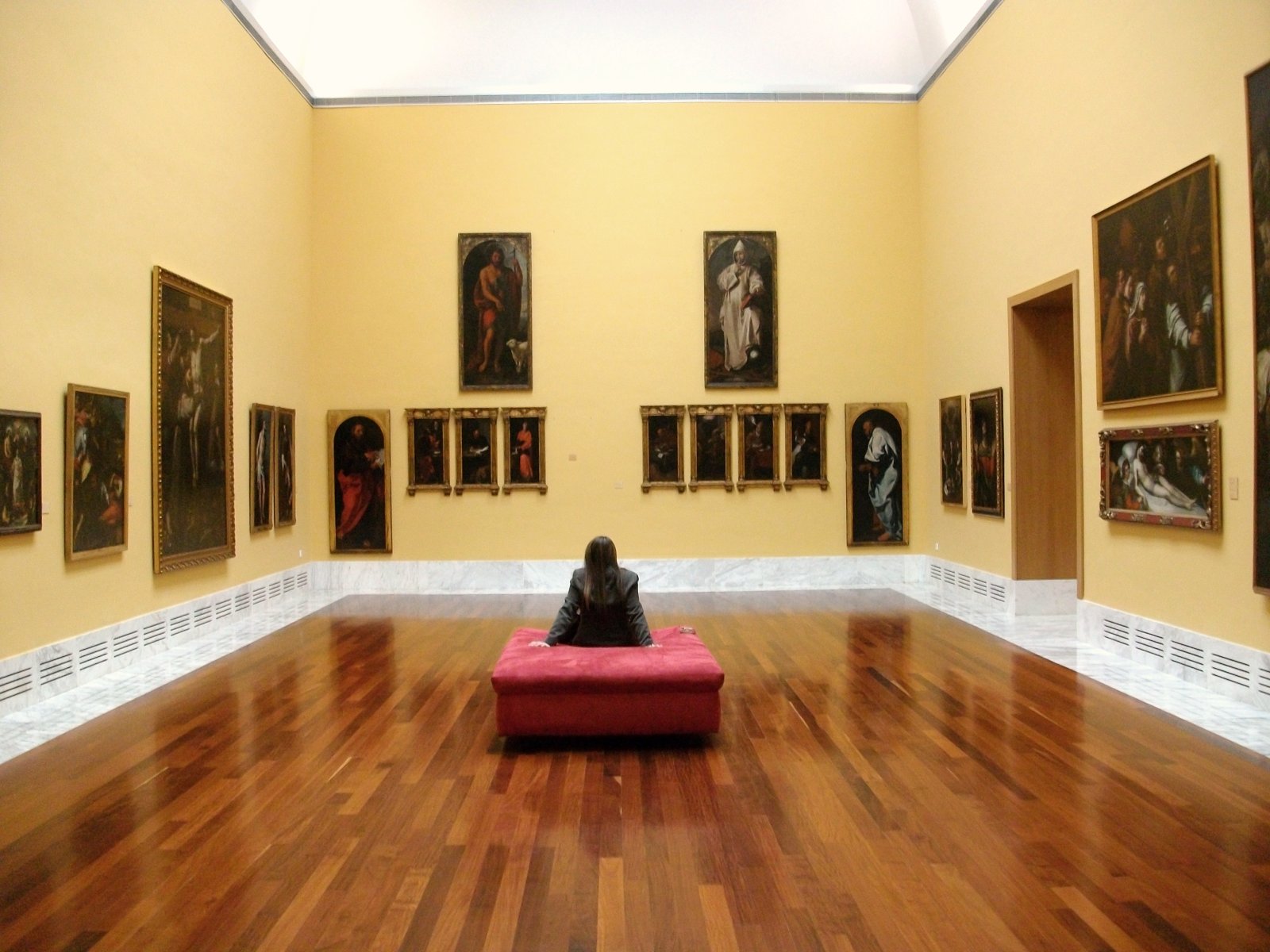
The building itself is a stunning example of Spanish Renaissance architecture, characterized by its elegant arches, grand facades, and harmonious proportions. The museum's collection boasts over two thousand pieces, with significant works from the 14th to the 19th centuries. Among its most celebrated pieces is the self-portrait of Diego Velázquez, a testament to his genius, alongside Virgin of Pinturicchio, which reflects the devotional artistry of the Renaissance. The museum also houses a remarkable selection of works by Francisco Goya, often regarded as one of Spain's most important artists, and José de Ribera, known for his dramatic use of light and shadow.
Valencia's cultural fabric is rich with traditions that resonate through its streets, particularly during its famous Las Fallas festival, celebrated annually in March. This vibrant event features elaborate sculptures that are eventually set ablaze, attracting visitors from around the globe. The museum stands as a reminder of Valencia's artistic legacy, celebrated not just through the visual arts but also through its local customs and festivals.
As you explore the museum, don't miss the opportunity to indulge in Valencian gastronomy. The region is famous for its paella, a rice dish typically prepared with chicken, rabbit, and fresh vegetables, and often enjoyed with a glass of horchata, a refreshing drink made from tiger nuts. Local tapas, such as esgarraet (a dish made of roasted peppers and salted fish), provide a delicious insight into the region's culinary traditions.
Hidden throughout the museum are lesser-known curiosities that often elude the average visitor. For instance, the museum's library contains a remarkable collection of ancient texts and art books, making it an invaluable resource for art historians and enthusiasts alike. Additionally, the courtyard garden, a serene space filled with Mediterranean flora, offers a quiet retreat amidst the bustling city and is often overlooked by those who rush through the galleries.
The best time to visit the Museum of Fine Arts is during the spring and fall when the weather is mild and ideal for exploring both the museum and the vibrant streets of Valencia. To make the most of your visit, consider taking a guided tour to gain deeper insights into the artworks and their historical contexts.
In summary, the Museum of Fine Arts in Valencia is not just a repository of art; it is a vibrant celebration of the city’s historical and cultural journey. From its stunning architectural design to its rich collection of masterpieces, it offers a profound experience that connects the past to the present.
For a personalized exploration of Valencia’s artistic treasures, consider using the Secret World app to craft your ideal itinerary.