




← Back

Trieste and the ancient Gasometer of Broletto

Via Italo Svevo, 2, 34144 Trieste TS, Italia ★★★★☆ 499 views
Mia Patel
Trieste
🏆 AI Trip Planner 2026

Get the free app

Discover the best of Trieste with Secret World — the AI trip planner with 1M+ destinations. Get personalized itineraries, hidden gems and local tips. Free on iOS & Android.

🧠 AI Itineraries 🎒 Trip Toolkit 🎮 KnowWhere Game 🎧 Audio Guides 📹 Videos
Scan to download iOS / Android
Scan for AppGallery Huawei users

About Trieste and the ancient Gasometer of Broletto

Trieste and the ancient Gasometer of Broletto - Trieste | Secret World Trip Planner

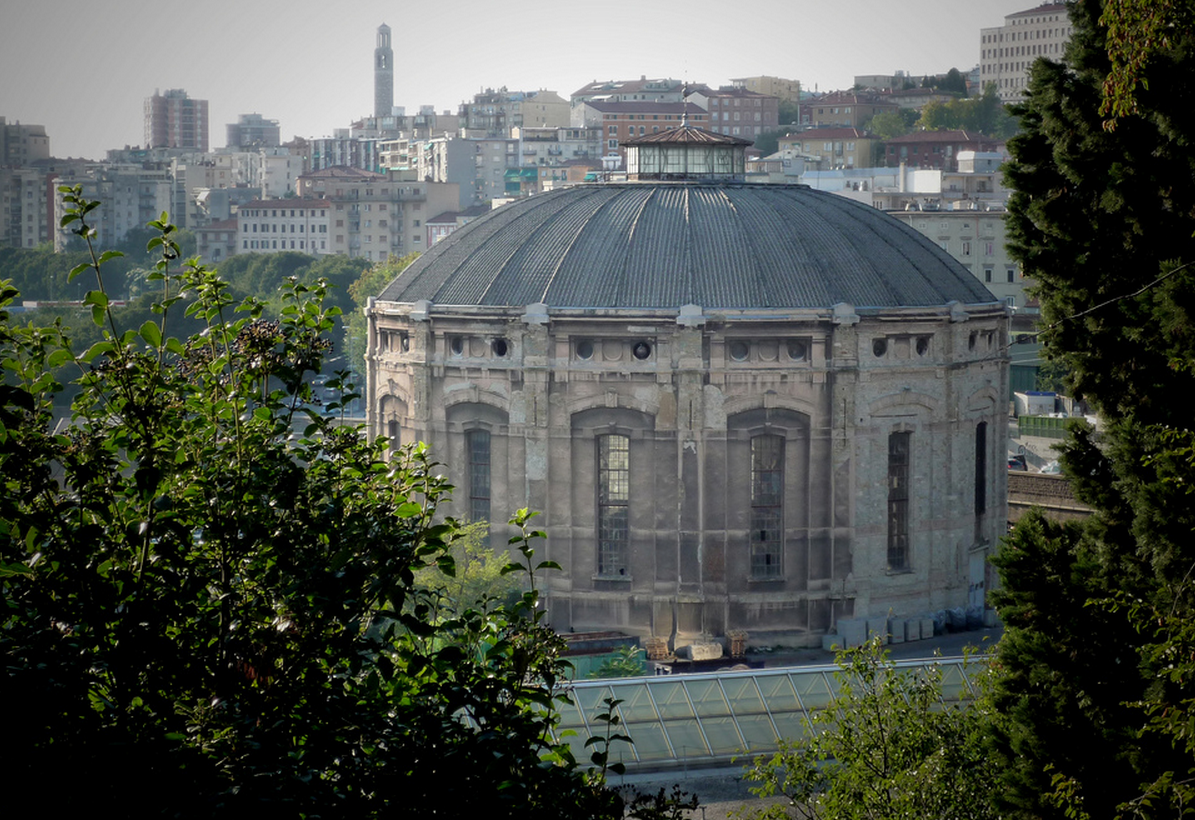
At the beginning of Via Svevo stands the imposing Gasometer, built in 1901 in what was then Via Broletto, named after the homonymous valley, which belonged to the noble Giuliani family, and since 1869 owned by Giuseppe Millanich. From the first half of the nineteenth century, this area underwent a strong urban and industrial development with the construction of shipyards and industries, such as the Adriatic Naval Establishment, the Trieste Technical Establishment and the Lloyd's Arsenal. At the end of the nineteenth century, the increase in gas consumption, both public and private, due to the expansion of the city, made it necessary to expand the existing structures used in this production (the first one, Usina Comunale del Gas, had already been in operation since 1846). For this reason, the construction of a newer and larger watertight gasometer in the Broletto area was planned. 17435826The building was designed by the civil engineer Francesco Buonaffi and commissioned by the Azienda Comunale Elettricità Gas Acqua of Trieste. The circular structure, made of stone and iron, has a diameter of 45 m and is 35 m high, with a capacity of 20,000 cubic meters of gas. The gasometer is of the "watertight" type, otherwise known as a "water tank" and has a dome with a wood-panelled interior, while the exterior has numerous small windows and a lantern with a gallery and various decorative motifs. On the façade there are 14 large metal-framed windows and a stone manometer crowned by a slab bearing the inscription "ADMCMII". It survived the bombings of 1916, but remained inactive during the Second World War and was closed in 1947. Compared to other similar structures, the Broletto Gasometer was not demolished but protected as an asset of cultural interest, preserving only the external structure. In 2007 it was proposed to recover it as a planetarium and astronomy museum, a hypothesis that fell on deaf ears.

🗺 L'app dei tesori italiani

Plan your visit to Trieste

Suggested itinerary near Trieste and the ancient Gasometer of Broletto

MAJ+
500.000+ travelers worldwide
  1. 🌅
    Morning
    Trieste and the ancient Gasometer of Broletto
    📍 Trieste
  2. ☀️
    Afternoon
    Museum of the Famacia Picciòla
    📍 1.7 km · Trieste
  3. 🌆
    Evening
    Alabarda di Trieste
    📍 1.7 km · Trieste

Buy Unique Travel Experiences

Powered by Viator

See more on Viator.com

Explore nearby · Trieste

Frequently Asked Questions

The Gasometer of Broletto is an imposing circular structure built in 1901 at the beginning of Via Svevo in Trieste, designed by civil engineer Francesco Buonaffi. With a diameter of 45 meters and height of 35 meters, it was constructed to meet the city's growing gas consumption needs during the industrial expansion of the late nineteenth century.
The gasometer is a watertight 'water tank' type structure made of stone and iron with a capacity of 20,000 cubic meters, featuring a wood-panelled dome interior and an exterior decorated with 14 large metal-framed windows and a lantern gallery. The facade includes a stone manometer crowned by a slab bearing the inscription 'ADMCMII' and numerous decorative architectural elements.
The gasometer became inactive during World War II and was officially closed in 1947, so it no longer operates for its original purpose. However, unlike similar structures that were demolished, it was protected as a cultural asset and preserved as an important historical landmark that remains visible in Trieste's industrial heritage landscape.
Despite surviving the bombings of 1916, the gasometer remained inactive throughout World War II and was eventually closed in 1947. Its survival as a protected cultural asset, rather than demolition like other similar structures, makes it a rare example of industrial architecture preservation in Trieste.
In 2007, a proposal was made to recover and repurpose the Gasometer as a planetarium and astronomy museum, which would have transformed this industrial landmark into a cultural and educational venue. Unfortunately, this ambitious restoration project did not come to fruition, though the exterior structure continues to be protected as a cultural asset.