
🎄 Win a month in Italy for two — €10,000 · The Secret Italy Prize GO →
 Shrine of the Split Mountain — Gaeta
← Back
Religious places 📍 Gaeta, Italy 157 views

Shrine of the Split Mountain

The Church of the Most Holy Trinity was built in the 11th century. It had a Benedictine monastery attached to it. After a brief period of dependence on the institute of SS.ma Annunziata, it passedò under the jurisdiction of the monastery of S. Angelo in Planciano as a gran...

Photo · Elena S.

Shrine of the Split Mountain — Gaeta, Italy.

Location
Gaeta
Type
Religious places
Opening hours
Weather now
↗ Directions

About Shrine of the Split Mountain

Shrine of the Split Mountain - Gaeta | Secret World Trip Planner

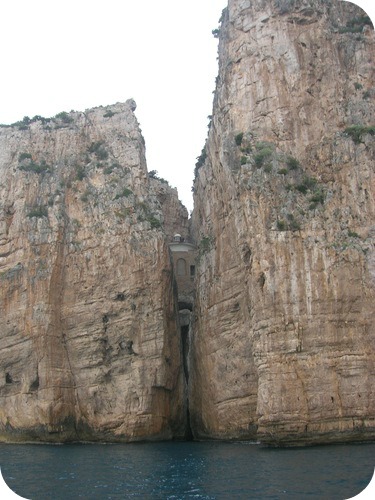
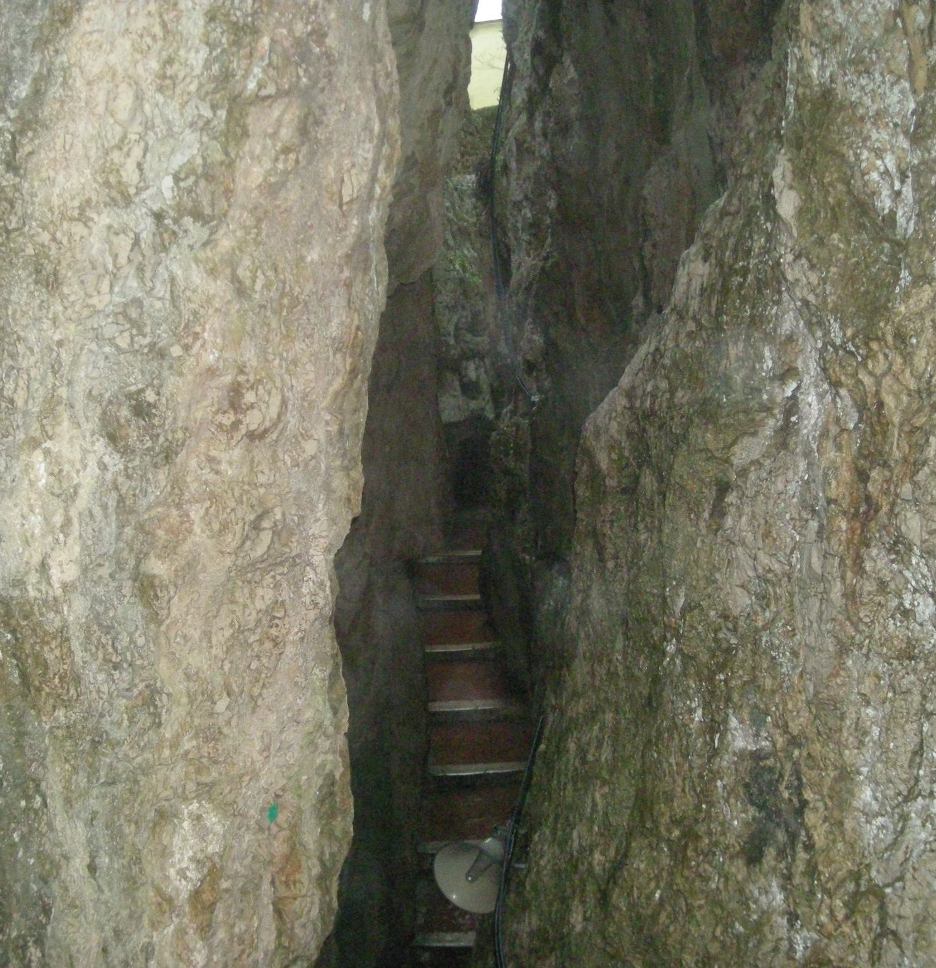
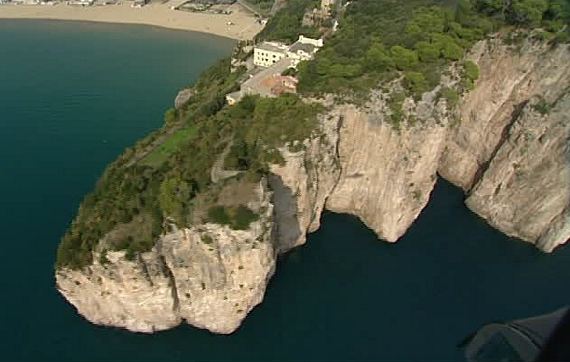
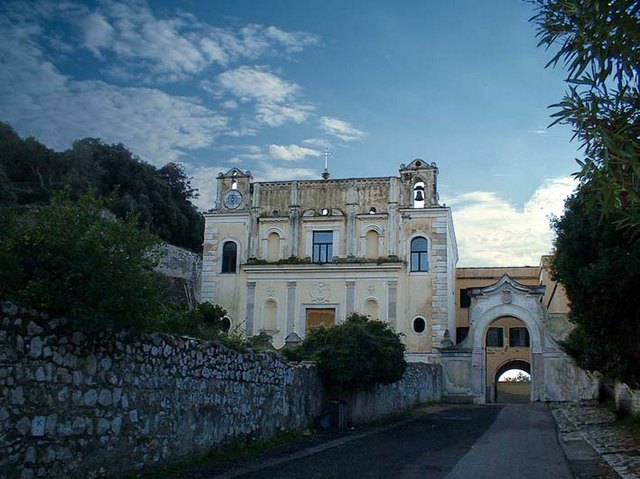
The Church of the Most Holy Trinity was built in the 11th century. It had a Benedictine monastery attached to it. After a brief period of dependence on the institute of SS.ma Annunziata, it passedò under the jurisdiction of the monastery of S. Angelo in Planciano as a grange. In the 15th century on a boulder, detached from the rock and lying on the central cleft, the chapel dedicated to the Crucifix was built. Under Charles V the new bastions of the Gaetan fortress were built, which still lap the sanctuary today. The present appearance of the church è the result of the 19th century restoration by the Alcantarine fathers. The complex of the "Split Mountain" is set in the context of three cracks in the rock. To the left of the church there è the descent to the fissure of Grotta del Turco. To the side are the Roman cisterns of the villa of L. Munazio Planco, not far from the mausoleum of the same name. To the right of the church there is an uncovered corridor with the Stations of the Cross on the walls in majolica panels,the work of R. Bruno (1849): under each panel the verses of Metastasio. At the end there è the staircase leading up to the central cleft in a particularly evocative setting: tradition ascribes the opening of the cleft to the time of Christ's death, when, according to the Scriptures, the veil of the temple of Jerusalem was torn. On the right wall, a Latin couplet, with a handprint beside it, recalls the miraculous mark made by an unbelieving Turkish sailor, who, mocking the pious tradition of the cleft's birth, leaned on the rock, which, immediately, miraculously softened. Just before the Chapel of the Crucifix (14th century), there è the stone bed of St. Philip Neri.
Shrine of the Split Mountain - Gaeta | Secret World Trip Planner
✦ Secret World · suggested day

A perfect day in Gaeta

Start with Shrine of the Split Mountain, then continue with nearby places selected by Secret World.

  1. 01
    Morning
    Shrine of the Split Mountain
    📍 Gaeta
    Start here
  2. 02
    Afternoon
    📍 0.1 km away
  3. 03
    Evening
    📍 1 km away

Collect this place

Turn places you discover into stamps in your Secret Passport.

Open Secret Passport →

Keep exploring · Gaeta

Frequently Asked Questions

The Church of the Most Holy Trinity was built in the 11th century and originally had a Benedictine monastery attached to it. After passing through different jurisdictions, it eventually came under the Alcantarine fathers, who performed significant restoration work in the 19th century that shaped its present appearance.
According to tradition, the central cleft in the rock opened at the moment of Christ's death, when the veil of the temple of Jerusalem was torn, as described in the Scriptures. A Latin inscription and handprint on the right wall commemorate a miraculous event where an unbelieving Turkish sailor's hand became embedded in the rock after he mockingly leaned against it.
Visitors can explore the Church of the Most Holy Trinity, the Chapel of the Crucifix (built in the 15th century on a boulder within the central cleft), and a corridor decorated with 18th-century majolica panels depicting the Stations of the Cross. The complex also includes the Grotta del Turco fissure, Roman cisterns from L. Munazio Planco's villa, and the stone bed of St. Philip Neri.

The shrine features majolica panels of the Stations of the Cross created by R. Bruno in 1849, with verses from Metastasio inscribed beneath each panel. Additionally, the stone bed of St. Philip Neri is preserved just before the Chapel of the Crucifix, and the Turkish sailor's handprint is visible on the rock face as a testament to the site's miraculous reputation.
The Gaetan fortress's new bastions, built under Charles V, still border the sanctuary today. The complex also contains Roman cisterns from the villa of L. Munazio Planco and a mausoleum dedicated to the same figure, making it a site of significant historical and archaeological importance spanning from Roman times through the medieval and Renaissance periods.

Experiences nearby · Gaeta

Powered by Viator

See more on Viator.com