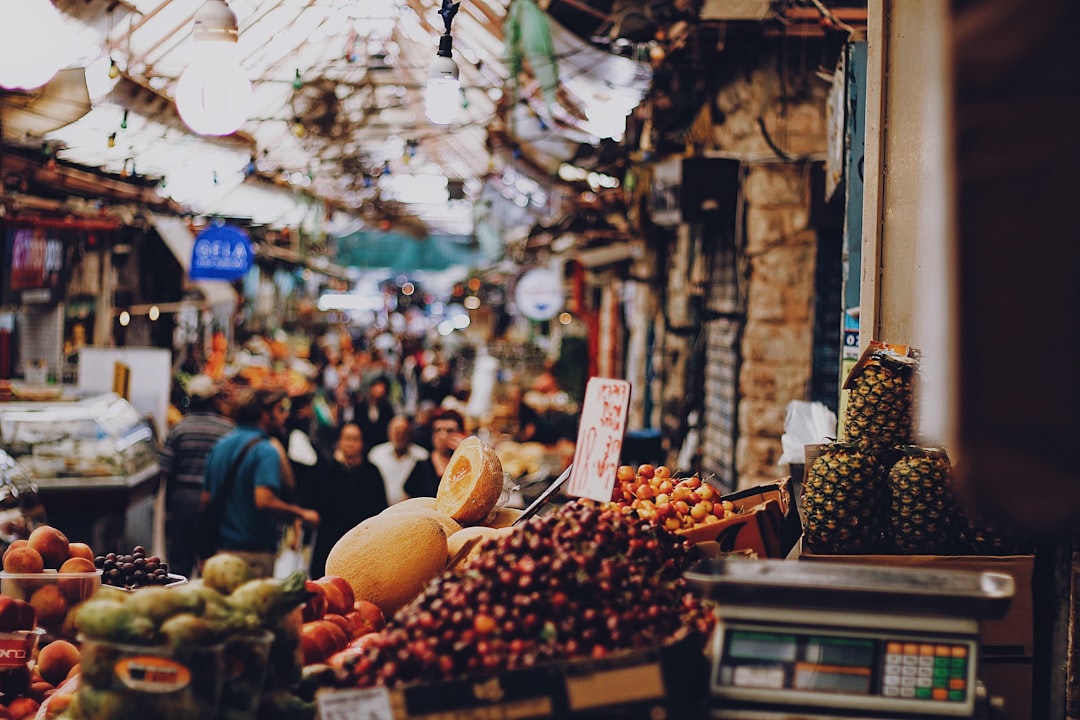

The smell of fresh za'atar and ground cardamom reaches you before you even enter. At the Mahane Yehuda market, in the western heart of Jerusalem, the senses are overwhelmed in sequence: first the nose, then the ears — the calls of the vendors in Hebrew and Arabic, the butcher's knife on the cutting board, the radio crackling with Mizrahi music — and finally the eyes, dazzled by mountains of yellow and red spices, pomegranates cut in half, trays of halva sprinkled with pistachios.
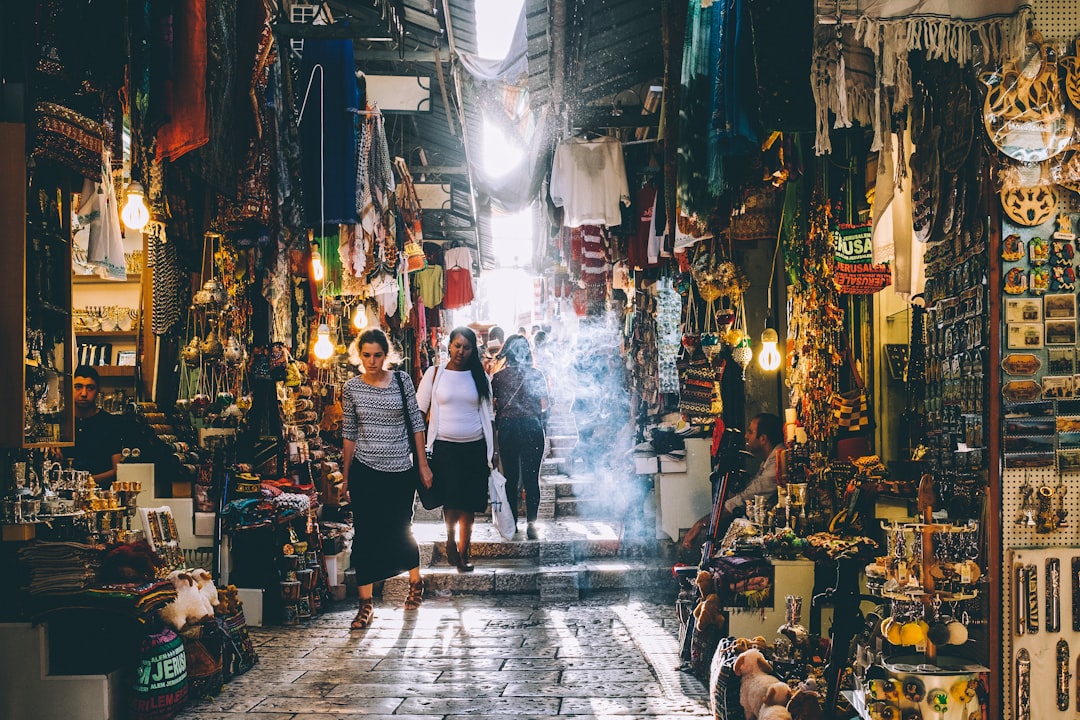
The market, locally known as HaShuk, stretches along two parallel streets covered by metal awnings in the Mahane Yehuda neighborhood, just a few minutes' walk from the light rail station. With about 250 active stalls, it is one of the busiest outdoor markets in the entire region. Its history dates back to the late 19th century when Sephardic Jewish merchants began selling agricultural products in what was then an open field outside the walls of the old city. Today it is a living organism that changes its face three times a day.
Colors and scents: what is sold among the stalls
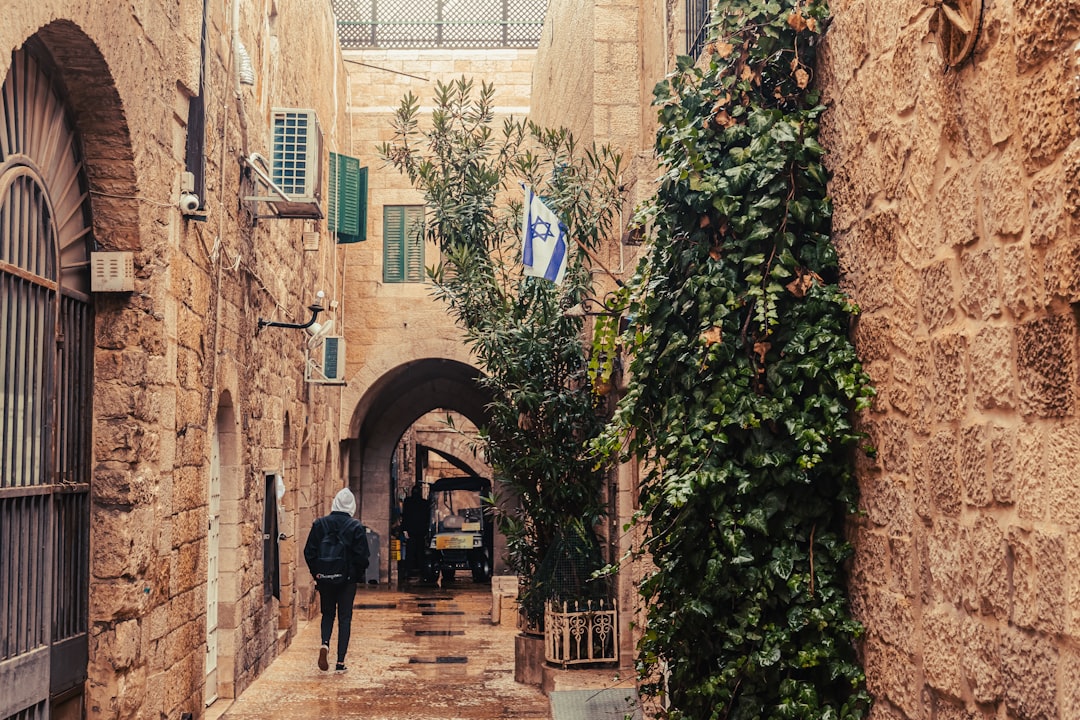
Each stall tells a precise specialization. Spice vendors display dozens of bulk varieties in cloth bags or terracotta bowls: red-purple sumac, mixtures of baharat, fenugreek, turmeric powder so intense it stains the fingers. Next to them, the bread stalls bake ka'ak al-Quds, the typical sesame rings from Jerusalem, sold hot in greaseproof paper bags.
Halva — the sweet made from pressed tahini — occupies a prominent place in many historic shops. The chocolate, vanilla, or pistachio versions are cut into thick slices in front of the customer, just like aged cheese. Along the central corridor, crates of fruits and vegetables create true chromatic architectures: beefsteak tomatoes stacked with geometric precision, open pomegranates showing ruby-colored seeds, almost black purple figs next to bright yellow lemons.
Voices and stories: the people of the market
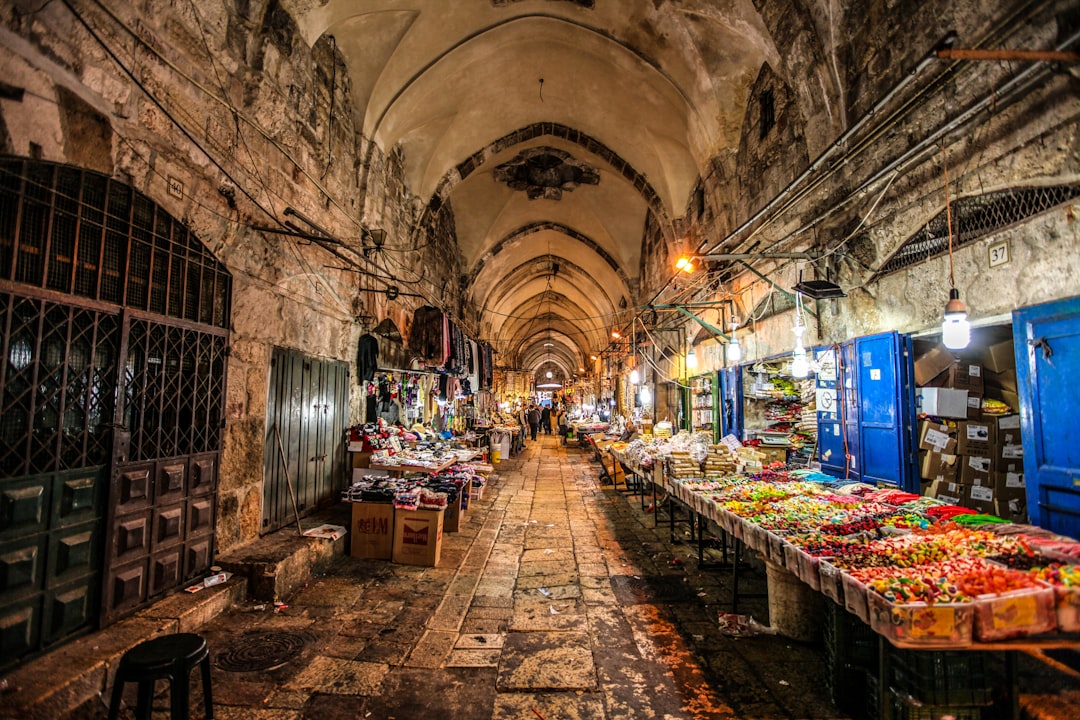
Mahane Yehuda is not just goods. It is primarily the place where Jerusalem meets itself. Early in the morning, around eight, the market belongs to restaurateurs and housewives who negotiate prices with suppliers. At that hour, conversations are quick, practical, in a mix of modern Hebrew and Yiddish still alive among the older merchants.
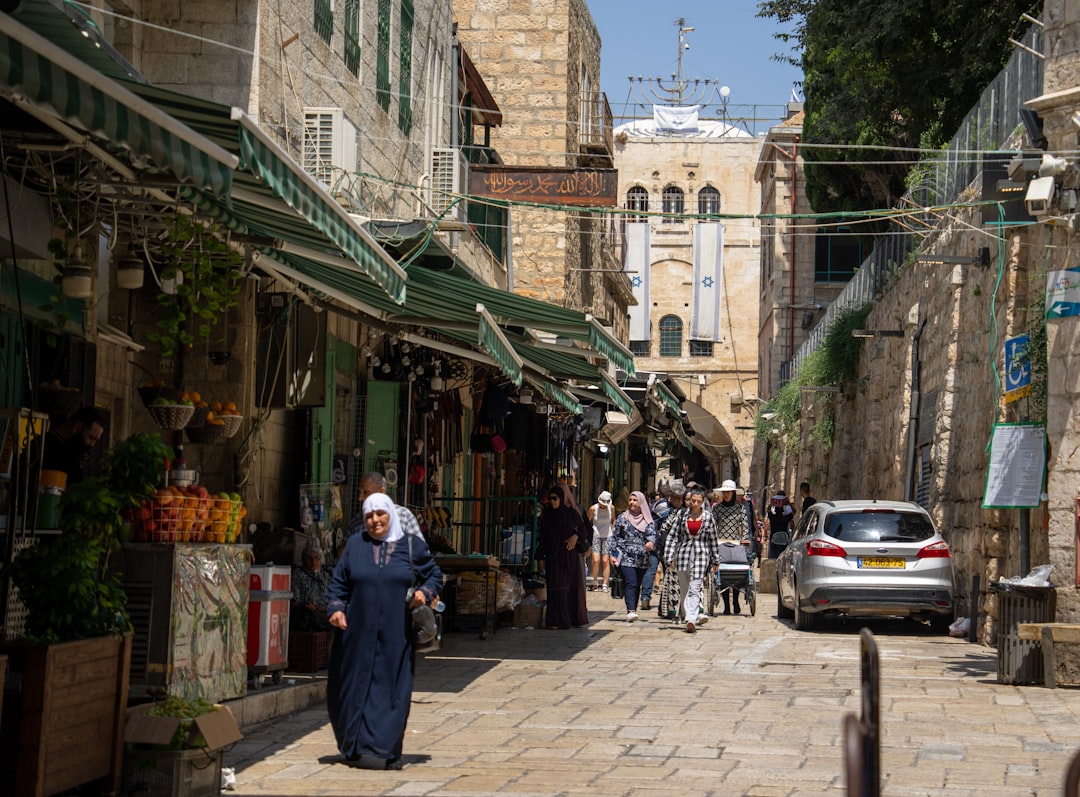
Many of the stalls are run by families who have passed down the trade for three or four generations. It is not uncommon to hear a spice vendor proudly explain that his grandfather opened that same shop in the 1940s. This family continuity is physically perceivable: the hand-painted signs, the brass weights still in use on some scales, the yellowed photographs hanging behind the counter.
The evening transformation: the shuk at night
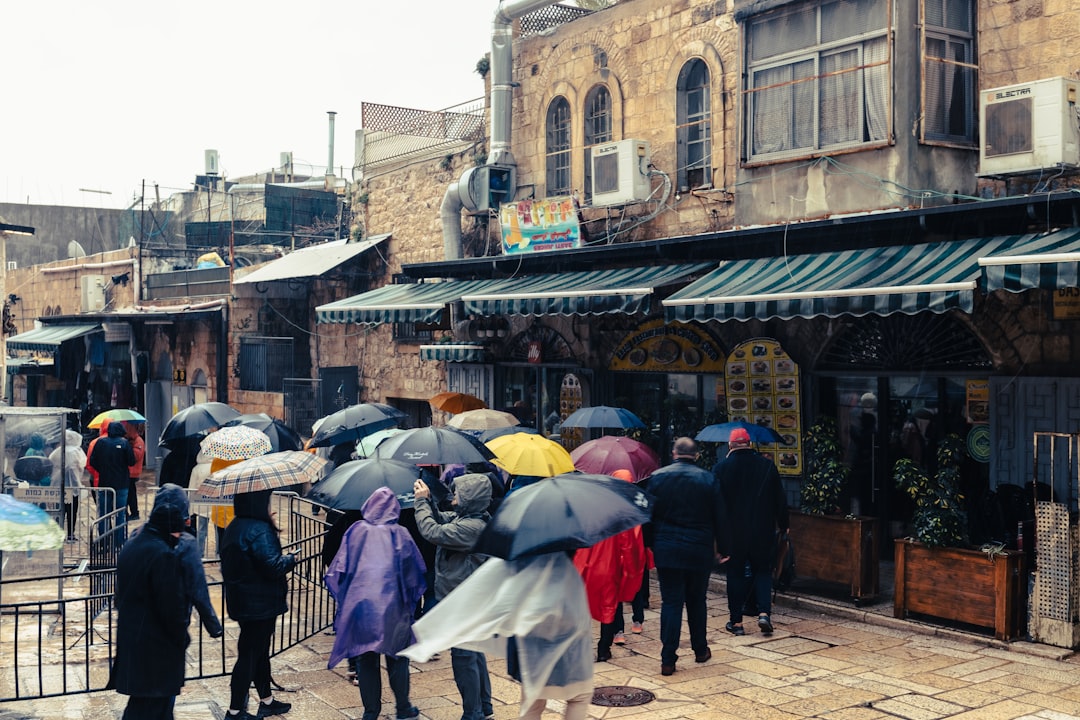
With sunset, and particularly after the end of Shabbat on Saturday night, Mahane Yehuda undergoes a radical transformation. The fruit stalls close, the shutters come down, and in their place bars, restaurants, and venues open up in the same spaces where vegetables were sold just a few hours earlier. The walls of the alleys become canvases for large murals — some commissioned from recognizable Israeli artists — and music replaces the calls of the vendors.
This double life of the market is one of its most distinctive features. Ordering a cocktail while sitting under the same metal awning where seasonal fruit was displayed in the morning creates an unusual spatial continuity, almost disorienting. Some venues have kept the old wooden counters visible as a decorative element, transforming the commercial past into contemporary aesthetics.
Practical tips for visiting Mahane Yehuda
The best time to experience the market in its most authentic form is Friday morning, between nine and twelve. At that time, just before the start of Shabbat, the activity peaks: prices are lower in the afternoon because vendors want to clear their stock, but the crowd is at its maximum. Those who prefer less chaos can opt for a Tuesday or Wednesday morning. Avoid Saturday during the day, when the market is completely closed in observance of Shabbat.
To reach Mahane Yehuda, simply take the light rail of Jerusalem and get off at the stop of the same name, Mahane Yehuda, on the red line. The market is located less than five minutes on foot from the stop. Allow at least an hour and a half for a relaxed visit, two hours if you intend to shop or stop for a meal. The falafel and sabich rolls — hard-boiled egg, fried eggplant, and tahini in pita — are among the easiest street foods to find and generally cost between 20 and 30 shekels per portion.