
← Back

Hanbury Botanical Garden

Corso Dogali, 1M, 16136 Genova GE, Italia ★★★★☆ 189 views
Sandra Kotak
DISTAV Orto Botanico
🏆 AI Trip Planner 2026

Get the free app

Discover the best of DISTAV Orto Botanico with Secret World — the AI trip planner with 1M+ destinations. Get personalized itineraries, hidden gems and local tips. Free on iOS & Android.

🧠 AI Itineraries 🎒 Trip Toolkit 🎮 KnowWhere Game 🎧 Audio Guides 📹 Videos
Scan to download iOS / Android
Scan for AppGallery Huawei users

About Hanbury Botanical Garden

Hanbury Botanical Garden - DISTAV Orto Botanico | Secret World Trip Planner

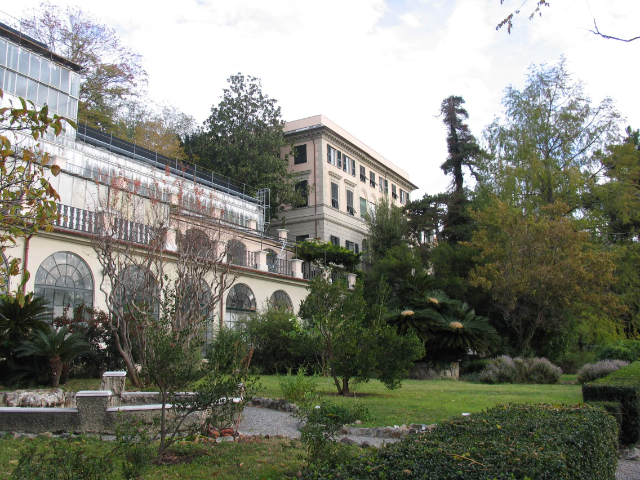
The Hanbury Botanical Garden in Genoa, also known as the Botanical Garden of Genoa, è an important botanical garden located in the Prà district in the western part of the city. The garden è was founded in 1867 by British botanist Thomas Hanbury, who had purchased the property in 1865.

The Hanbury Botanical Garden in Genoa covers an area of about 18,000 square meters and houses a vast collection of plants from all over the world. The garden è is divided into several sections, including an alpine garden, a Mediterranean garden, a subtropical garden and a medicinal herb garden. The history of the Hanbury Botanical Garden in Genoa è is very interesting. Thomas Hanbury, the founder of the garden, was a passionate botanist who had already established a botanical garden in La Mortola, Liguria, in 1867. Hanbury decided to buy the Prà property to expand his plant collection and create an even larger botanical garden.

Over the years, the Hanbury Botanical Garden in Genoa è has been managed by various botanical experts, who have enriched the plant collection with numerous specimens from all over the world.

Today, the garden is home to more than 1,000 different botanical species, including many rare and endangered plants. The Hanbury Botanical Garden in Genoa è is open to the public all year round and is a popular destination among tourists and nature lovers.

The garden è an oasis of peace and tranquility, where è you can admire the beauty of plants and learn more about botany and the importance of nature conservation.


🗺 L'app dei tesori italiani

Plan your visit to DISTAV Orto Botanico

Suggested itinerary near Hanbury Botanical Garden

MAJ+
500.000+ travelers worldwide
  1. 🌅
    Morning
    Hanbury Botanical Garden
    📍 DISTAV Orto Botanico
  2. ☀️
    Afternoon
    Lift Castello d'Albertis-Montegalletto
    📍 0.3 km · DISTAV Orto Botanico
  3. 🌆
    Evening
    D'Albertis Castle Museum of World Cultures
    📍 0.3 km · DISTAV Orto Botanico

Buy Unique Travel Experiences

Powered by Viator

See more on Viator.com

Explore nearby · DISTAV Orto Botanico

Frequently Asked Questions

The Hanbury Botanical Garden was founded in 1867 by British botanist Thomas Hanbury, who purchased the property in 1865. Hanbury was a passionate botanist who had already established another botanical garden in La Mortola, Liguria, and decided to expand his plant collection by creating this larger garden in Genoa's Prà district.
The garden covers approximately 18,000 square meters and is divided into several specialized sections including an alpine garden, Mediterranean garden, subtropical garden, and medicinal herb garden. Today, the garden houses more than 1,000 different botanical species, many of which are rare and endangered plants from around the world.
The Hanbury Botanical Garden is located in the Prà district in the western part of Genoa. This strategic location in the western area of the city makes it easily accessible for both tourists and local nature enthusiasts.
Yes, the Hanbury Botanical Garden is open to the public all year round, making it a popular destination for tourists and nature lovers at any time. The garden serves as a peaceful oasis where visitors can admire the beauty of plants and learn about botany and nature conservation.
The garden houses over 1,000 different botanical species sourced from all over the world, with many specimens being rare and endangered plants. Over the years, various botanical experts have managed and continuously enriched the collection, making it an important center for plant diversity and conservation education.