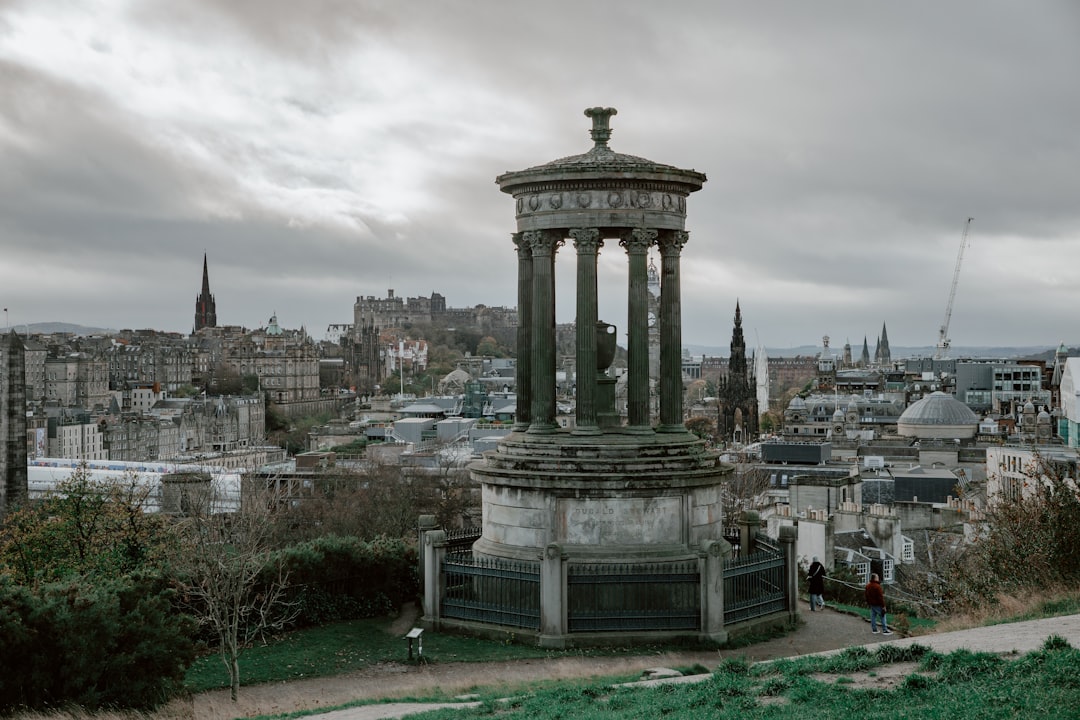

In the heart of Glasgow, Scotland, stands a symbol of accessibility and history: the drinking fountain. These structures, designed to provide drinking water to citizens, represent an important part of urban infrastructure, testifying to an era when fresh water was a precious commodity and not always available in private homes. Drinking fountains are the answer to a fundamental need, a public service with deep roots in the history of cities.
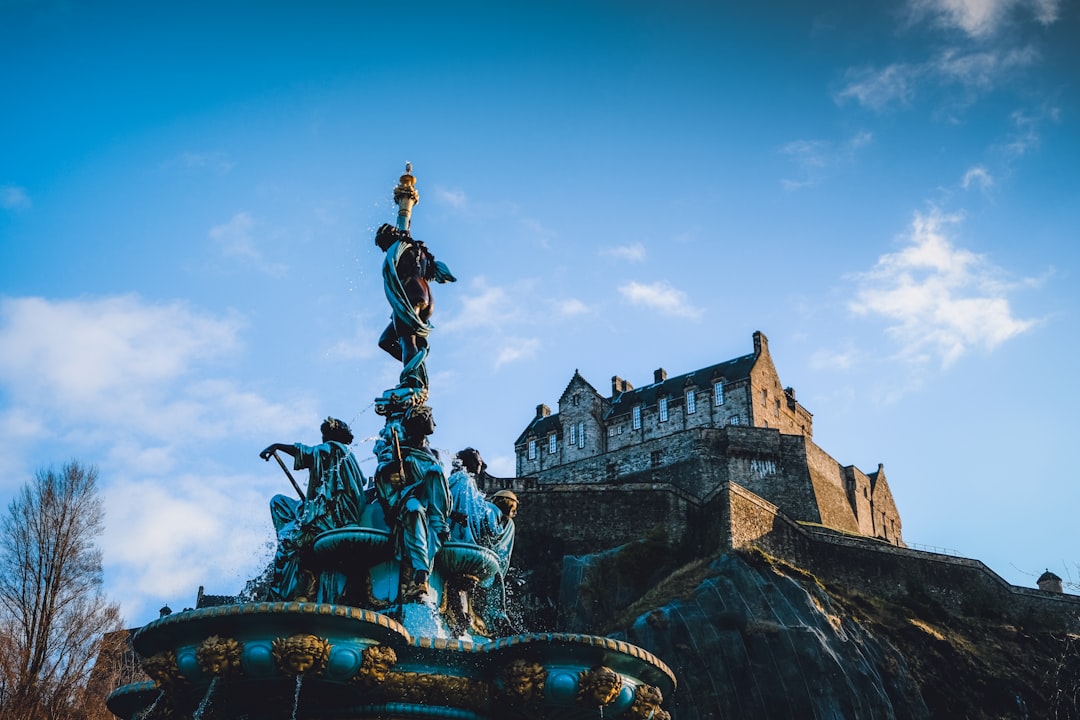
The drinking fountain in Glasgow is not just a refreshment point, but also a place for meeting and socializing. Its presence in parks, schools, and public places makes it a familiar element for residents and tourists, helping to create a welcoming and accessible environment for all. With its geographical coordinates 55.8511319, -4.0174744, this fountain is easily reachable and represents a great starting point for exploring the city.
History and Origins
Public drinking fountains, like the one in Glasgow, have a long history dating back to times when access to drinking water was limited. Before the introduction of running water in homes, citizens relied on these fountains to meet their water needs. The design of drinking fountains has evolved over time, transitioning from simple structures to more complex and functional designs, often equipped with filtration and cooling systems.
These monuments to water not only served to quench thirst but also promoted public health by reducing diseases related to contaminated water. Today, the drinking fountain in Glasgow is an example of how the city has embraced the importance of providing drinking water to its inhabitants, continuing a tradition with deep historical roots.