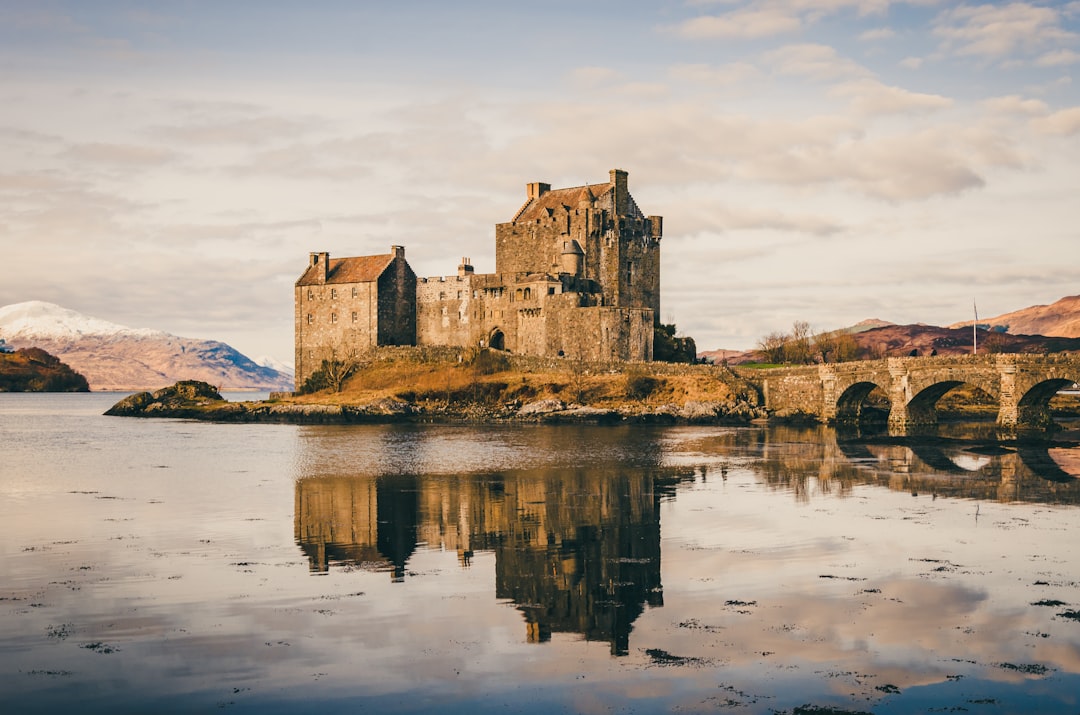

In the heart of Scotland, among lakes and tranquil waters, stand the crannogs, fascinating artificial islands that tell stories of a distant past. These structures, built in different eras, are witnesses to a civilization that has adapted and thrived in an aquatic environment. Crannogs are unique in their kind, and their presence in Scotland offers a glimpse into the life and culture of the populations that inhabited them for over five thousand years.
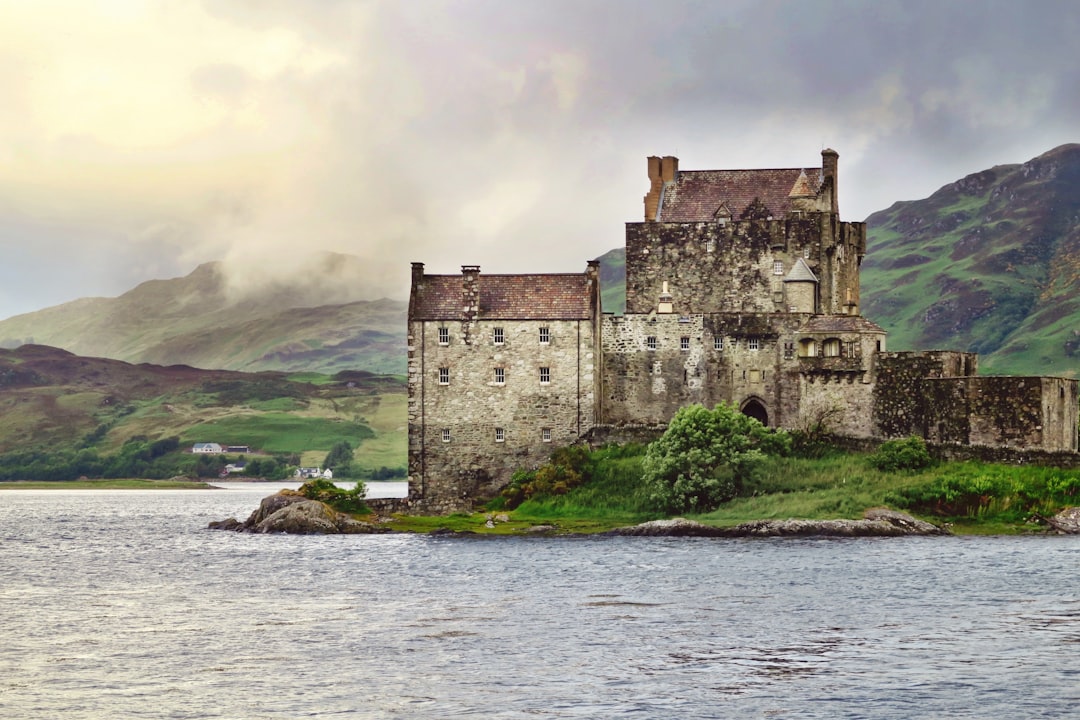
A journey to discover the crannogs is not only a historical experience but also an opportunity to immerse oneself in the natural beauty of Scotland. These islands, often surrounded by breathtaking landscapes, invite visitors to reflect on how humans have interacted with nature and created innovative and functional living spaces.
History and Origins
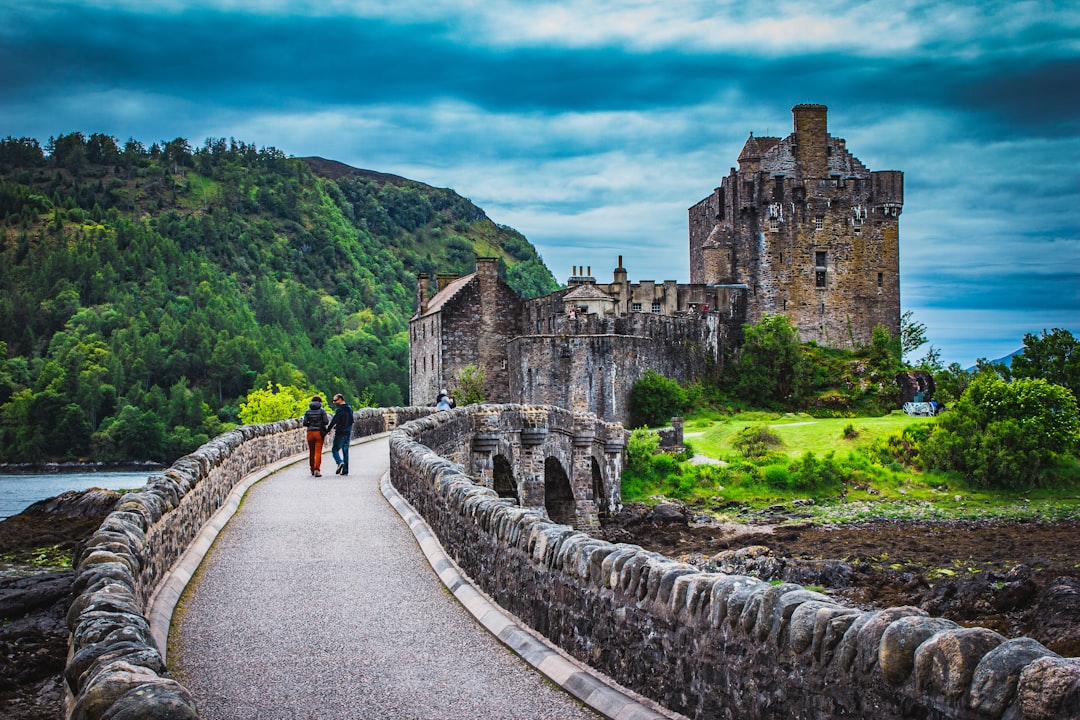
The crannogs date back to historical periods ranging from the Neolithic to the 17th century, indicating a continuity of occupation and use over time. These structures were typically built in lakes, bogs, and estuarine waters, creating artificial islands that served as refuges and centers of social and commercial activity. Scottish crannogs, unlike other prehistoric constructions, were designed to be partially or completely submerged in water, a feature that distinguishes them and highlights their ingenuity.
The earliest archaeological evidence of crannogs in Scotland dates back to around 3380-3630 BC and 3650-2500 BC, with sites like Loch Bhorgastail and Eilean Dòmhnuill providing valuable insights into the daily lives of the populations of the time. Their construction required engineering skills and a deep understanding of the surrounding environment, elements that continue to fascinate scholars and visitors today.
Elements to Observe
When visiting a crannog, one can notice various architectural elements that tell the story of these islands. Many of them featured wooden structures, while others display mounds of branches, stones, and wood, testament to the construction techniques used. Some crannogs, like those located at Loch Tay, reveal the presence of self-contained buildings, suggesting a complex social organization that went beyond simple habitation.
In addition to their architecture, crannogs also provide an important opportunity to explore the local flora and fauna. The waters surrounding them are often rich in life, and nature enthusiasts can observe a variety of waterfowl and plants thriving in this unique ecosystem. The combination of history and nature makes every visit to a crannog an unforgettable experience.
Why It Is Interesting Today
Crannogs are not only an important historical testimony but also represent a symbol of human resilience. In an age where the environment is increasingly threatened, these sites teach us the importance of adapting and living in harmony with nature. Their preservation is essential to keep alive the memory of sustainable practices and a way of life that has stood the test of time.
Moreover, crannogs have become a fascinating destination for tourists and scholars, attracting visitors interested in discovering Scotland's cultural roots. Their presence in the Scottish landscape invites deeper reflections on our history and our connection to the environment. For those wishing to delve further, the Secret World app offers valuable information for exploring these historical sites.