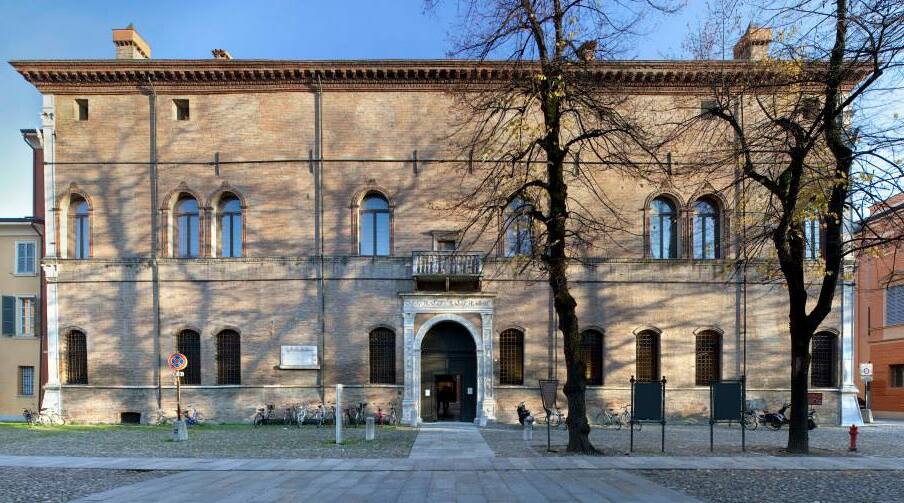

Nestled in the charming town of Correggio, the Museo Civico Il Correggio offers a captivating journey through time, art, and local culture. Situated on the main floor of the Palazzo dei Principi, this museum is a treasure trove of history that reflects the rich heritage of this modest yet significant Italian town.
### History and Origins
The roots of Correggio can be traced back to ancient times, with archaeological evidence indicating settlements as far back as the Roman era. The town's name is believed to derive from the Latin term "Corregium," referencing its location along important trade routes. The Palazzo dei Principi, where the museum is housed, dates back to the 16th century and served as a residence for the noble family of the Princes of Correggio.
The museum was officially established in the 19th century, with the aim of preserving and showcasing the artistic and archaeological heritage of the area. Key historical events, such as the unification of Italy in the 19th century, spurred interest in local history and the establishment of cultural institutions like Il Correggio.
### Art and Architecture
The architectural style of the Palazzo dei Principi is a stunning example of Renaissance design, with its elegant façade and grand interiors that evoke the grandeur of the period. Inside, visitors are greeted by an impressive collection of artworks, including pieces by renowned artists such as Andrea Mantegna and Mattia Preti.
Notably, the museum houses two paintings attributed to the master Correggio himself: the poignant "Face of Christ" and the emotive "Pietà." These works exemplify the artist's ability to convey deep emotional resonance through light and shadow. Additionally, the museum features a two-sided drawing by Correggio, showcasing his exceptional skill and creativity.
The collection also includes a stunning array of Flemish tapestries from the 17th century, intricately woven and depicting biblical scenes that transport visitors to a bygone era. The presence of the Treasure of S. Giuseppe adds another layer of significance, as it represents the artistic and spiritual heritage of the local church.
### Local Culture and Traditions
Correggio is not just a repository of art; it is also a living canvas of local culture. The town is known for its vibrant festivals, such as the Festa di San Quirino, held annually in late June. This celebration features traditional processions, music, and culinary delights that reflect the community's rich traditions.
The customs of the region are deeply intertwined with its agricultural roots. Local artisans continue to practice time-honored techniques, producing crafts that echo the artistry of the past. Visitors may encounter workshops where exquisite ceramics and textiles are created, offering a glimpse into the town's enduring creative spirit.
### Gastronomy
No visit to Correggio would be complete without indulging in its gastronomic delights. The region is celebrated for its rich culinary heritage, with traditional dishes such as tortelli di zucca (pumpkin-filled pasta) and gnocco fritto (fried dough) taking center stage.
Pairing these delicacies with a glass of Lambrusco, a sparkling red wine native to the area, enhances the experience, allowing visitors to savor the flavors of Emilia-Romagna. The local cuisine reflects the agricultural bounty of the region, with an emphasis on fresh, seasonal ingredients.
### Lesser-known Curiosities
While the major artworks and historical artifacts capture much attention, the museum also holds lesser-known treasures that intrigue the curious visitor. For instance, the mosaic by Arminio Zuccato on loan from the Convitto Nazionale "Rinaldo Corso" tells a fascinating story of collaboration between local institutions.
Additionally, the museum's collection of coins from the Correggio mint reveals insights into the economic history of the town, showcasing the significance of currency in trade and daily life during different periods.
### Practical Visitor Information
The best time to visit Museo Civico Il Correggio is during spring or early autumn when the weather is mild, making it perfect for strolling through Correggio's quaint streets. The museum is open year-round, but checking the schedule for special exhibitions is recommended, as they often feature works from renowned artists or highlight specific themes.
When visiting, don't miss the opportunity to engage with the museum staff, who are often eager to share stories about the collections. Be sure to take your time exploring the intricate details of the artworks, as each piece has a story that adds depth to the experience.
In conclusion, the Museo Civico Il Correggio is more than just a museum; it is a vibrant reflection of a town steeped in history, art, and culture. For those looking to explore the rich tapestry of Correggio, consider using the Secret World app to craft a personalized itinerary that uncovers the hidden gems of this enchanting destination.