
← Back

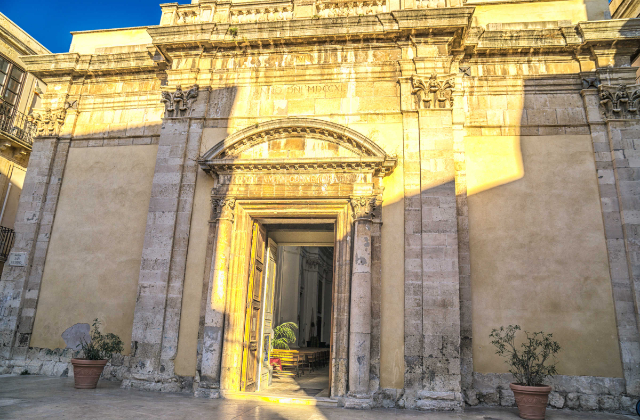
Church of St. Philip the Apostle

Piazza S. Filippo, 96100 Siracusa SR, Italia ★★★★☆ 122 views
Rania Nair
Siracusa
🏆 AI Trip Planner 2026

Get the free app

Discover the best of Siracusa with Secret World — the AI trip planner with 1M+ destinations. Get personalized itineraries, hidden gems and local tips. Free on iOS & Android.

🧠 AI Itineraries 🎒 Trip Toolkit 🎮 KnowWhere Game 🎧 Audio Guides 📹 Videos
Scan to download iOS / Android
Scan for AppGallery Huawei users

About Church of St. Philip the Apostle

Church of St. Philip the Apostle - Siracusa | Secret World Trip Planner

The Church of San Filippo Apostolo in Syracuse, Italy, is a fascinating historic site. The church is built on the foundation of a medieval synagogue, which adds historical significance to the site. However, what makes it truly unique is what lies beneath its surface.Deep beneath the church is a burial crypt, a network of tunnels and a Jewish ritual bath called a mikveh. These hidden elements offer a glimpse into the rich history and cultural heritage of Syracuse. The burial crypt is believed to have been used during antiquity, while the tunnels have had various functions over the centuries, such as escape routes during times of conflict.The presence of a mikveh, a ritual bath used for Jewish purification ceremonies, highlights Syracuse's historic Jewish community. It is a testimony to the coexistence and influence of different cultures in the city's history.Exploring the Church of St. Philip the Apostle allows visitors to discover the different layers of history that have shaped Syracuse. It offers a unique opportunity to immerse oneself in the past, discovering the interaction between different religious and cultural traditions.Visiting this church not only offers the chance to admire its architectural beauty, but also to learn about Syracuse's multicultural heritage and appreciate the importance of preserving and honoring its historic sites.


Church of St. Philip the Apostle - Siracusa | Secret World Trip Planner
🗺 L'app dei tesori italiani

Plan your visit to Siracusa

Suggested itinerary near Church of St. Philip the Apostle

MAJ+
500.000+ travelers worldwide
  1. 🌅
    Morning
    Church of St. Philip the Apostle
    📍 Siracusa
  2. ☀️
    Afternoon
    Syracuse Cinema Museum
    📍 0.1 km · Siracusa
  3. 🌆
    Evening
    Ortigia and the fountain of Diana, the Goddess of Hunting
    📍 0.3 km · Siracusa

Buy Unique Travel Experiences

Powered by Viator

See more on Viator.com

Explore nearby · Siracusa

Frequently Asked Questions

Beneath the church lies a fascinating network of underground structures including a burial crypt believed to date back to antiquity, a series of tunnels that served various purposes such as escape routes during conflicts, and a Jewish mikveh (ritual bath). These hidden elements reveal the rich layers of Syracuse's multicultural history and the significant Jewish community that once thrived there.
Yes, the Church of San Filippo Apostolo was built directly on the foundation of a medieval synagogue, which adds considerable historical and cultural significance to the site. This construction choice demonstrates how different religious communities and their heritage have been layered throughout Syracuse's history.
A mikveh is a Jewish ritual bath used for purification ceremonies in Jewish religious practice. The presence of a mikveh beneath the Church of St. Philip the Apostle is significant because it testifies to Syracuse's historic Jewish community and highlights the coexistence and cultural influence of different religious traditions in the city throughout history.
Visitors can admire the church's architectural beauty above ground while also discovering the remarkable underground features including the burial crypt, tunnel network, and mikveh. This unique combination allows travelers to experience multiple layers of Syracuse's history and appreciate how different religious and cultural traditions have shaped the city over centuries.
This church offers a rare opportunity to explore Syracuse's multicultural heritage by combining religious architecture with archaeological discoveries that span from medieval to ancient times. Visiting provides insight into the coexistence of different cultures and religions, making it an essential site for understanding the city's complex and rich historical significance.