
← Back

Charterhouse of Garegnano

Via Garegnano, 28, 20156 Milano, Italia ★★★★☆ 154 views
Raphael Dumas
Milano
🏆 AI Trip Planner 2026

Get the free app

Discover the best of Milano with Secret World — the AI trip planner with 1M+ destinations. Get personalized itineraries, hidden gems and local tips. Free on iOS & Android.

🧠 AI Itineraries 🎒 Trip Toolkit 🎮 KnowWhere Game 🎧 Audio Guides 📹 Videos
Scan to download iOS / Android
Scan for AppGallery Huawei users

About Charterhouse of Garegnano

Charterhouse of Garegnano - Milano | Secret World Trip Planner

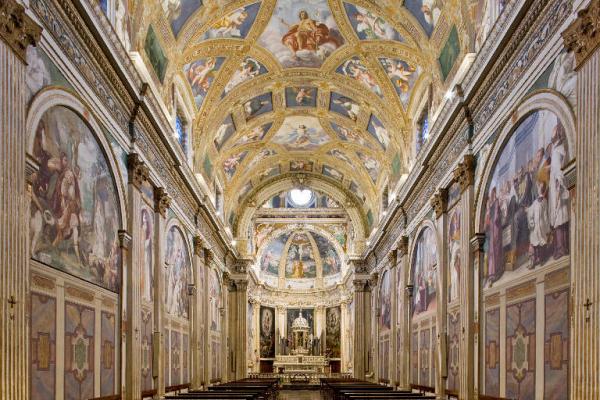
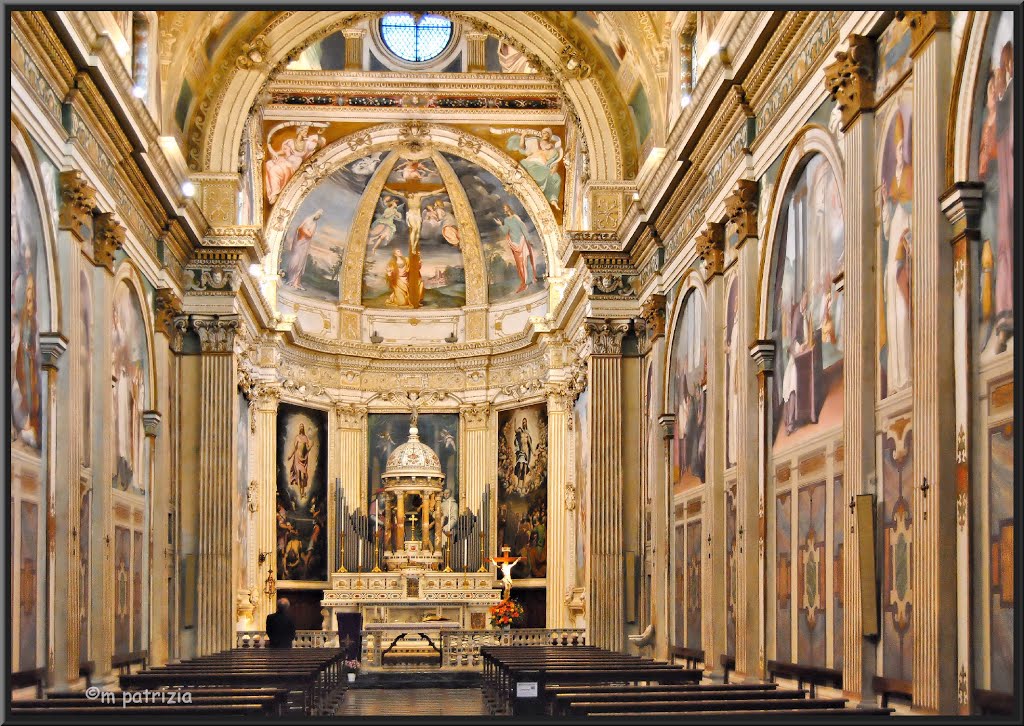
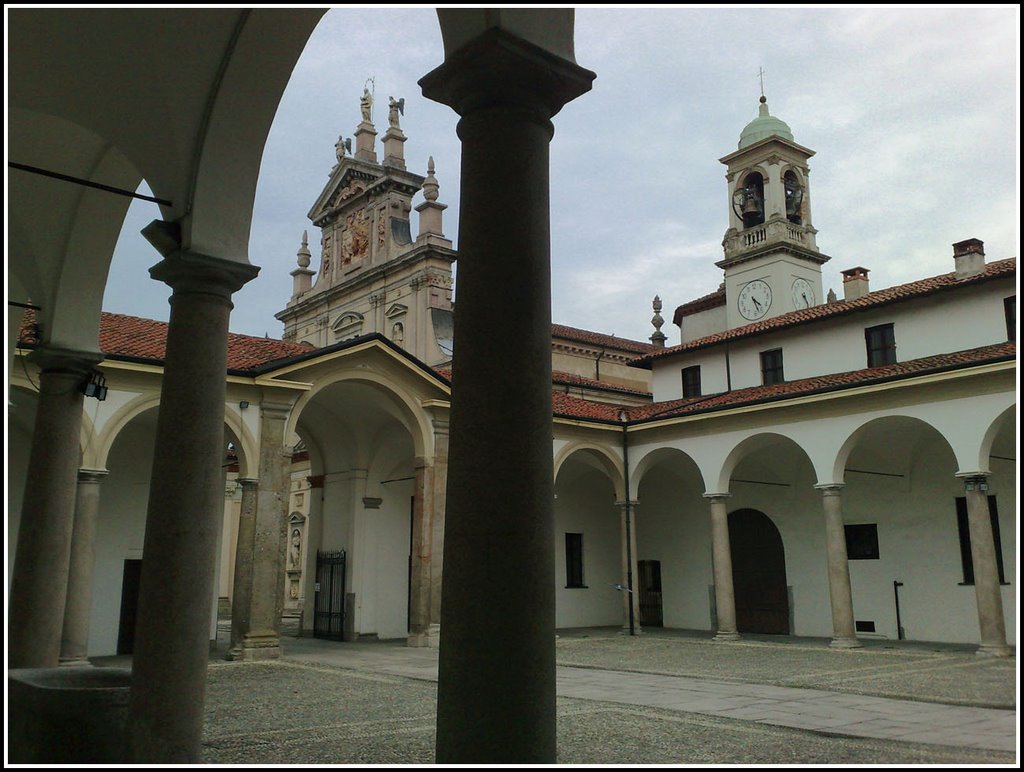
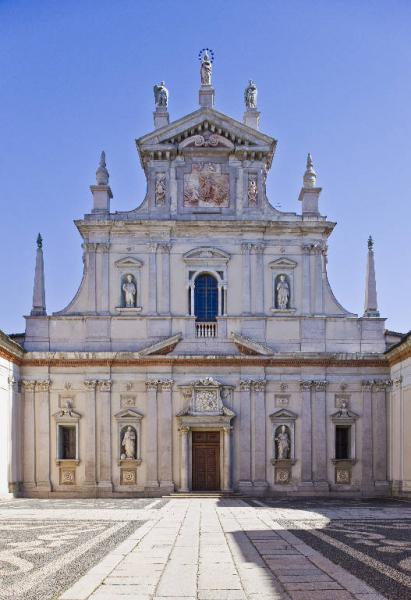
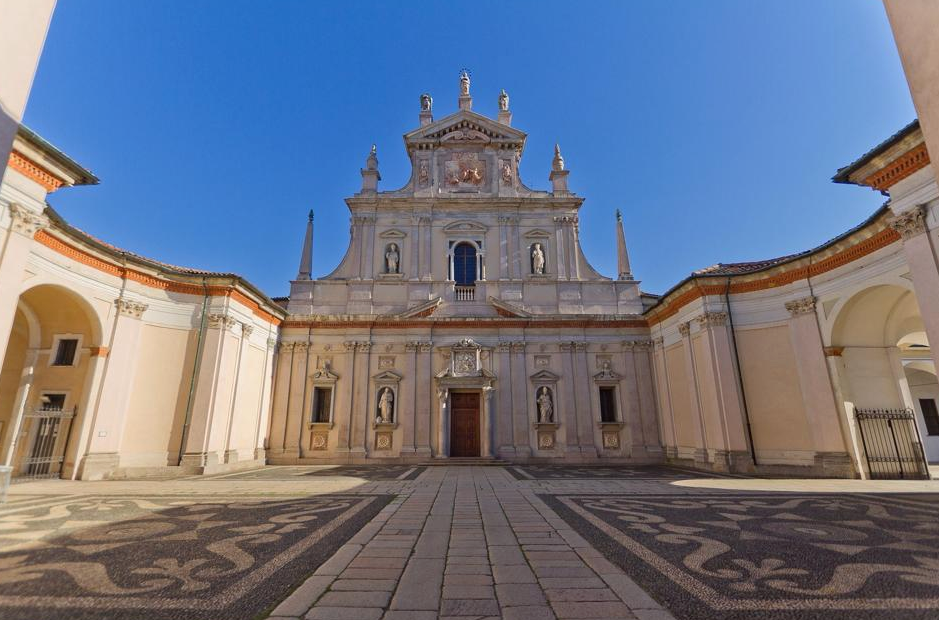
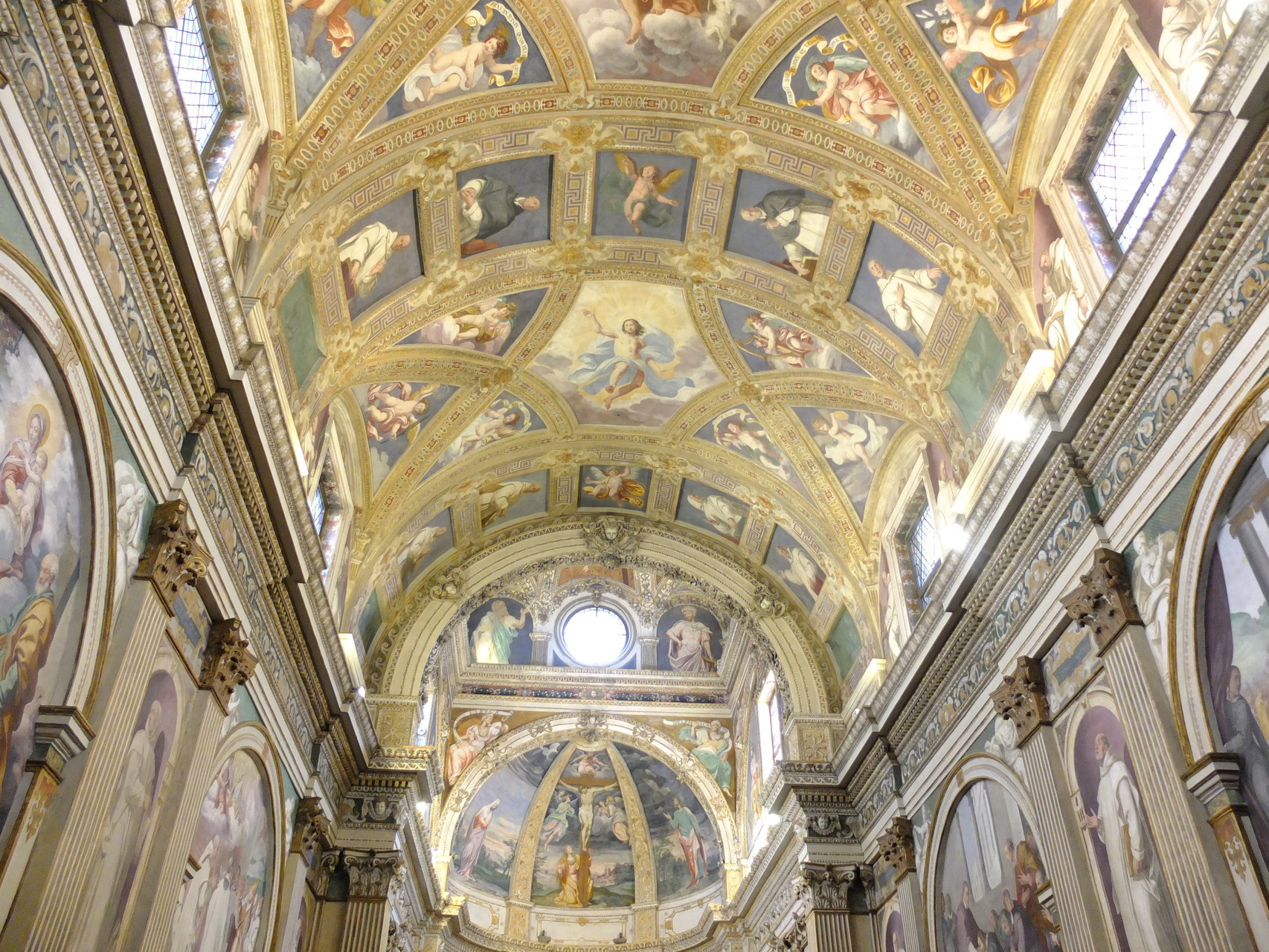
In Garegnano, once a small village in the countryside west of Milan, today a district located between the Maggiore Cemetery and the Lakes freeway, stands the Carthusian monastery of the same name. Of the original Gothic forms of the monastery founded in 1349 by Archbishop Giovanni Visconti to accommodate the Carthusian monks, little has remained after the expansion started at the end of the sixteenth century, perhaps designed by Pellegrino Tibaldi. It is an important building in the history of Milanese art both for the nobility of its forms and for the decorative apparatus with which it is covered. From the portal, through an atrium and an evocative elliptical vestibule enlivened by three exedras, you reach the church with its high front in three orders, with a facade enriched by architectural and decorative elements that enliven the surface. The interior, with a nave flanked by chapels, assumes the characteristic Carthusian planimetric form of a building with an inverted taumata plan, ending with an apsidal presbytery and crowned by an elegant octagonal lantern. The vault of the nave and the walls are embellished by frescoes in shades of gray and violet by Daniele Crespi (1629) that tell stories of Carthusians and St. Brunone, founder of their order. It is said that Lord Byron, fascinated by the frescoes of Crespi, exclaimed: "he is a painter who knows how to make the dead speak. In the presbytery the frescoes are instead by Simone Peterzano (1578 -1582) and in the chapter house and in the chapel on the right by Biagio Bellotti. On the left there is the sacristy. On the right of the temple there is a beautiful late sixteenth-century cloister.
Charterhouse of Garegnano - Milano | Secret World Trip Planner
🗺 L'app dei tesori italiani

Plan your visit to Milano

Suggested itinerary near Charterhouse of Garegnano

MAJ+
500.000+ travelers worldwide
  1. 🌅
    Morning
    Charterhouse of Garegnano
    📍 Milano
  2. ☀️
    Afternoon
    Milan and the Portello Park
    📍 2.2 km · Milano
  3. 🌆
    Evening
    Milan House Museum
    📍 2.4 km · Milano

Buy Unique Travel Experiences

Powered by Viator

See more on Viator.com

Explore nearby · Milano

Frequently Asked Questions

The Carthusian monastery was founded in 1349 by Archbishop Giovanni Visconti to house Carthusian monks. The original Gothic structure was significantly expanded starting at the end of the sixteenth century, possibly under the direction of renowned architect Pellegrino Tibaldi.
The main frescoes in the nave depicting stories of Carthusians and St. Brunone were created by Daniele Crespi between 1629, while Simone Peterzano painted the presbytery frescoes (1578-1582) and Biagio Bellotti contributed works in the chapter house and right chapel. Byron himself was reportedly mesmerized by Crespi's frescoes, calling him a painter who knew how to make the dead speak.
The church features a distinctive inverted taumata floor plan characteristic of Carthusian architecture, with a nave flanked by chapels and crowned by an elegant octagonal lantern. Visitors enter through an evocative elliptical vestibule decorated with three exedras before reaching the interior adorned with frescoes in gray and violet tones.
Garegnano is a district located in the western part of Milan, situated between the Maggiore Cemetery and the Lakes freeway. Once a small village in the countryside, it is now integrated into the urban landscape while still maintaining the historic Charterhouse monastery.
Beyond the church interior, visitors should explore the beautiful late sixteenth-century cloister on the right side of the temple and the sacristy on the left. The monastery's impressive three-tiered facade with architectural and decorative elements is also worth noting as it showcases the nobility of its Renaissance design.