
🎄 Win a month in Italy for two — €10,000 · The Secret Italy Prize GO →
Cascia — Cascia
← Back
Historical Sites 📍 Cascia, Italy 270 views

Cascia

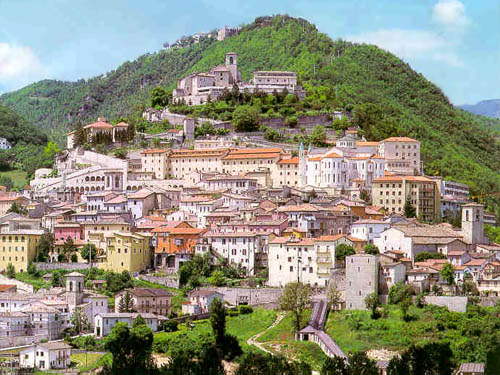
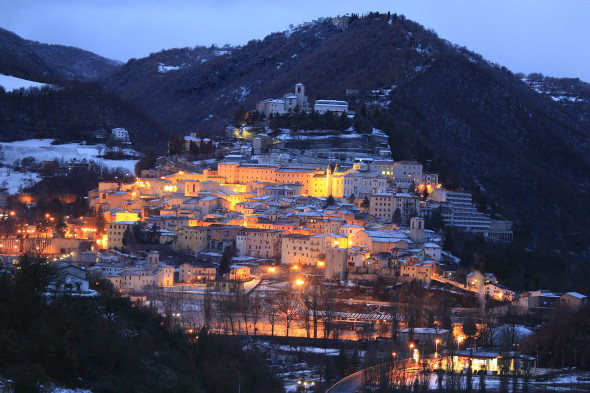
The town of Cascia rises 563 m. above sea level, near the river Corno. Cascia was born during Roman times, although no remains of that era due to the devastation of barbarian peoples and earthquakes that have always devastated the town and surrounding areas. As a large part of Um...

Photo · Annalisa I.

Cascia — Cascia, Italy.

Location
Cascia
Type
Historical Sites
Opening hours
Weather now
↗ Directions

About Cascia

Cascia - Cascia | Secret World Trip Planner

The town of Cascia rises 563 m. above sea level, near the river Corno. Cascia was born during Roman times, although no remains of that era due to the devastation of barbarian peoples and earthquakes that have always devastated the town and surrounding areas.
Cascia - Cascia | Secret World Trip Planner

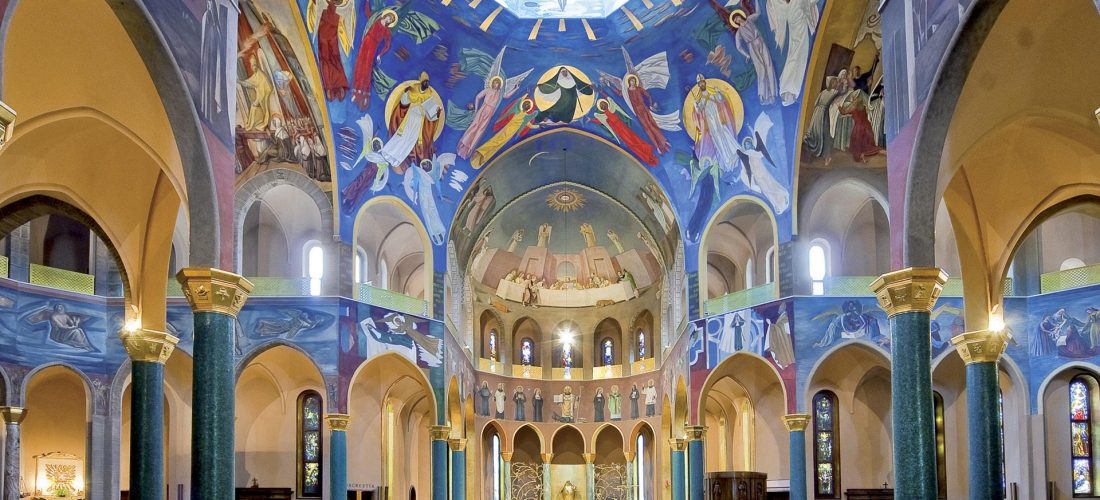
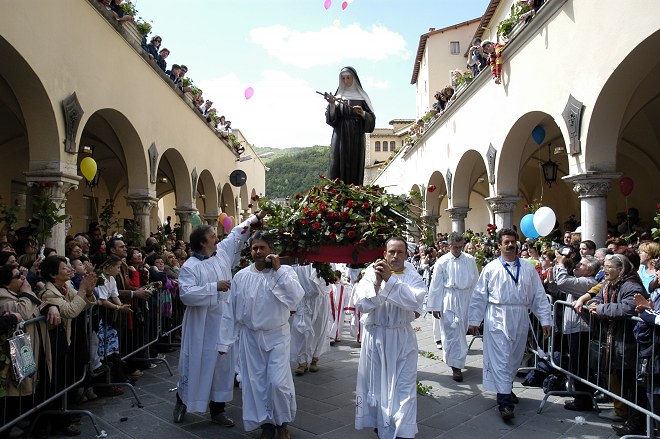
As a large part of Umbrian cities, it is during the Middle Ages that Cascia knows the period of maximum splendor. First under the domination of the lords of Foligno, it later passed under the rule of Frederick II of Swabia, to follow it was contended, unsuccessfully, by the nearby cities of Norcia, Leonessa and Spoleto. Only on the threshold of 1500, it surrendered to the Papal State under whose rule it remained for less than thirty years, since then it has always maintained its independence. In speaking of Cascia, one cannot fail to mention St. Rita; the nun, beatified in 1900, lived between 1381 and 1457. Today the saint, known as a dispenser of graces, is venerated all over the world, and many people go on pilgrimage every year during the Rite Celebrations-Saint Rita of Cascia to the shrine consecrated to her. Especially worth seeing in the town are the jewels of medieval architecture: the Gothic Church of St. Francis, which is striking for the beauty of its rose window and its ogival doorway; the Church of St. Anthony Abbot, originally from the 1400s but renovated and modified in the Baroque era, which has a cycle of canvases on the history of the saint inside. The collegiate church of Santa Maria is one of the oldest buildings in the entire city; it dates back to the Lombard era, although, due to damage in the earthquakes that have characterized the geological history of these lands, it has been considerably modified. Notable works of art can be admired inside, such as the wooden Crucifix from the 1400s. Also from the Gothic period is the Church of St. Augustine, inside which are stupendous examples of frescoes from the Umbrian and Perugia schools. Of considerable historical and religious interest are the Basilica and monastery of St. Rita, true religious centers of world renown. Finally, Palazzo Carli , with its interior, is perhaps the most representative example of the city's civil architecture.
Cascia - Cascia | Secret World Trip Planner
✦ Secret World · suggested day

A perfect day in Cascia

Start with Cascia, then continue with nearby places selected by Secret World.

  1. 01
    Morning
    Cascia
    📍 Cascia
    Start here
  2. 02
    Afternoon
    📍 4 km away
  3. 03
    Evening
    📍 9.8 km away

Collect this place

Turn places you discover into stamps in your Secret Passport.

Open Secret Passport →

Keep exploring

Frequently Asked Questions

Cascia is famous for Saint Rita, a nun who lived from 1381 to 1457 and was beatified in 1900. She is known worldwide as a dispenser of graces, and thousands of pilgrims visit the shrine dedicated to her annually, especially during the Rite Celebrations-Saint Rita of Cascia.
Must-see churches include the Gothic Church of St. Francis with its beautiful rose window and ogival doorway, the Church of St. Anthony Abbot featuring Baroque architecture and canvases depicting the saint's history, and the Church of St. Augustine which contains stunning frescoes from the Umbrian and Perugia schools. The collegiate church of Santa Maria, dating back to the Lombard era, also houses notable 1400s wooden artworks.
Cascia was born during Roman times, though no Roman remains survive due to devastation from barbarian peoples and earthquakes. The town experienced its greatest splendor during the Middle Ages under various rulers including the lords of Foligno and Frederick II of Swabia, before coming under Papal State rule around 1500 and subsequently maintaining its independence.
Cascia is located in Umbria at an elevation of 563 meters above sea level, situated near the river Corno. The town is part of the Umbrian region, which is known for its medieval cities and rich architectural heritage.
Cascia showcases a rich blend of architectural styles including Gothic architecture seen in the Church of St. Francis, Baroque modifications in the Church of St. Anthony Abbot, and Lombard-era foundations in the collegiate church of Santa Maria. The town's churches feature impressive artistic elements such as rose windows, ogival doorways, wooden crucifixes from the 1400s, and frescoes from the Umbrian and Perugia schools.

Experiences nearby · Cascia

Powered by Viator

See more on Viator.com