
← Back

Basilicata: The badlands

75023 Montalbano Jonico MT, Italia ★★★★☆ 178 views
Teresa Galli
Montalbano Jonico
🏆 AI Trip Planner 2026

Get the free app

Discover the best of Montalbano Jonico with Secret World — the AI trip planner with 1M+ destinations. Get personalized itineraries, hidden gems and local tips. Free on iOS & Android.

🧠 AI Itineraries 🎒 Trip Toolkit 🎮 KnowWhere Game 🎧 Audio Guides 📹 Videos
Scan to download iOS / Android
Scan for AppGallery Huawei users

About Basilicata: The badlands

Basilicata: The badlands - Montalbano Jonico | Secret World Trip Planner

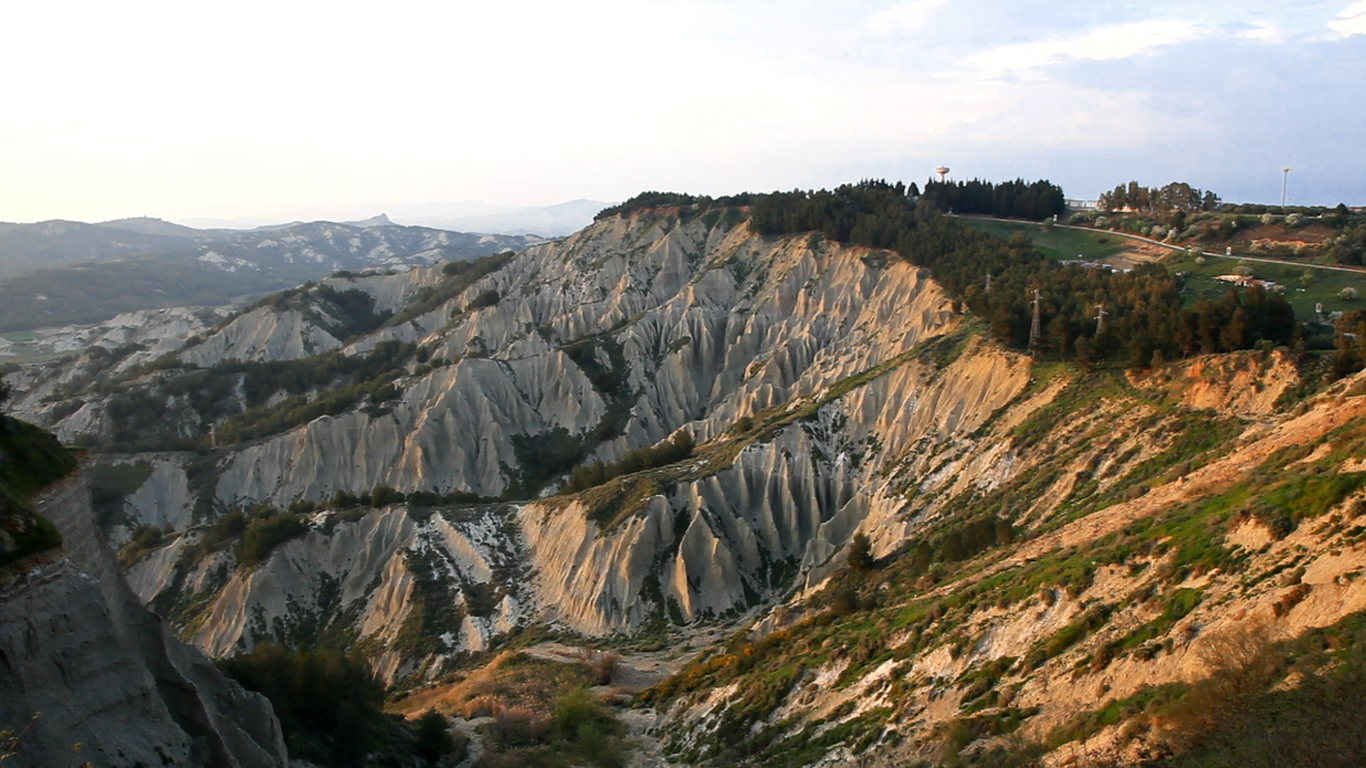
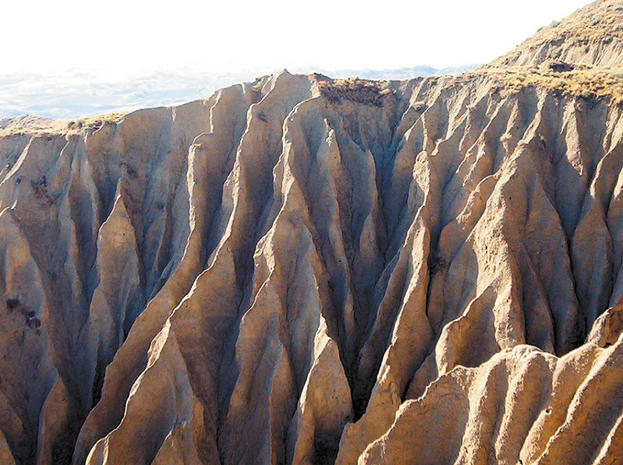
The geological substratum of the gullies area is characterized by the presence of a calcareous basement on which various clay layers mixed with sand and limestone material have been superimposed over time, from the union of which originates an "impasto" easily crumbling. Gullies are an erosive phenomenon that is a consequence, on the one hand, of the aforementioned characteristics of the soil and, on the other hand, of the particular climatic conditions of this area: during the dry summers in these areas, the sun causes the soil to dry out (in fact, gullies are formed mainly on south-facing slopes), which favors the formation of fissures, into which, in the rainy winter months, meteoric water penetrates, causing the ground to break up. Their formation is also affected by the extensive wild logging implemented in these areas between the 1800s and early 1900s. Gullies take on very diverse forms: gully fronts, characterized by a concave shape and marked by innumerable rivulets; mamellonary gullies, small rounded reliefs placed one on top of the other; biancane, small isolated rounded reliefs, which take their name from the presence in summer of a white patina that covers their surface, a consequence of saline exudation; gully ditches, placed next to each other and divided by thin ridges; and knife-edge gullies. Despite the fact that the phenomenon of gullies causes the acceleration of the processes of desertification of the territory and renders vast lands sterile and unusable from an agricultural point of view, the peculiarity and singularity of the phenomenon itself induces the pursuit of its environmental and touristic valorization. Much space, moreover, is found for gullies in literature. Carlo Levi in "Christ è stopped at Eboli" soì describes them: "... and all around other white clay without trees and without grass, dug by the waters in holes, in cones, sores of malignant appearance, like a lunar landscape ..." and again " ... and on all sides there were nothing but precipices of white clay, on which the houses stood as if released into the air". Albino Pierro, a poet from Tursi, dedicates a poem "'A jaramme" to the ravines, and calls his land "a terre de iaramme", the land of ravines, precisely by virtù of the force of the ravines in defining the structure of the landscape of these places.

Basilicata: The badlands - Montalbano Jonico | Secret World Trip Planner
🗺 L'app dei tesori italiani

Plan your visit to Montalbano Jonico

Suggested itinerary near Basilicata: The badlands

MAJ+
500.000+ travelers worldwide
  1. 🌅
    Morning
    Basilicata: The badlands
    📍 Montalbano Jonico
  2. ☀️
    Afternoon
    The gullies: A scenery of rare beauty
    📍 0.5 km · Montalbano Jonico
  3. 🌆
    Evening
    Magna Grecia | National Museum of Siritide
    📍 12 km · Montalbano Jonico

Buy Unique Travel Experiences

Powered by Viator

See more on Viator.com

Explore nearby · Montalbano Jonico

Frequently Asked Questions

Gullies are erosive landforms created by a combination of geological and climatic factors unique to Basilicata. The soil consists of a calcareous basement topped with crumbly clay and limestone layers, which during dry summers crack from sun exposure, then break apart when winter rains penetrate these fissures—a process accelerated by extensive logging in the 1800s and early 1900s.
Summer is ideal to witness the distinctive white biancane formations, which develop a striking white patina across their surface due to saline exudation during the dry season. However, visiting during different seasons allows you to observe how the landscape transforms throughout the year as weather patterns shape these geological formations.
You'll encounter five distinct gully types: gully fronts with concave shapes marked by rivulets, mamellonary gullies appearing as stacked rounded reliefs, biancane (isolated white-topped mounds in summer), gully ditches divided by thin ridges, and knife-edge gullies. Each formation offers a unique geological spectacle across the badlands landscape.
In his famous work 'Christ Stopped at Eboli,' Carlo Levi captured the otherworldly appearance of these badlands, describing them as white clay terrain dug by water into holes and cones with a 'malignant appearance,' like the moon's surface. His literary portrayal highlights how the gullies' stark, barren aesthetic resembles an alien terrain, making them a significant cultural landmark in Italian literature.
Absolutely—while gullies render vast lands sterile and accelerate desertification, the region actively pursues environmental and touristic valorization of these unique formations. The singular beauty and geological significance of these badlands make them a compelling destination for travelers seeking dramatic, otherworldly landscapes and insight into natural erosion processes.