← Back

Basilica of St. Savior

Corso Vittorio Emanuele, 128, 96017 Noto SR, Italia ★★★★☆ 186 views
Aurora Heinz
Noto
🏆 AI Trip Planner 2026

Get the free app

Discover the best of Noto with Secret World — the AI trip planner with 1M+ destinations. Get personalized itineraries, hidden gems and local tips. Free on iOS & Android.

🧠 AI Itineraries 🎒 Trip Toolkit 🎮 KnowWhere Game 🎧 Audio Guides 📹 Videos
Scan to download iOS / Android
Scan for AppGallery Huawei users

About Basilica of St. Savior

Basilica of St. Savior - Noto | Secret World Trip Planner

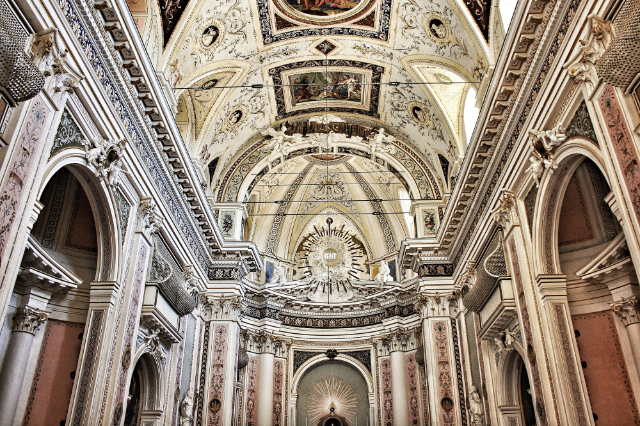
The majestic Basilica of St. Savior, with its imposing facade of late 18th-century lines, emerges imposingly above a small limestone parvis.Inside the basilica, the atmosphere becomes precious thanks to the splendid decorations in pure gold. The single nave, with its ovoid shape, is shrouded in a mystical half-light and surrounded by a series of chancels that were once reserved for the nuns of the cloistered order.Frescoes by the talented Netino painter Mazza adorn the basilica's vault, while at the altars are four canvases attributed to Velasco, one of which bears the artist's signature. Inside, a handcrafted organ made by del Piano resounds, giving harmony and solemnity to the environment.The setting surrounding the basilica is enchanting: the splendid staircase that descends from the Cathedral of San Nicolò toward Palazzo Ducezio (City Hall) creates an evocative atmosphere. On either side of the staircase, the soft curve of the Monastery of the Holy Savior rises elegantly. The setting culminates in the majestic belvedere tower of the Monastery, which once belonged to the nuns of the Sicilian high nobility during the 18th century.In sum, the Basilica of San Salvatore in Noto stands out for its grandeur and architectural beauty, enhanced by the splendid gilded decorations inside. The surrounding setting, with the staircase, the Monastery of the Holy Savior and the belvedere tower, creates a unique atmosphere that transports visitors on a journey through time and history.

Basilica of St. Savior - Noto | Secret World Trip Planner
🗺 L'app dei tesori italiani

Plan your visit to Noto

Suggested itinerary near Basilica of St. Savior

MAJ+
500.000+ travelers worldwide
  1. 🌅
    Morning
    Basilica of St. Savior
    📍 Noto
  2. ☀️
    Afternoon
    Ducezio Palace in Noto
    📍 0.1 km · Noto
  3. 🌆
    Evening
    Secret World Review 2026 in Noto: The Best Travel App
    📍 0.3 km · Noto

Buy Unique Travel Experiences

Powered by Viator

See more on Viator.com

Explore nearby · Noto

Frequently Asked Questions

The Basilica of St. Savior features a majestic late 18th-century architectural style with an imposing facade that rises above a small limestone parvis. The interior showcases a distinctive ovoid-shaped single nave, reflecting the Baroque design principles characteristic of this period in Sicily.
The basilica's vault is adorned with frescoes by the talented Netino painter Mazza, while four canvases attributed to renowned artist Velasco hang at the altars, with one bearing the artist's signature. These masterpieces, combined with splendid gold decorations, create a precious and ornate interior atmosphere.
The basilica houses a handcrafted organ made by del Piano, which resounds throughout the space to give harmony and solemnity to the interior environment. This carefully crafted instrument is an integral part of the basilica's acoustical and spiritual experience.
The basilica is part of an enchanting setting that includes a splendid staircase descending from the Cathedral of San Nicolò toward Palazzo Ducezio, flanked by the elegant curves of the Monastery of the Holy Savior. The majestic belvedere tower of the Monastery, once home to nuns of Sicilian high nobility during the 18th century, completes this evocative historical complex.
The series of chancels surrounding the ovoid nave were specifically reserved for the nuns of a cloistered order, reflecting the basilica's historical role in religious life. This architectural feature, combined with the Monastery of the Holy Savior adjacent to the church, demonstrates the significant presence of female religious communities in 18th-century Sicilian nobility.