
🎄 Win a month in Italy for two — €10,000 · The Secret Italy Prize GO →
Basilica of San Vitale — Ravenna
← Back
Religious places 📍 Ravenna, Italy 306 views

Basilica of San Vitale

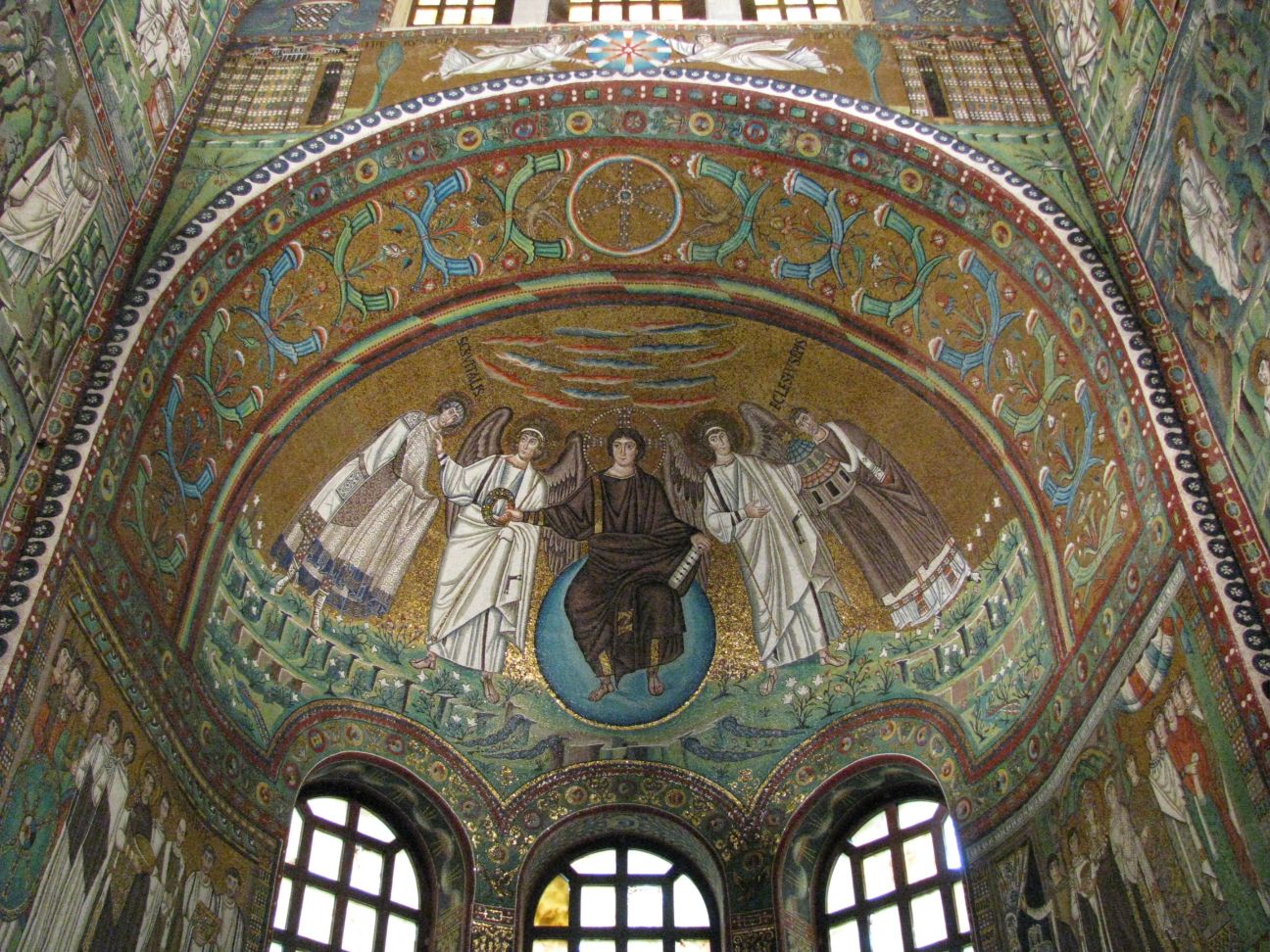
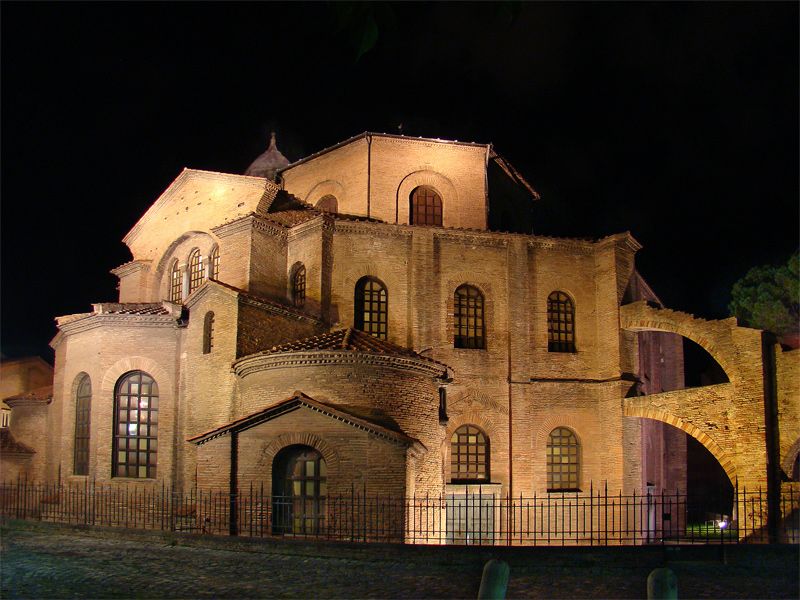
The Basilica of San Vitale is one of the most important monuments of early Christian art in Italy, especially for the beauty of its mosaics. Founded by Julian Argentario by order of Bishop Ecclesius, the octagonal basilica was consecrated in 548 by Archbishop Maximian. Eastern in...

Photo · Marilena D.

Basilica of San Vitale — Ravenna, Italy.

Location
Ravenna
Type
Religious places
Opening hours
Weather now
↗ Directions

About Basilica of San Vitale

Basilica of San Vitale - Ravenna | Secret World Trip Planner

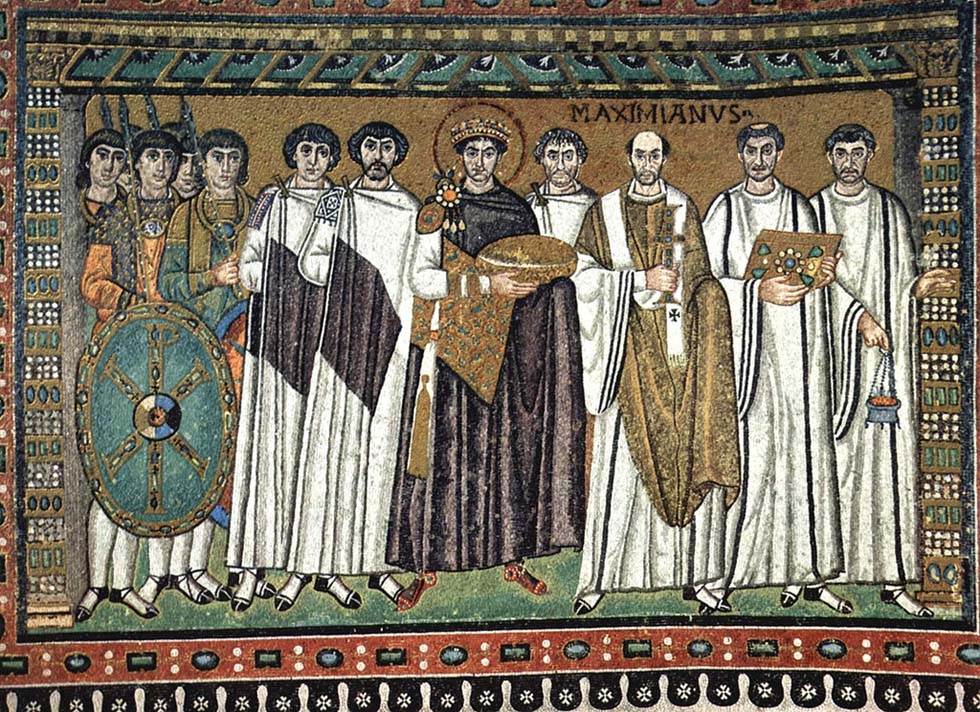
The Basilica of San Vitale is one of the most important monuments of early Christian art in Italy, especially for the beauty of its mosaics. Founded by Julian Argentario by order of Bishop Ecclesius, the octagonal basilica was consecrated in 548 by Archbishop Maximian.
Basilica of San Vitale - Ravenna | Secret World Trip Planner

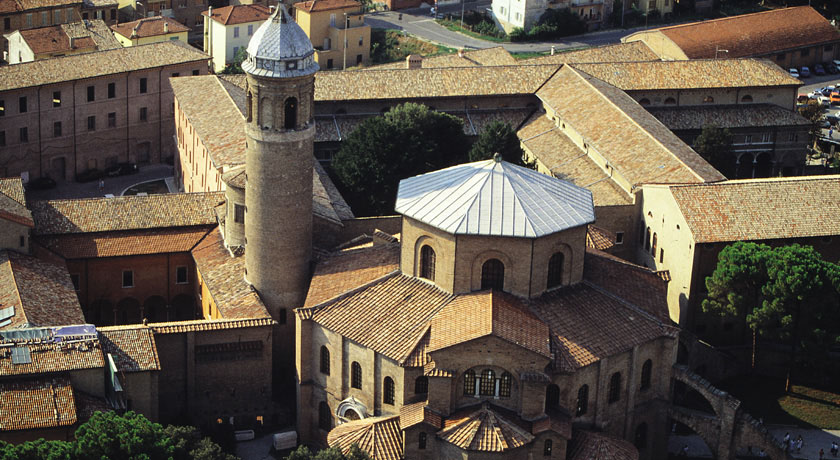
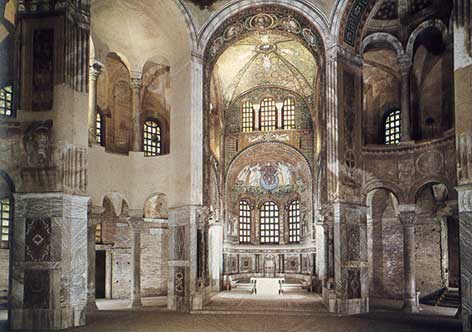
Eastern influence, always present in Ravenna architecture, takes a dominant role here both from an architectural point of view, as it blends elements of Eastern and Western traditions, and of the mosaic decoration, which clearly expresses the ideology and religiosity of the Justinian era. The three-aisled basilica is replaced by a central core with an octagonal plan, surmounted by a dome and resting on eight pillars and arches. The dome and niches were frescoed in 1780 by the Bolognese Barozzi and Gandolfi and the Venetian Guarana.

When one enters the basilica of San Vitale, the eye is captured by the high spaces, the stupendous mosaic decorations of the apse, and the large volumes and Baroque frescoes of the dome. Perhaps because of this upward tension one does not notice a small, lesser-known jewel. In the chancel, directly opposite the altar, a labyrinth is depicted on one side of the octagonal floor. Small arrows start from the center and through a winding pre-course head toward the center of the Basilica. In early Christianity, the labyrinth was often used as a symbol of sin and the path to purification. Finding the way out of the labyrinth is an act of rebirth. Once you have completed the labyrinth path on the floor of San Vitale you can look up at the altar and contemplate the mosaics, which are among the most beautiful in Christendom.
Basilica of San Vitale - Ravenna | Secret World Trip Planner
✦ Secret World · suggested day

A perfect day in Ravenna

Start with Basilica of San Vitale, then continue with nearby places selected by Secret World.

  1. 01
    Morning
    Basilica of San Vitale
    📍 Ravenna
    Start here
  2. 02
    Afternoon
    📍 0.1 km away
  3. 03
    Evening
    📍 0.1 km away

Collect this place

Turn places you discover into stamps in your Secret Passport.

Open Secret Passport →

Keep exploring · Ravenna

Frequently Asked Questions

The mosaics at San Vitale are among the most beautiful in Christendom and are particularly renowned for expressing the ideology and religiosity of the Justinian era. They blend Eastern and Western artistic traditions, showcasing Eastern influence that was dominant in Ravenna architecture, making them essential examples of early Christian art in Italy.
The octagonal basilica was founded by Julian Argentario by order of Bishop Ecclesius and was consecrated in 548 by Archbishop Maximian. This makes it a significant monument from the early Christian period in Italy.
The labyrinth depicted on the octagonal floor in the chancel opposite the altar is an early Christian symbol of sin and the path to purification. Walking through the labyrinth's winding path from the center represents an act of rebirth and spiritual cleansing.
The basilica features an octagonal plan with a central core topped by a dome, resting on eight pillars and arches, replacing the traditional three-aisled basilica design. This innovative architecture blends Eastern and Western traditions and is a distinctive example of early Christian design influenced by Eastern influences present in Ravenna.
The dome and niches were frescoed in 1780 by renowned artists including the Bolognese painters Barozzi and Gandolfi, as well as the Venetian painter Guarana. These later Baroque frescoes complement the spectacular mosaic decorations and contribute to the impressive visual experience when entering the basilica.

Experiences nearby · Ravenna

Powered by Viator

See more on Viator.com