
← Back

Tindari Archaeological Park

98066 Tindari ME, Italia ★★★★☆ 262 views
Lucy Serendipity
Tindari
🏆 AI Trip Planner 2026

Get the free app

Discover the best of Tindari with Secret World — the AI trip planner with 1M+ destinations. Get personalized itineraries, hidden gems and local tips. Free on iOS & Android.

🧠 AI Itineraries 🎒 Trip Toolkit 🎮 KnowWhere Game 🎧 Audio Guides 📹 Videos
Scan to download iOS / Android
Scan for AppGallery Huawei users

About Tindari Archaeological Park

Tindari Archaeological Park - Tindari | Secret World Trip Planner

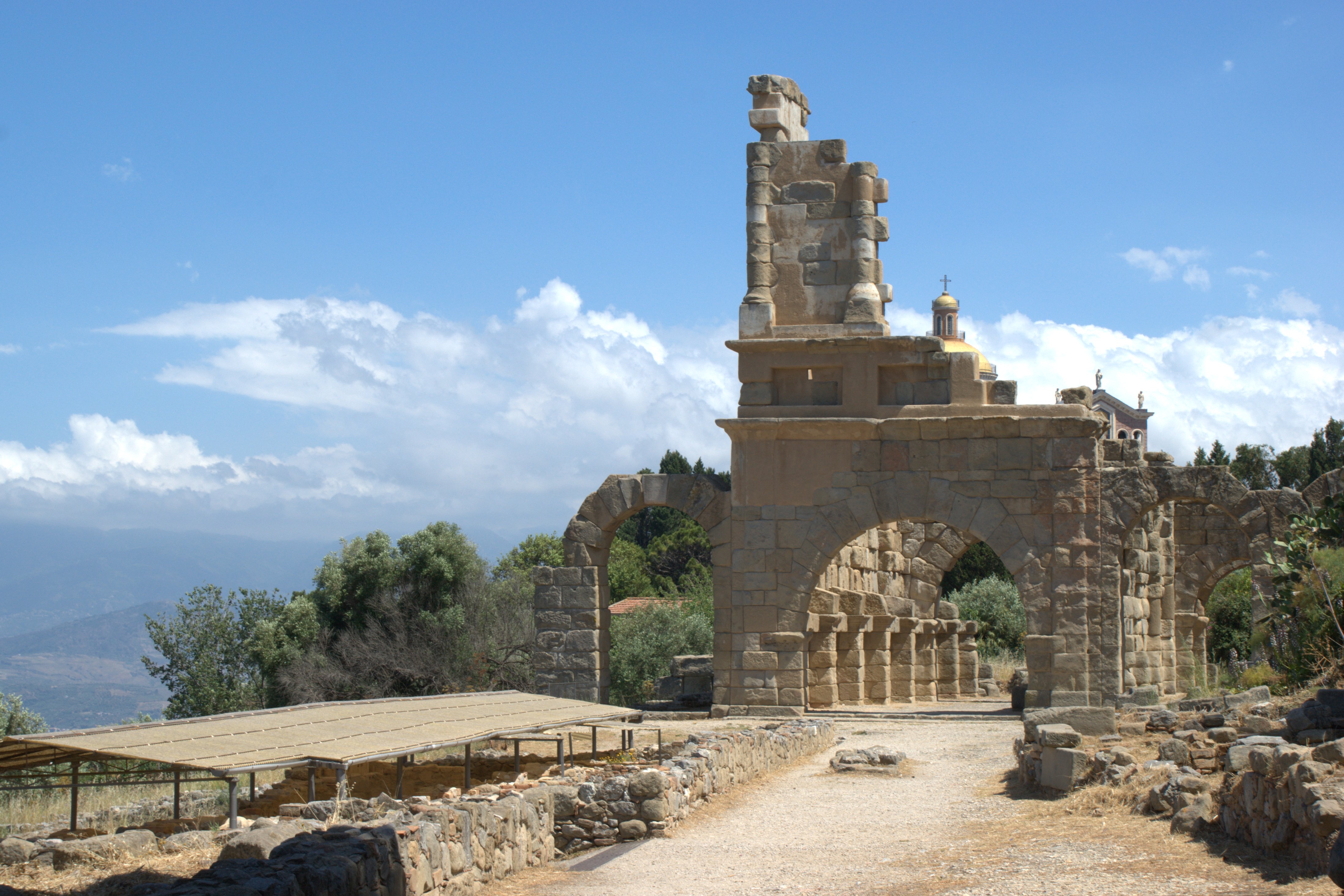
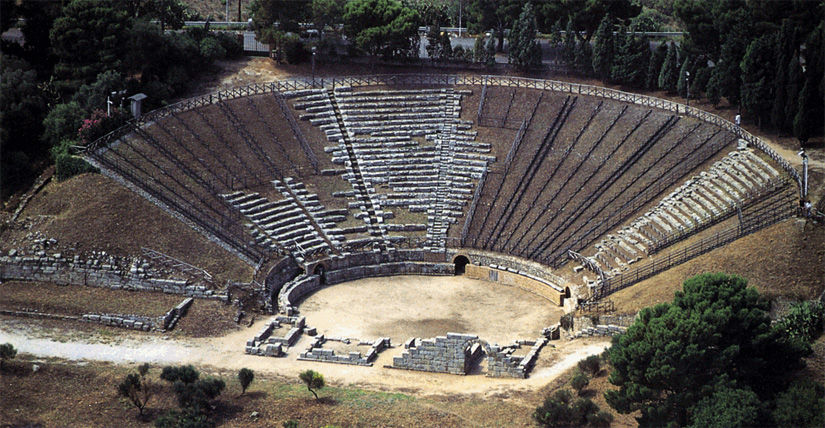
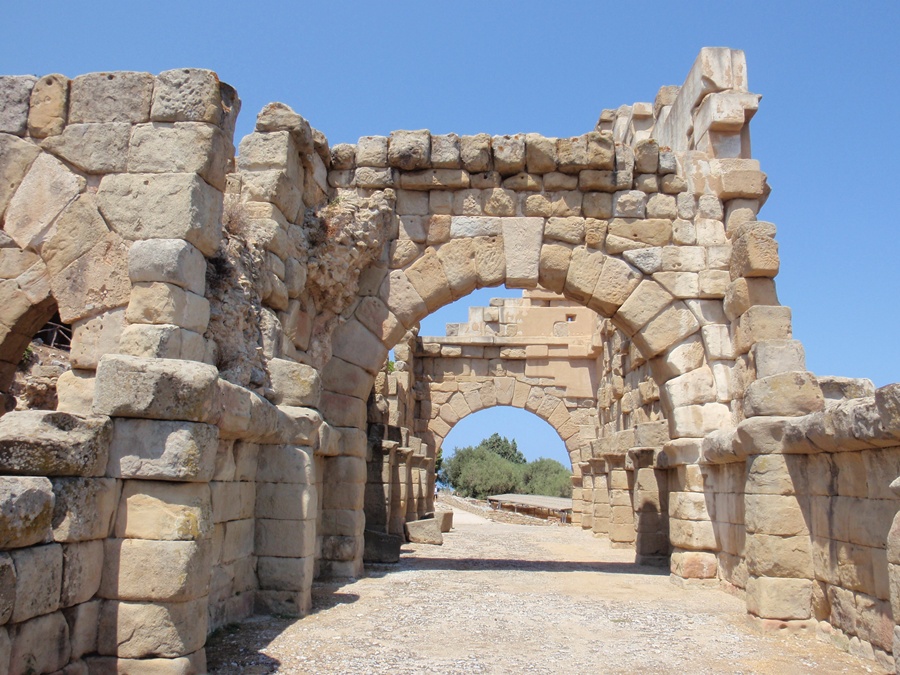
The Greek city of Tyndaris was founded by Dionysius of Syracuse around 396 B.C. in a strip of the territory of ancient Abacaenum in a formidable strategic position, already the site of a Bronze Age settlement (facies of Rodì-Tindari-Vallelunga); subjected to Rome after 257, it experienced a flourishing development to which alternated moments of crisis, until it was destroyed by the Arabs in 836 A.D. Explored and studied as early as the 18th and 19th centuries, it was the subject of systematic investigations and demanding restoration work from the postwar period to the 1970s, under the direction of L. Bernabò Brea and M. Cavalier and with the collaboration of N. Lamboglia of the Institute of Ligurian Studies. THE WALLS. The walls, of which conspicuous sections were brought to light in 1955-56 (F. Barreca, N. Lamboglia) constitute, also because of their good preservation, one of the most impressive complexes of fortifications in Greek Sicily. Crossed by posterns, they are interrupted by the grandiose defensive arrangements of the main city gate, which opened at the bottom of a semicircular tong, protected by two large towers. THE THEATRE. Built in Greek times, probably during the 4th century B.C.E., and extensively modified in the imperial age, the theater of Tindari is set in a scenic position, with the cavea facing the sea. It was the subject of two challenging restoration campaigns in 1938 (G. Cultrera) and between '60 and '66 (L. Bernabò Brea). THE BASILICA. The monument traditionally known as the "Gymnasium or Basilica" is actually a monumental propylaeum of the great agora that constituted the center of city life. The entire downstream wall of the great gallery, which collapsed before the Byzantine period but whose blocks had remained in regular arrangement on the slope, was raised in 1956, as was the front of the propylaeum toward the theater, of whose arches most of the blocks could be found. THE URBAN LAYOUT Between 1949 and 1956 excavations made in the urban area made it possible to recognize the basic lines of the layout, consisting of large parallel streets (decumani) intersected orthogonally by smaller streets on a steep slope (cardines).
Tindari Archaeological Park - Tindari | Secret World Trip Planner

INSULA IV The excavation of insula IV was conducted in the years 1950-1955 by D. Restagno and M. Cavalier (note - courses before D. Restagno) . The insula lies on a steep slope and consists of a series of distinct buildings. On the lowest terrace, at the level of the lower decumanus, is a series of six tabernae. On the next terrace lies a dwelling house equipped with a large square courtyard-peristyle with a median garden and cistern on which the tablinum opened. Finally, the uppermost part of the insula was occupied by a single bath building with beautiful mosaic pavement , which extended over two consecutive terraces set at a slight slope. (luigi Bernabò Brea)

Tindari Archaeological Park - Tindari | Secret World Trip Planner
🗺 L'app dei tesori italiani

Plan your visit to Tindari

Suggested itinerary near Tindari Archaeological Park

MAJ+
500.000+ travelers worldwide
  1. 🌅
    Morning
    Tindari Archaeological Park
    📍 Tindari
  2. ☀️
    Afternoon
    Sanctuary of the Madonna del Tindari
    📍 0.1 km · Tindari
  3. 🌆
    Evening
    Greek-Roman Theatre of Tindari - Sicily
    📍 0.1 km · Tindari

Buy Unique Travel Experiences

Powered by Viator

See more on Viator.com

Explore nearby · Tindari

Frequently Asked Questions

Tyndaris was founded around 396 B.C. by Dionysius of Syracuse in a strategically important location that had been inhabited since the Bronze Age. The city flourished under Roman rule after 257 B.C. until it was destroyed by Arab forces in 836 A.D.
The park features impressive fortification walls with defensive towers and posterns discovered in 1955-56, a beautifully preserved Greek theater from the 4th century B.C. overlooking the sea, and the monumental Basilica (propylaeum) that served as the entrance to the city's central agora. All three structures showcase the site's well-preserved archaeological remains and have undergone significant restoration work.
The site underwent systematic excavations and demanding restoration from the post-war period through the 1970s under directors L. Bernabò Brea and M. Cavalier. Key restoration campaigns included work on the theater in 1938 and again between 1960-1966, while major sections of the walls and the Basilica were reconstructed in 1955-1956.
Yes, the theater is one of the most impressive structures at the site, featuring a scenic position with the cavea facing the sea and having undergone extensive restoration in the 1960s. It was originally built during the 4th century B.C.E. and later modified during the Roman imperial period, making it a remarkable example of ancient theatrical architecture.
The walls constitute one of the most impressive complexes of fortifications in Greek Sicily, with conspicuous sections well-preserved and featuring intricate defensive arrangements including posterns and two large protective towers flanking the grandiose main city gate. Their excellent preservation state makes them an exceptionally valuable example of Greek military architecture.