





Standing majestically against the backdrop of the Bay of Bengal, the Sun Temple at Konark is not just a religious edifice; it is a breathtaking testament to ancient Indian architecture and devotion. This UNESCO World Heritage Site, often revered as one of the seven wonders of India, was constructed in 1255 C.E. during the reign of the Eastern Ganga dynasty, under the patronage of King Narasingha Deva I. The temple, dedicated to the Sun god Surya, was designed to resemble a colossal chariot, symbolizing the divine journey across the sky.

The temple’s history is as rich as its artistry. It is said that the temple was built to commemorate a naval victory and serves as a symbol of the maritime prowess of the Ganga dynasty. Over the centuries, the Sun Temple has witnessed the passage of time, with its intricate carvings and architectural grandeur standing as a testament to the skill and ingenuity of its creators. However, the temple has faced challenges, including natural disasters and neglect, leading to its gradual deterioration. Despite this, its essence remains intact, captivating the hearts of visitors from around the globe.
The architectural brilliance of the Sun Temple is best appreciated through its unique design, which features twelve pairs of intricately carved stone wheels and a team of seven horses. Each wheel is a masterpiece in itself, symbolizing the passage of time and showcasing detailed carvings of gods, goddesses, and celestial beings. The entire structure is oriented such that the first rays of the sunrise illuminate its principal entrance, a magnificent example of ancient Indian engineering.
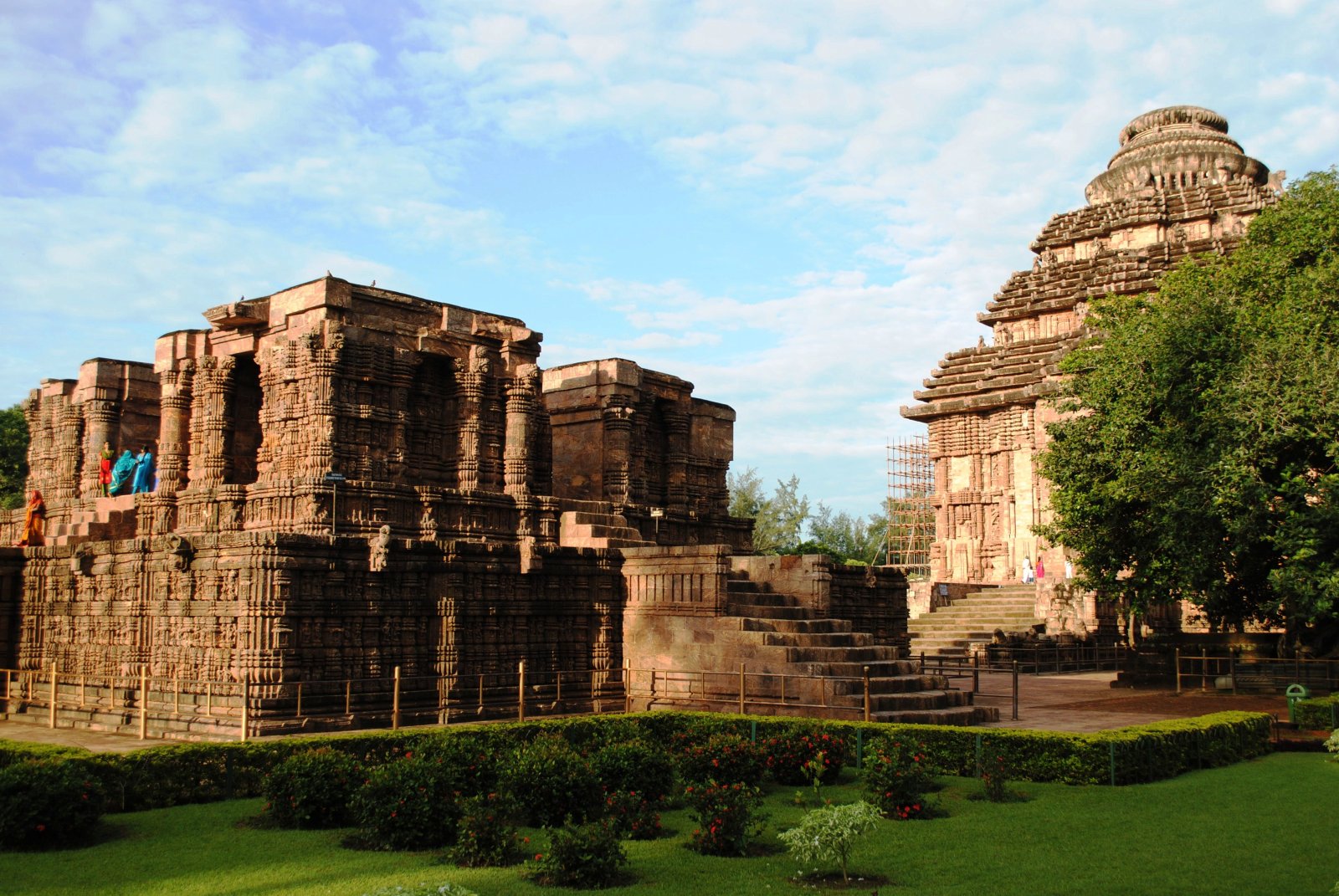
The temple exemplifies the Kalinga style of architecture, characterized by towering spires, elaborate sculptures, and meticulous attention to detail. The façade is adorned with intricate reliefs depicting scenes from Hindu mythology, daily life, and even erotic sculptures that celebrate human beauty and emotion. This artistic expression not only reflects the spiritual beliefs of the time but also provides insight into the social and cultural fabric of 13th-century India.
The cultural significance of Konark transcends the temple itself. The local traditions and customs are deeply intertwined with the temple’s legacy. Chandrabhaga Mela, held annually in February, attracts pilgrims who come to pay homage to the Sun god and partake in the rituals that celebrate the bounty of nature. The festival features traditional music, dance, and a vibrant display of local crafts.
In addition to this, the region is home to various folk dances and art forms, with local artisans continuing to practice traditional crafts such as stone carving and weaving, reminiscent of the skills that went into creating the temple itself. Visitors can engage with the local culture through these art forms, gaining a deeper appreciation for the heritage that surrounds this magnificent site.
No exploration of Konark would be complete without indulging in its gastronomy. The culinary landscape is as vibrant as its culture, with local dishes that reflect the flavors of Odisha. Don't miss out on Pakhala Bhata, a fermented rice dish often enjoyed with fried or mashed vegetables, particularly popular during the summer months. Another local delight is Machha Jhola, a spicy fish curry that showcases the region’s abundant seafood. For dessert, Rasabali—a sweet made from flattened rice and soaked in rich, creamy syrup—offers a delicious conclusion to any meal.
Amidst the well-trodden paths of tourists, several lesser-known curiosities about the Sun Temple often go unnoticed. For instance, the temple was originally adorned with gold, which has long since been lost to history. Moreover, legends abound regarding the temple’s design; one tale speaks of a celestial architect named Vishwakarma who was summoned to create its intricate carvings. Additionally, the temple was once home to a magnificent idol of Surya made of pure gold, which was said to shine brilliantly, guiding sailors at sea.
When planning your visit to the Sun Temple, the best time is between October and March, when the weather is more temperate and conducive to exploration. Early morning visits are particularly enchanting, with the soft glow of sunrise illuminating the temple's stunning architecture. Be sure to take your time wandering through the surrounding gardens, where you can appreciate the temple from various angles and capture breathtaking photographs.
Don’t forget to wear comfortable shoes, as the temple’s grounds invite you to explore at your leisure. Look for the lesser-known sculptures hidden in alcoves and the intricate carvings that tell stories of ancient lore. Engaging with local guides can also enhance your understanding of the site’s profound history and significance.
As you immerse yourself in the beauty and history of the Sun Temple, consider using the Secret World app to plan a tailored itinerary that captures the essence of Konark and its surroundings.