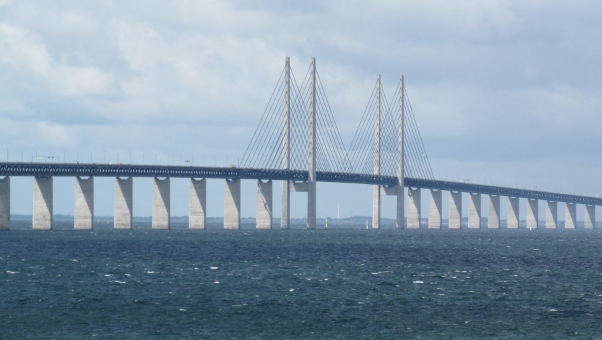

Stretching elegantly across the blue waters of the Øresund strait, the Oresund Bridge is a masterwork of modern engineering and a symbol of connectivity between Sweden and Denmark. Just a 15-minute drive from the heart of Malmö, this combined railway and motorway bridge is a marvel that has transformed travel and cultural exchange in the region.

The story of the Oresund Bridge begins with a vision of bridging nations, a concept that traces back to the early 20th century. However, it wasn't until the late 1990s that the idea began to materialize into reality. Officially opened on July 1, 2000, by King Carl XVI Gustaf of Sweden and Queen Margrethe II of Denmark, the bridge has since become a vital artery for both countries. The ambitious project was not just an engineering feat but also a political and economic collaboration that marked a new era of Scandinavian unity.
Architecturally, the Oresund Bridge stands as a testament to modern design and functionality. Spanning nearly 8 kilometers, it seamlessly transitions into the Drogden Tunnel on the Danish side. This unique combination allows for uninterrupted travel across both land and sea. Designed by the Danish architect George K.S. Rotne, the bridge features tall pylons and sleek lines that complement the surrounding landscape. The central cable-stayed span, supported by two 204-meter-high towers, is a striking visual element that draws the eye from miles away.
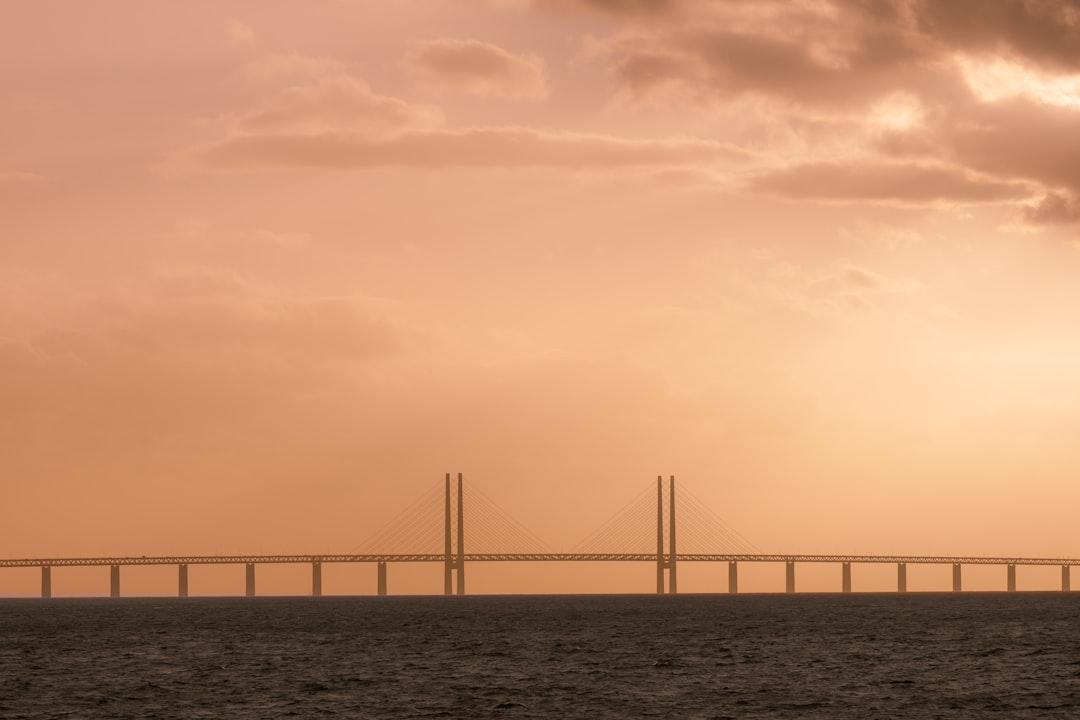
The bridge's artistic significance extends beyond its physical structure. It has inspired numerous cultural works, including the popular Nordic noir television series "Bron/Broen," which highlights the bridge as a central theme. For locals and artists alike, the Oresund Bridge represents more than just a means of transportation; it is a symbol of the seamless blend of modernity and tradition.
The cultural impact of the Oresund Bridge on the region is profound. It has facilitated a vibrant exchange of ideas and traditions between Skåne in Sweden and Zealand in Denmark. Festivals such as the Malmö Festival celebrate this cross-cultural connection, offering a medley of music, art, and cuisine that reflects the shared heritage of the two nations. The bridge has also played a crucial role in fostering a commuter culture, with thousands crossing daily for work and leisure.
Gastronomy in the Øresund region is a delightful fusion of Swedish and Danish flavors. In Malmö, you can savor traditional Swedish dishes like smörgåsbord and fresh seafood, while Copenhagen offers its renowned smørrebrød and innovative New Nordic cuisine. Local specialties such as herring prepared in various styles and Danish pastries provide a culinary journey that is as diverse as it is delicious.
Hidden beneath the bridge's impressive exterior are lesser-known curiosities that add to its allure. The artificial island Peberholm, created from material dredged during construction, is a fascinating ecological experiment. This uninhabited island serves as a sanctuary for wildlife, hosting over 500 species of plants and numerous bird species, making it a unique spot for nature enthusiasts.
For those planning to visit, the Oresund Bridge is best experienced during the long days of summer when the sun bathes the strait in golden light. Early morning or late afternoon journeys offer stunning views and the chance to capture photographs of the bridge against dramatic skies. Consider purchasing a combined train ticket from Malmö to Copenhagen for a seamless and scenic journey.
As you travel across, take a moment to pause at the Øresund Bridge Exhibition Center near Lernacken on the Swedish side. Here, you can delve deeper into the history and engineering marvel of the bridge. Whether you're a history buff, an architecture aficionado, or simply a curious traveler, the Oresund Bridge promises a journey of discovery across not just waters, but cultures and histories intertwined.