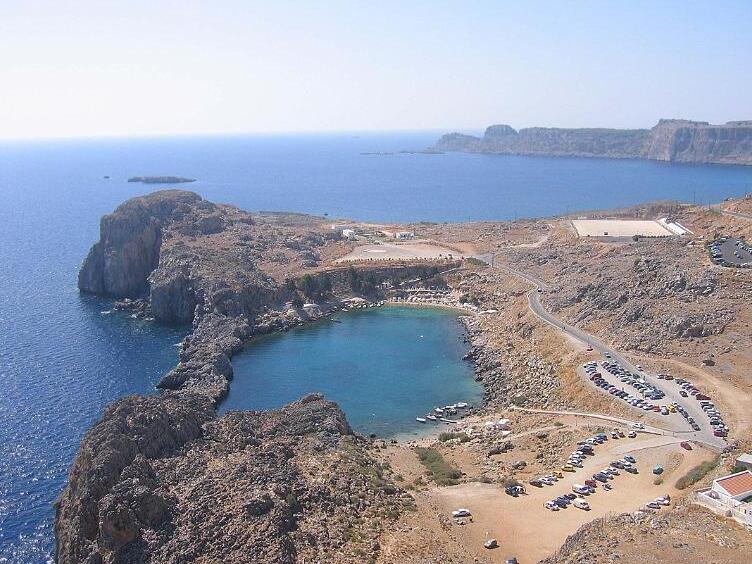

Nestled on the southeastern edge of the Island of Rhodes, St Paul's Bay is a captivating blend of history, culture, and natural beauty. This enchanting cove, framed by rugged cliffs and crystalline waters, is not just a haven for sun-seekers but a living testament to the rich tapestry of Greek antiquity and modern charm.
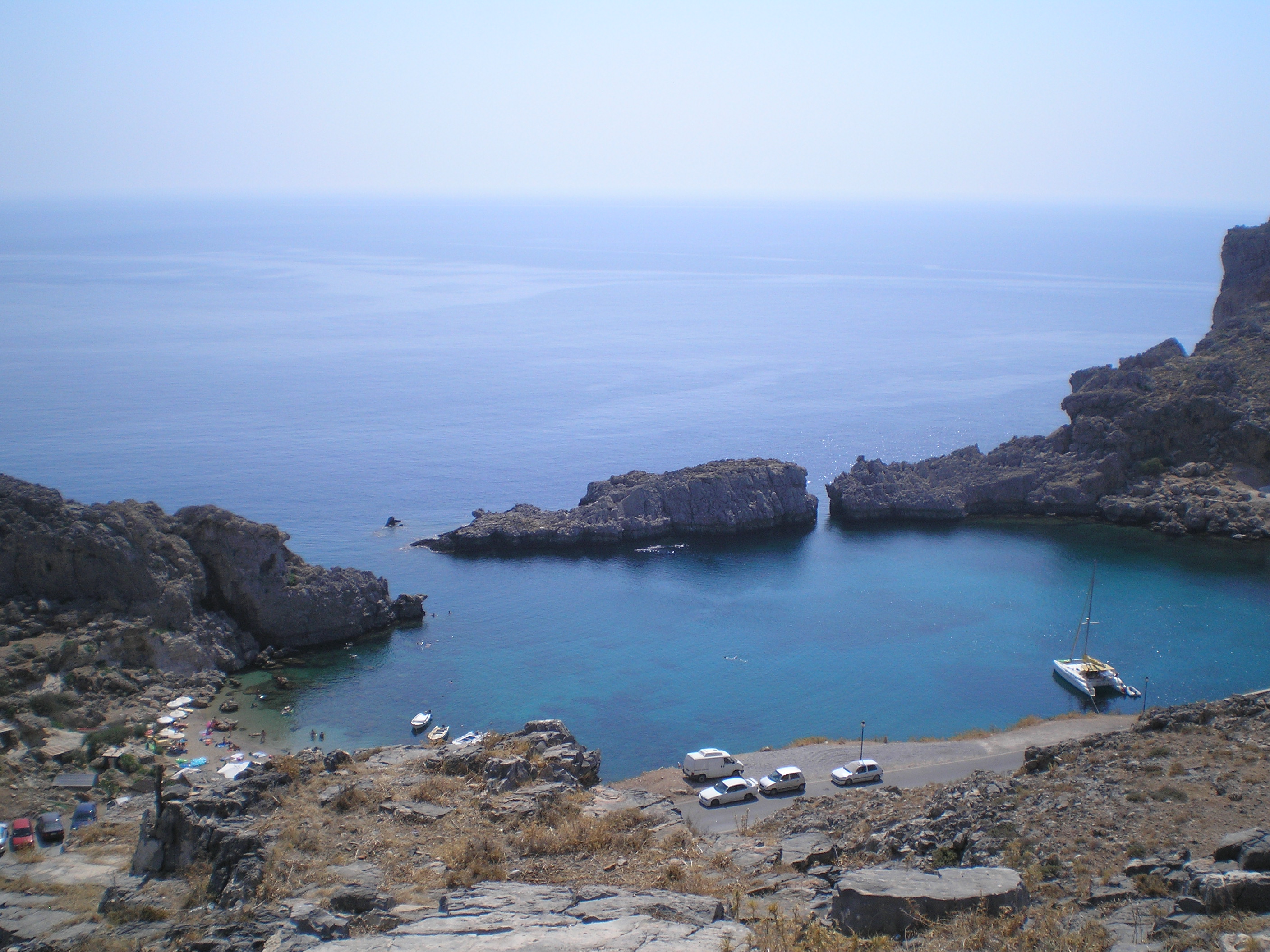
The bay's history is as deep as its azure waters. According to local lore, St Paul himself landed here during one of his missions, lending the bay its name and spiritual significance. The island's strategic position in the Aegean Sea has made it a coveted prize throughout the centuries. From the ancient Greeks to the Knights of St John, and later the Ottomans, each era has left an indelible mark on the area. The nearby town of Lindos is a historic gem, with its Acropolis offering panoramic views and insights into the island's ancient past, including temples dedicated to Athena Lindia dating back to the 4th century BC.
Architecturally, St Paul's Bay and its surroundings reflect a melange of influences. The Church of St Paul, a quaint white chapel perched on the bay's edge, exemplifies the simplicity and elegance of Greek ecclesiastical architecture. Its whitewashed walls and blue-domed roof are quintessentially Greek, offering a serene spot for contemplation and weddings. The town of Lindos, just a stone's throw away, showcases traditional Dodecanese architecture, with its whitewashed, cubic houses and intricate pebble mosaic courtyards known as chochlaki.
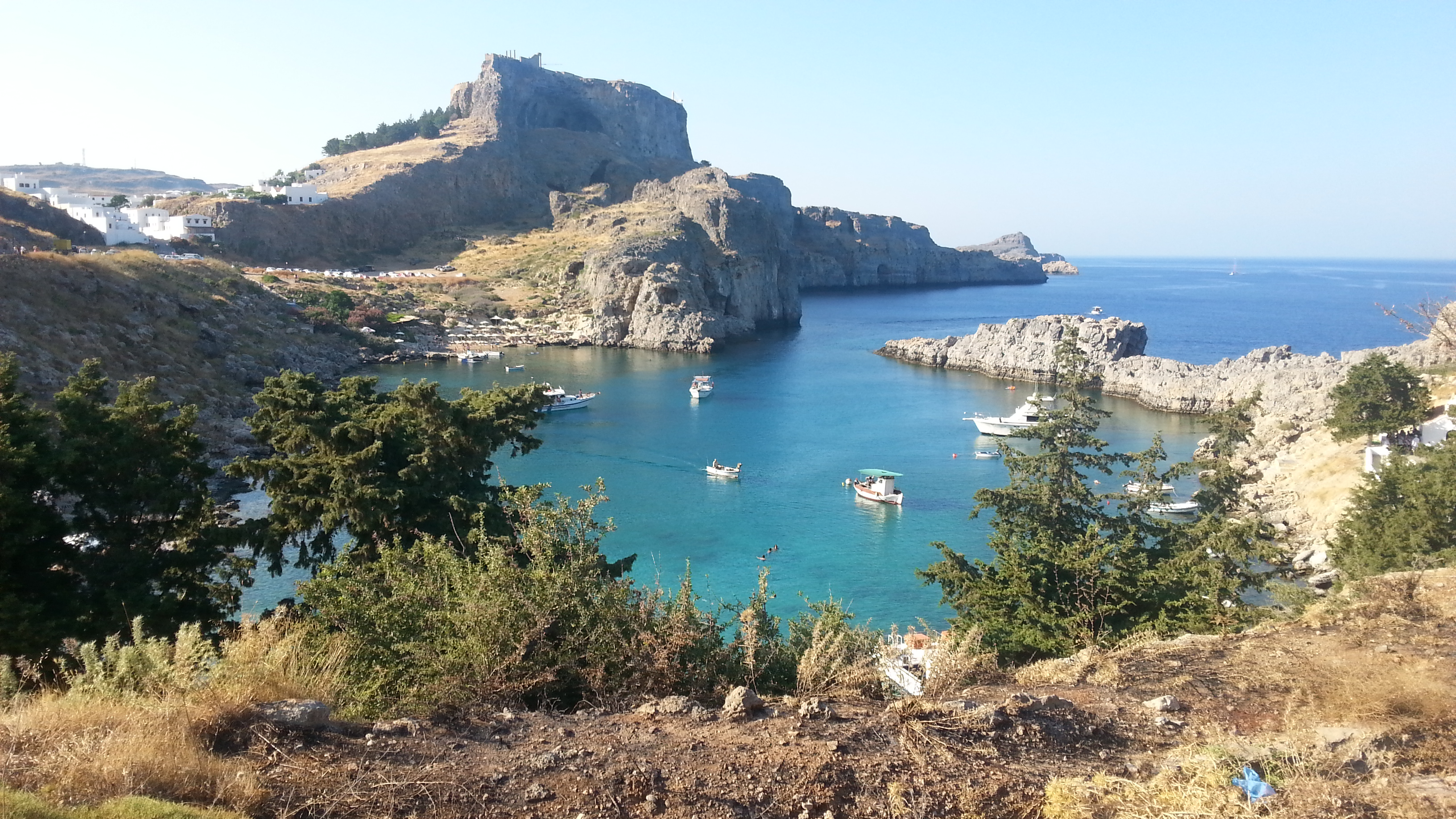
Culturally, St Paul's Bay is imbued with the vibrant traditions of Rhodes. This area is alive with local customs and festivities, especially during the Panagia Festival in August, which celebrates the Virgin Mary with music, dance, and feasts. Traditional music often fills the air, featuring the sounds of the bouzouki and the lyra, instruments central to Greek folk music. Visitors might also witness the Kalymnian Dance, a lively local dance that showcases the community's rich cultural heritage.
No visit to St Paul's Bay would be complete without indulging in the local gastronomy. The island's cuisine is a delightful reflection of its Mediterranean climate and history. Fresh seafood, such as grilled octopus and squid, is a staple, often accompanied by a glass of ouzo or local wines. Traditional dishes like moussaka, layered with eggplant and béchamel, or dolmades, vine leaves stuffed with rice and herbs, provide a hearty taste of the island. For dessert, try loukoumades, fluffy doughnuts drizzled with honey and cinnamon, a sweet end to any meal.
Beyond the well-trodden paths, St Paul's Bay holds lesser-known curiosities that captivate the curious traveler. The bay is a favored spot for snorkeling and diving, where the underwater world reveals ancient amphorae and shipwrecks, remnants of its storied maritime past. Locals tell tales of hidden sea caves that only the most adventurous explorers can find. Additionally, the sunsets viewed from the bay are legendary, casting a golden hue over the sea and cliffs, a spectacle often missed by those who leave too early.
For those planning a visit, the best time to explore St Paul's Bay is in the late spring or early autumn, when the weather is pleasantly warm and the crowds are thinner. This allows for a more intimate experience, whether you're wandering through the cobbled streets of Lindos or lounging on the sun-dappled sands of the bay. It's wise to arrive early to secure a prime spot on the beach and to pack a picnic, as facilities are limited. Don't forget to bring your snorkeling gear to uncover the underwater secrets of this historic bay.
St Paul's Bay is more than just a beautiful landscape; it's a portal to the past, a celebration of rich cultural traditions, and a culinary delight. With its myriad of experiences, it beckons travelers to explore, enjoy, and immerse themselves in the timeless allure of Rhodes.