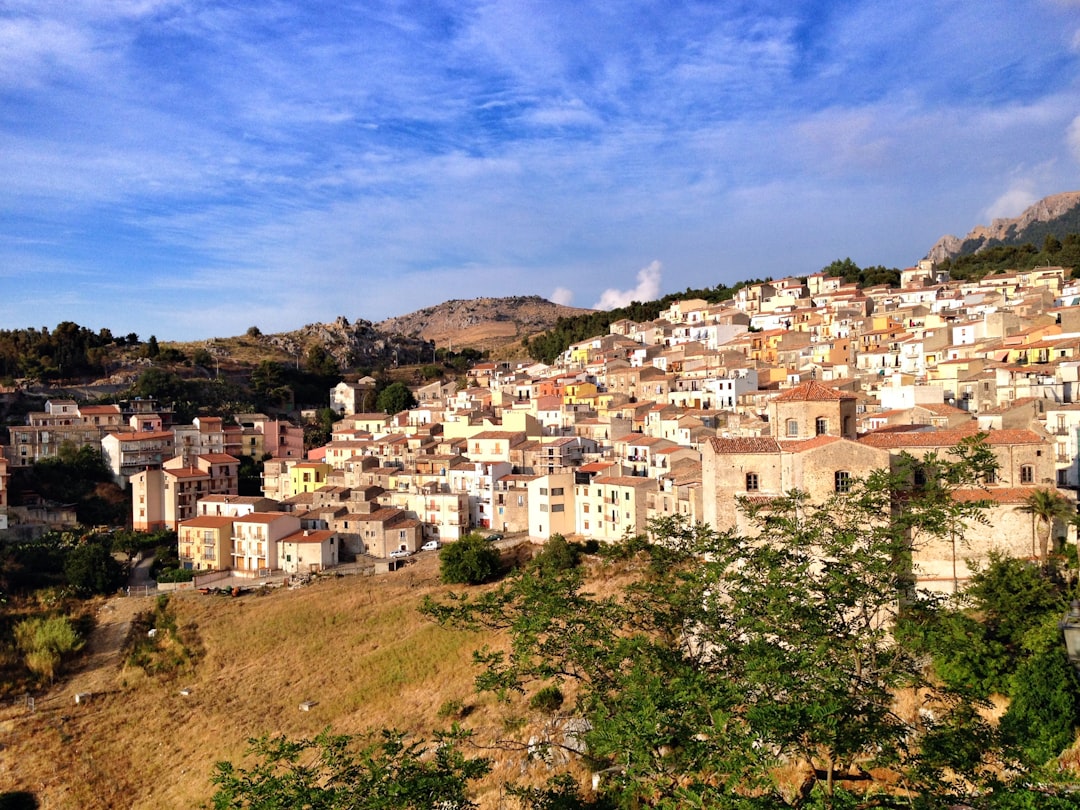

From the top of a limestone cliff that drops about 116 meters to the sea, the Doric columns of the Temple of Athena Lindia dominate one of the most photographed bays of the eastern Mediterranean. Climbing to the Acropolis of Lindos means walking up a stone staircase worn by millennia of footsteps, flanked by souvenir vendors and donkeys offering an alternative ride, until reaching a plateau where ancient architecture merges with the medieval remains of the Knights of St. John.
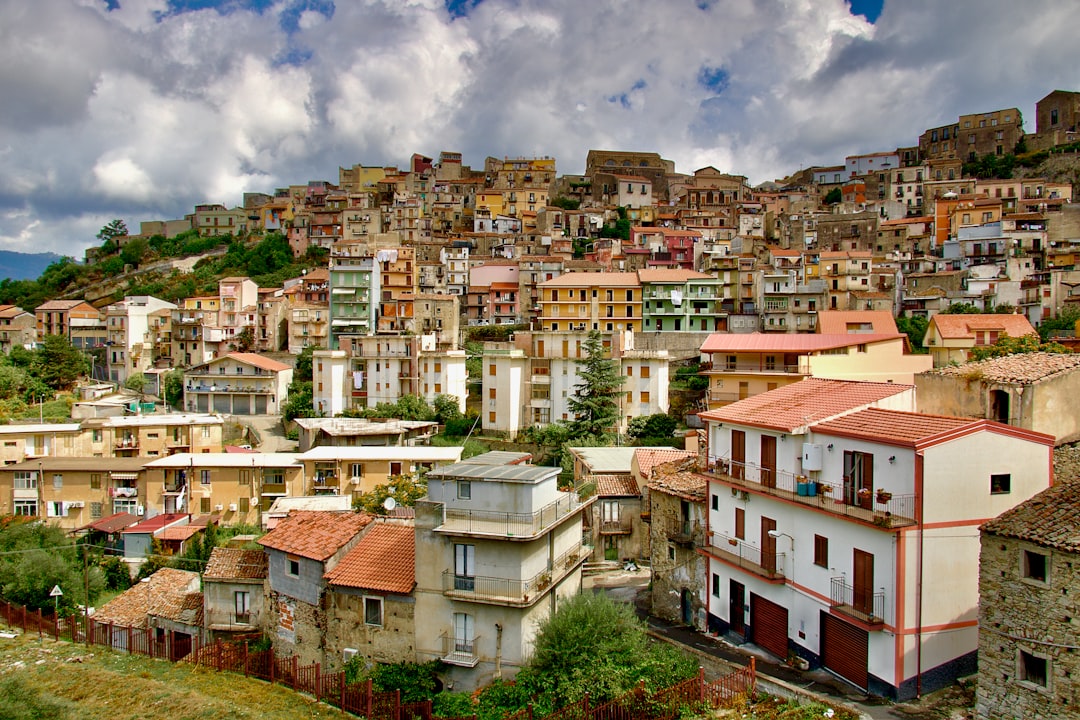
Lindos was already an important center in antiquity, and the sanctuary dedicated to Athena on the rock dates back at least to the 9th century BC, although the visible structures today are largely the result of reconstructions and expansions that took place between the 4th and 3rd centuries BC. The Doric temple that dominates the upper terrace, with its partially reconstructed columns, was erected around 300 BC and replaced a previous building destroyed by fire. The architect responsible for the project is not known for certain, but the construction site fits into the building fervor that characterized Rhodes after the founding of the new capital of the island in 408 BC.
The architecture of the complex: layers of centuries superimposed
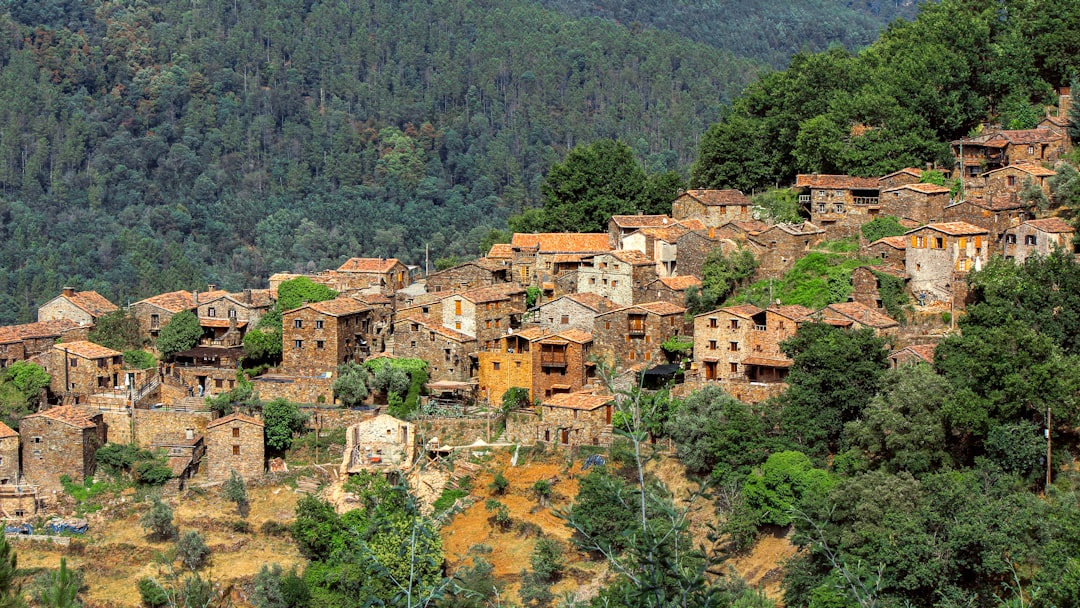
What makes the Acropolis of Lindos architecturally fascinating is the stratification of different eras that the visitor can read as they ascend towards the top. At the base of the main staircase is a large rock relief depicting the bow of a trireme, dated to the 3rd century BC and attributed to the sculptor Ptolemy: it is one of the most concrete and surprising details encountered even before entering the main enclosure.
Having passed through the medieval portal built by the Knights Hospitaller, who occupied Rhodes from 1309 to 1522, one accesses a series of terraces. The first is dominated by a Hellenistic double-winged portico, the so-called stoà, with restored Doric columns framing the view of the sea. The second terrace, higher up, hosts the propylaea — the monumental vestibule that precedes the temple — also in Doric style. The temple of Athena Lindia at the top is a modestly sized building, with four columns at the front, but its position on the rock gives it a scenic presence that much larger structures struggle to match.
The artistic details not to be missed on site
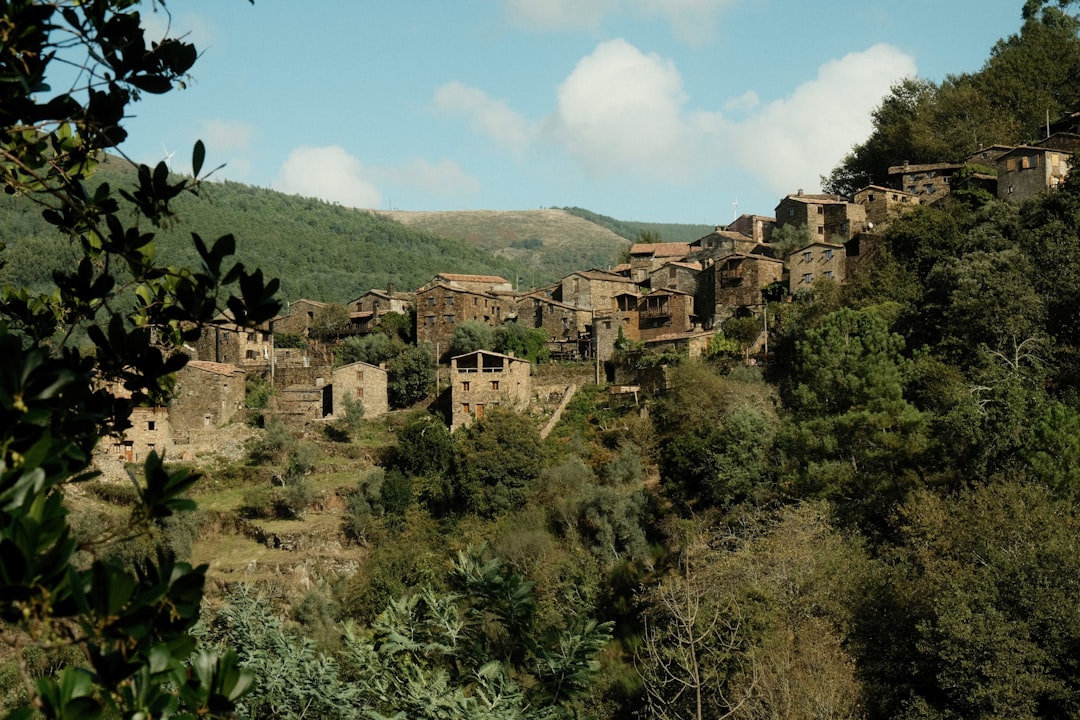
In addition to the bas-relief of the trireme, the attentive visitor will notice along the path some votive inscriptions carved directly into the rock or on statue bases. In ancient times, the sanctuary was rich in dedications and offerings, and some inscribed bases are still visible in situ. The restored columns of the temple clearly show the difference between the original material, a darker white-gray, and the modern integrations in lighter stone: a detail that allows one to visually understand how much of the building is authentic and how much is the result of anastylosis.
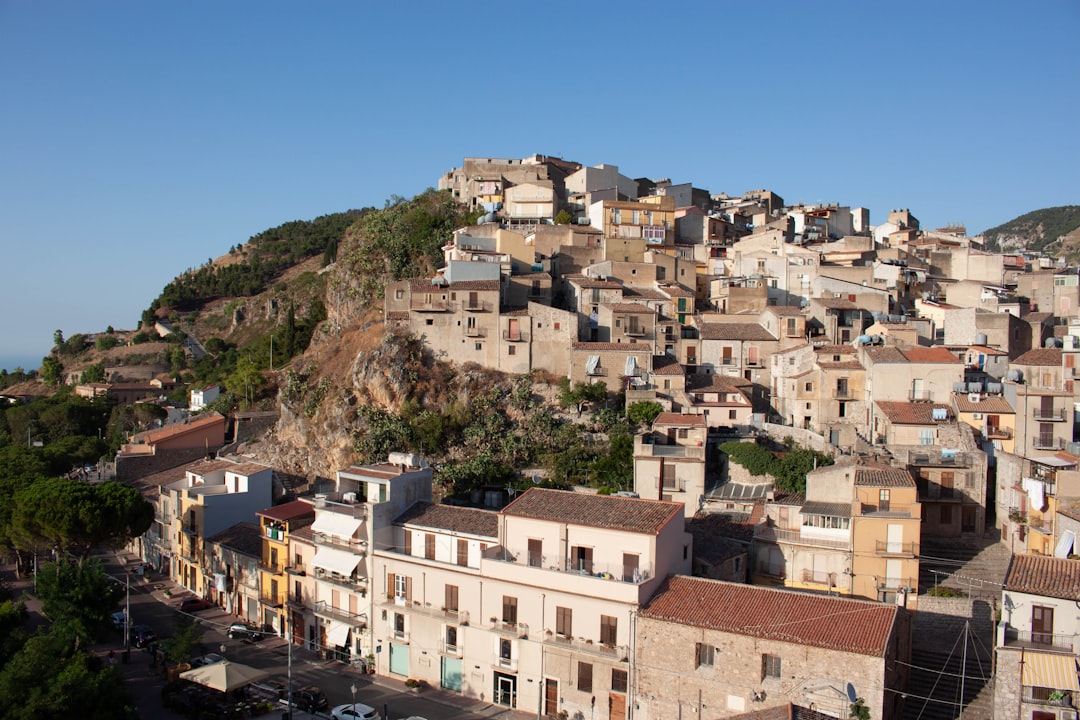
From the upper terrace, the view of the Bay of San Paolo — so named because tradition holds that the apostle landed there in 51 AD — is the landscape element that completes the experience. The water takes on shades that vary from turquoise to cobalt blue depending on the time of day, and the contrast with the white houses of the village of Lindo at the foot of the rock creates a color composition that is hard to forget.
How to Visit the Acropolis of Lindos: Practical Tips
The most important advice concerns the timing: arriving at opening time, around 8:00 in the morning, allows you to visit the site in relative tranquility and with favorable photographic light, before the organized groups from the city of Rhodes — about 55 kilometers away — reach the village. During the central hours of the day, especially in July and August, the cliff is exposed to the sun without shade and the climb becomes tiring with temperatures easily exceeding 35°C.
The entrance ticket to the archaeological site costs around 12 euros for adults in recent years, with reductions for students and free entry for minors under 18 from the European Union, but it is advisable to check the updated rates on the official website of the Greek Ministry of Culture before your visit. The walk up takes about 20-30 minutes from the village, on a partly steep staircase; alternatively, the donkeys available in the village offer transport up to halfway. Bringing enough water is essential, as there are no refreshment points within the site.
Linda beyond the Acropolis: the village at the foot of the rock
The village of Linda, with its white houses decorated with black and white pebbles arranged in geometric patterns — a local technique called chochlakia — deserves at least an hour of exploration after visiting the site. The oldest houses, some dating back to the period of the Knights, feature stone-carved portals with heraldic coats of arms that are still legible.
The Church of Our Lady, in the heart of the village, preserves 18th-century frescoes that completely cover the interior walls: an example of Orthodox religious art that offers an interesting contrast to the pagan architecture of the overhanging rock. Linda is well visited as a full-day excursion starting from the city of Rhodes, combining the morning at the Acropolis with the afternoon in the village and on the beach.