
← Back

St. Mary of the Cross Church

75013 Ferrandina MT, Italia ★★★★☆ 186 views
Diana Piccolo
Ferrandina
🏆 AI Trip Planner 2026

Get the free app

Discover the best of Ferrandina with Secret World — the AI trip planner with 1M+ destinations. Get personalized itineraries, hidden gems and local tips. Free on iOS & Android.

🧠 AI Itineraries 🎒 Trip Toolkit 🎮 KnowWhere Game 🎧 Audio Guides 📹 Videos
Scan to download iOS / Android
Scan for AppGallery Huawei users

About St. Mary of the Cross Church

St. Mary of the Cross Church - Ferrandina | Secret World Trip Planner

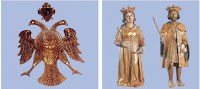
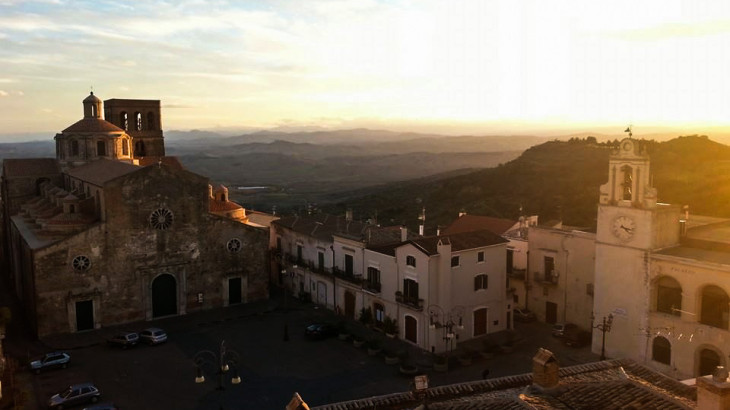
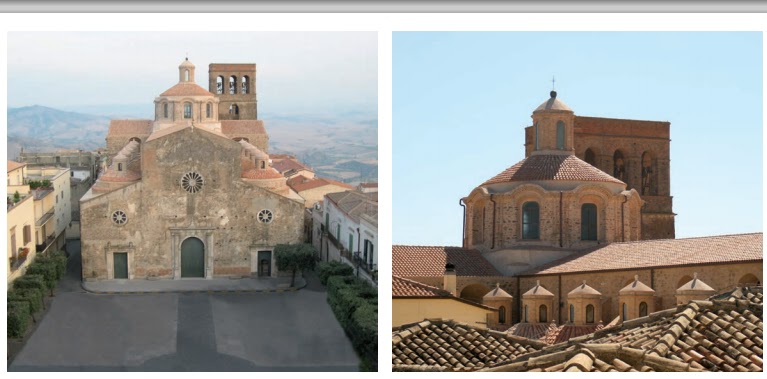
St. Mary of the Cross Church (since 1529), formerly St. Lawrence the Martyr. It was built on pre-existing foundations dating from the Swabian-Byzantine period, and the lower part of the bell tower was originally a watchtower also from the Swabian-Byzantine period. The lower part of the terminal structure with the four single-lancet windows facing Via F.lli Bandiera and Via Venita, is part of the 13th-century structure structured with a central square plan system with two entrances to the east and west still present in 1701,but traces of which have been lost today. We owe to Msgr. Giustiniani, on the occasion of the apostolic visit of 1595, some indications regarding the enlargement interventions made necessary because of the considerable growth of the population of Ferrandino, which will lead in 1633 to the addition of the central nave only and of the portal made by the builders from Cavia; and finally, in the report of Msgr. Positani of 1726 the 3 naves are mentioned for the first time, thanks to which the church reaches its present size. In 1857, following the earthquake, the 3 naves were demolished, except for the outer walls, and rebuilt later. In 1872 the archpriest Lisanti reported that he had had the cross and dome rebuilt " with other solidity and architectural strength." Among the works in the mother church are: - Madonna and Child of 1530 attributed to an unknown Neapolitan sculptor; - reliquary (stauroteca) of the Holy Wood of the Cross of Neapolitan manufacture of the 17th cent; - High altar made by Pasquale Sebastiano in 1777; - Double-headed Eagle in carved and gilded wood by an unknown 17th-century sculptor. (dimensions 233x284cm); - Statues of Isabella and Frederick of Aragon (dimensions 103x42cm) executed by. Antonio Persio of Montescaglioso (1507-1593) in carved and gilded wood.
St. Mary of the Cross Church - Ferrandina | Secret World Trip Planner
🗺 L'app dei tesori italiani

Plan your visit to Ferrandina

Suggested itinerary near St. Mary of the Cross Church

MAJ+
500.000+ travelers worldwide
  1. 🌅
    Morning
    St. Mary of the Cross Church
    📍 Ferrandina
  2. ☀️
    Afternoon
    Fried Lampascioni meatballs
    📍 0 km · Ferrandina
  3. 🌆
    Evening
    Miglionico and the church of Materdomini
    📍 8.8 km · Ferrandina

Buy Unique Travel Experiences

Powered by Viator

See more on Viator.com

Explore nearby · Ferrandina

Frequently Asked Questions

St. Mary of the Cross Church has been known by its current name since 1529, but it was formerly called St. Lawrence the Martyr. The church was constructed on pre-existing foundations dating back to the Swabian-Byzantine period, with the lower part of its bell tower originally serving as a watchtower from the same era.
Notable artworks include a Madonna and Child sculpture from 1530 by an unknown Neapolitan artist, a 17th-century reliquary of the Holy Wood of the Cross, and statues of Isabella and Frederick of Aragon carved in gilded wood by Antonio Persio in 1507-1593. The high altar, created by Pasquale Sebastiano in 1777, and a striking Double-headed Eagle in carved and gilded wood (233x284cm) are also significant features.
The 1857 earthquake caused severe damage, requiring the demolition of all three naves except for the outer walls, which were subsequently rebuilt. In 1872, archpriest Lisanti reported that the cross and dome were reconstructed with improved solidity and architectural strength.
The church underwent gradual expansions due to population growth in Ferrandino, with a central nave added in 1633 by builders from Cavia. The three-nave structure was first documented in a report by Msgr. Positani in 1726, which brought the church to its present size.
The church's development is documented through apostolic visits and official reports, including Msgr. Giustiniani's 1595 visit that noted necessary enlargements, and Msgr. Positani's 1726 report that first mentioned the three-nave configuration. These records provide valuable insights into how the church evolved to meet the needs of the growing local population.