
The vines of Santorini do not grow like those in any other wine region in the world. Here, on the Greek island of the Cyclades, winemakers train the plants into a basket-like shape called kouloura: the shoots are woven in a spiral close to the ground to protect the clusters from the strong Aegean winds and preserve the nighttime moisture in soil that receives very little rainfall. When visiting the Santo Wines winery in Pyrgos Kallistis, these twisted and low vines can be seen in the surrounding vineyards, and their archaic shape tells centuries of adaptation to an extreme volcanic landscape.

Santo Wines is the island's cooperative winery, founded in 1947 to bring together small local producers under one roof. Today it groups over 1,200 winemakers and operates a modern facility overlooking the caldera, at an altitude that allows for views towards Oia and the sea while enjoying a glass of Assyrtiko. The location is not just a scenic detail: it is an integral part of the experience, because the volcanic terroir seen underfoot is exactly what is felt in the glass.
The volcanic terroir and the Assyrtiko grape
The soil of Santorini is mainly composed of pumice, volcanic ash, and lava, with very little organic humus. This nutrient-poor substrate forces the roots to dig deep — in some cases up to several meters — to find water, giving the wines a sharp minerality and an acidic freshness that is not easily replicated elsewhere. The Assyrtiko is the dominant indigenous grape: a thick-skinned white grape capable of maintaining high natural acidity even in the hottest vintages.
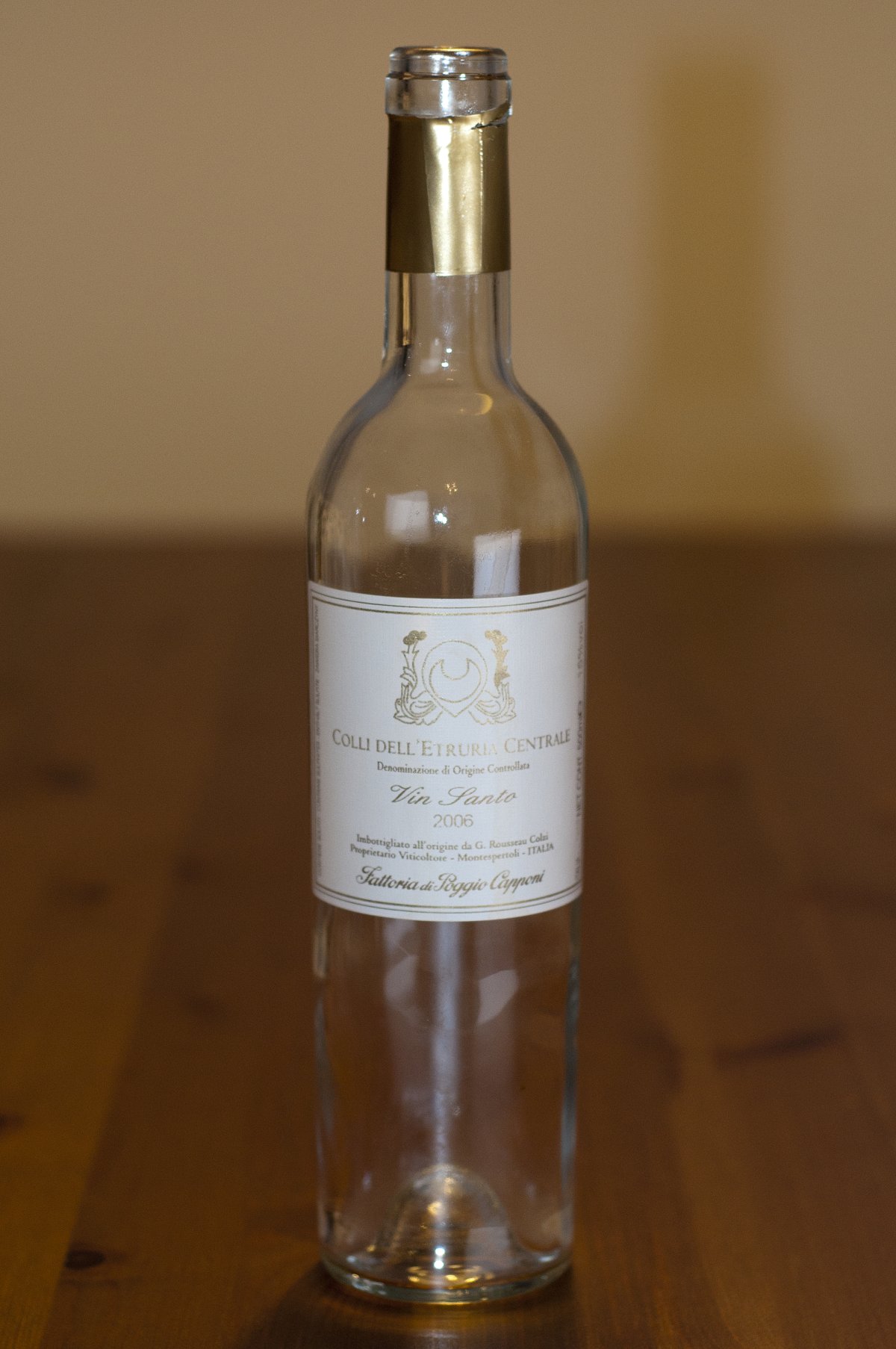
The result in the glasses is a dry white wine with aromas of citrus, white peach, and an almost marine saline note that sommeliers directly associate with the mineral composition of the soil. Santo Wines produces several versions of Assyrtiko, from the basic version fermented in stainless steel — fresher and more immediate — to versions aged in oak barrels that develop complexity and structure. Among the winery's labels, the Vinsanto deserves separate attention: it is a dessert wine made from grapes dried in the sun for at least twelve days, with a sweet and oxidative profile reminiscent of certain Sherry or Madeira.
The tasting and what to expect
The tasting area of Santo Wines is structured on a panoramic terrace overlooking the caldera. The tasting packages vary in the number of wines included, and you can choose from pairings with local products such as Santorini fava, sun-dried cherry tomatoes, and island cheeses. The prices for basic tastings start at around 15-20 euros per person, with more elaborate options that include premium labels or Vinsanto.
A physically observable detail during the visit is the difference in color between the wines served: the basic Assyrtiko has a bright straw yellow, almost transparent, while the Vinsanto has an intense amber hue that varies from dark honey to mahogany depending on the years of aging. The staff explains these differences during the service, making the tasting also an informative moment about the production process.
How to organize the visit
Santo Wines is located on the main road that runs through Pyrgos Kallistis, easily reachable by car or with local buses that connect the main villages of the island. The best time to visit is in the late afternoon, about an hour before sunset: the light on the Aegean is softer, the caldera takes on a pink hue, and the terrace is less crowded compared to the central hours of the day, when organized groups arrive in mass from the hotels in Fira and Oia.
It is advisable to book a table in advance during the summer months, from June to August, when Santorini reaches its peak tourist influx. The typical visit lasts between 45 and 90 minutes, depending on the chosen package and the time spent on the terrace. Those who want to delve deeper can purchase bottles directly from the winery, often at slightly lower prices than in the shops in central Fira.
Beyond the tasting: the context of the island
Visiting Santo Wines makes sense also as a starting point to understand Santorini viticulture as a whole. The winery periodically organizes vineyard tours where you can closely observe the kouloura vines in different stages of the growing cycle. During the harvest, which on the island typically occurs between August and September — earlier than most Greek regions, precisely due to the dry climate and the heat of the volcanic soil — the activity is particularly intense.
Pyrgos Kallistis, the village where the winery is located, is one of the best-preserved medieval villages in Santorini, with narrow alleys and white houses climbing towards a Venetian fortress. Combining a visit to Santo Wines with a walk in the village offers a less chaotic alternative compared to the standard tourist routes concentrated in Oia and Fira.