




← Back

Saint-André Cathedral

Place Pey Berland, 33000 Bordeaux, Francia ★★★★☆ 219 views
Cornelia Rice
Bordeaux
🏆 AI Trip Planner 2026

Get the free app

Discover the best of Bordeaux with Secret World — the AI trip planner with 1M+ destinations. Get personalized itineraries, hidden gems and local tips. Free on iOS & Android.

🧠 AI Itineraries 🎒 Trip Toolkit 🎮 KnowWhere Game 🎧 Audio Guides 📹 Videos
Scan to download iOS / Android
Scan for AppGallery Huawei users

About Saint-André Cathedral

Saint-André Cathedral - Bordeaux | Secret World Trip Planner

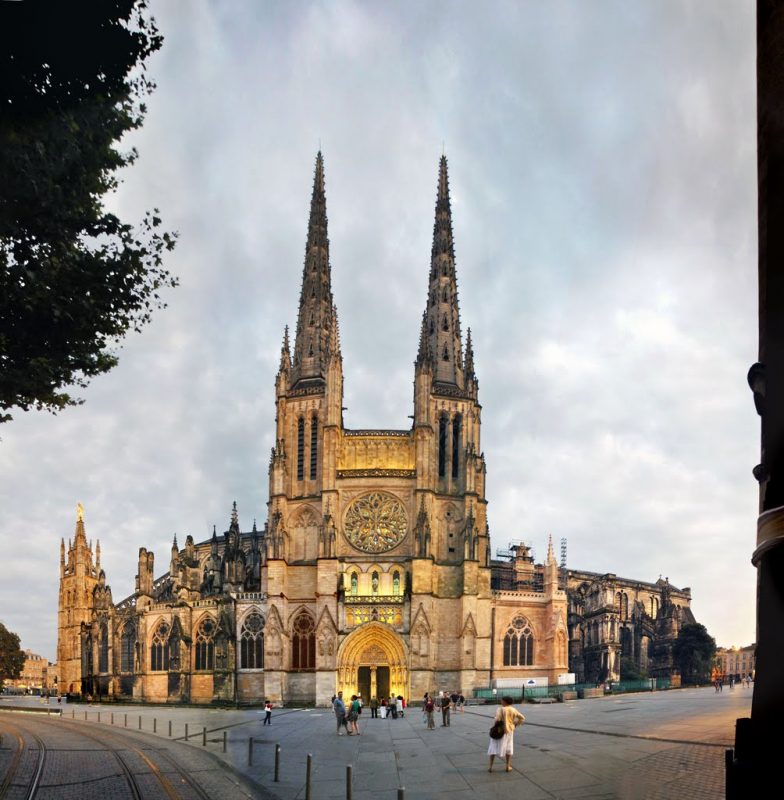
Saint-André Cathedral, a veritable treasure Throughout the centuries, the clergy has amassed true treasures within its religious edifices, accumulating remarkable liturgical art. In 1789, these possessions were requisitioned by the Nation and were used as guarantees for the new revolutionary state’s debts. Saint-André, the cathedral of the Archbishops of Bordeaux, built between the 12th and the 14th century, was thus relieved of almost all of its valuable objects, in particular its gold and silversmithery. A period of tumult followed, wherein the cathedral served as a multi-purpose space: at times a food store, at others a Temple of Reason and at others a hall used for patriotic celebrations. During this period, the church took possession of Jordaens’ Christ on the Cross, painted by one of the biggest Flemish names of the 17th century. The painting, which can still be seen, was seized by the revolutionary armies on the outskirts of Anvers and was bequeathed to the city, but there was no room to hang it in its museum. Restored to a more “orthodox” purpose in the wake of the 1801 Concordat, it took the cathedral thirty years to cleanse its wounds. Having previously been turned into a lead factory, the stand-alone tower became a bell tower once more in 1852. However, it was only in 1947 that the episcopal seat recovered another treasure, thanks to Barthélémy Marcadé, a Bordelais who went to Paris to become a priest. He was also an art lover who collected holy antiques that dated from the 14th, 15th, 16th and 17th centuries such as paintings, statues, objects, liturgical vestments and ornaments. On returning home to live out his final days, he donated his collection to the State, which put it on display in the cathedral. Today, this treasure is open to the public, as well as a Crucifixion by Rembrandt, which is usually found in Le Mas d’Agenais but has been transferred here until summer 2018 for conservation reasons.

Saint-André Cathedral - Bordeaux | Secret World Trip Planner
🗺 L'app dei tesori italiani

Plan your visit to Bordeaux

Suggested itinerary near Saint-André Cathedral

MAJ+
500.000+ travelers worldwide
  1. 🌅
    Morning
    Saint-André Cathedral
    📍 Bordeaux
  2. ☀️
    Afternoon
    Unesco | Cathédrale St-André in Bordeaux
    📍 0 km · Bordeaux
  3. 🌆
    Evening
    The Tour Pey-Berland in Bordeaux
    📍 0.1 km · Bordeaux

Buy Unique Travel Experiences

Powered by Viator

See more on Viator.com

Explore nearby · Bordeaux

Frequently Asked Questions

Saint-André Cathedral was built between the 12th and 14th centuries and served as the cathedral of the Archbishops of Bordeaux. During the French Revolution in 1789, it was stripped of its treasures and repurposed as a food store, Temple of Reason, and patriotic celebration hall. It was restored to religious use after the 1801 Concordat and gradually recovered its sacred function over several decades.
The cathedral features notable works including 'Christ on the Cross' by Flemish master Jordaens, which was seized by revolutionary armies near Antwerp and later bequeathed to the city. You can also view a collection of holy antiques from the 14th-17th centuries, including paintings, statues, liturgical vestments, and ornaments donated by Barthélémy Marcadé in 1947. Additionally, a Crucifixion by Rembrandt was transferred to the cathedral for conservation purposes until summer 2018.
Barthélémy Marcadé was a Bordelais who became a priest in Paris and was also a passionate art collector of holy antiques from the 14th to 17th centuries. Upon returning to Bordeaux in his final years, he donated his entire collection of paintings, statues, liturgical vestments, and ornaments to the State, which were subsequently displayed in the cathedral in 1947, enriching its artistic heritage.
The stand-alone tower of Saint-André was previously converted into a lead factory during the post-revolutionary period. It was restored to function as a proper bell tower in 1852, marking an important step in the cathedral's recovery from the damages and repurposing it endured during the French Revolution and its aftermath.
In 1789, the revolutionary government requisitioned the valuable possessions accumulated by the clergy within Saint-André Cathedral, including gold and silverware, to use as guarantees for the new revolutionary state's debts. This left the cathedral nearly empty of its liturgical treasures, which were not recovered until centuries later through donations and bequests like that of Barthélémy Marcadé.