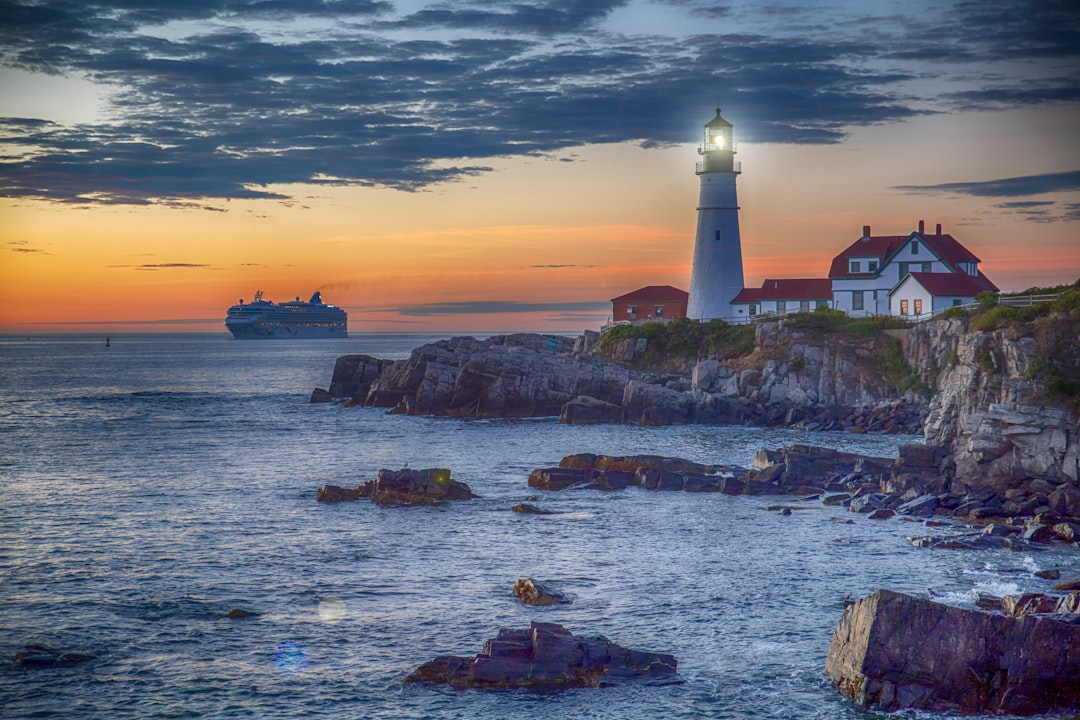

The wind blows strong on the southern tip of Portland Island, where the mainland narrows into a finger of limestone that points straight towards the English Channel. Here, the Portland Bill Lighthouse stands with its unmistakable red and white striped livery, visible from miles away. It is not just decoration: those stripes serve to distinguish it from other lighthouses during the day, when the light is not yet on. It is a signal that speaks directly to sailors, in a language that is centuries old.
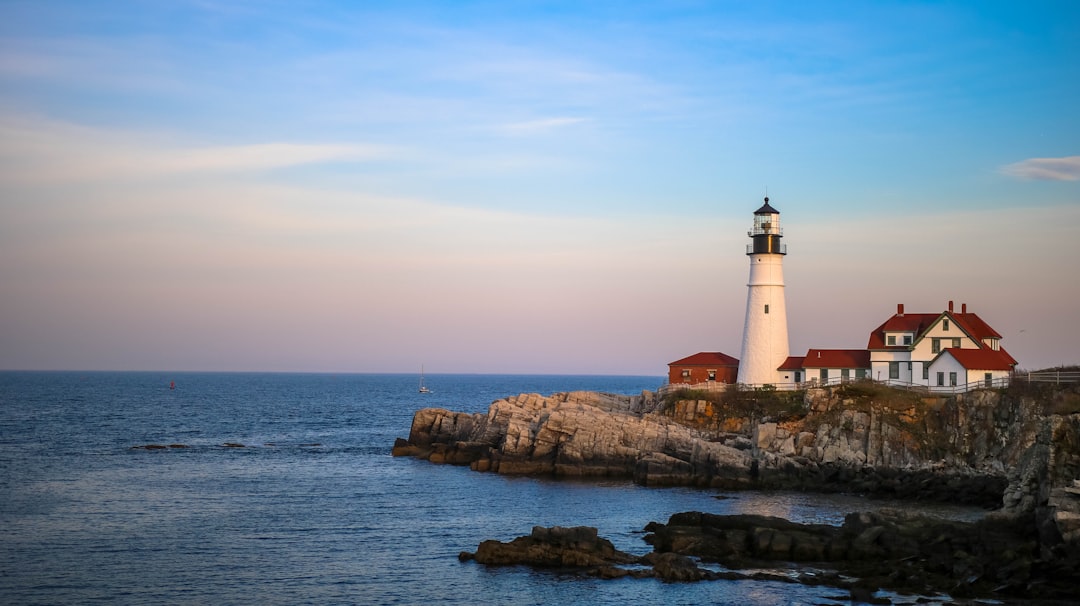
Below the surface of the sea, around this promontory, flow some of the most dangerous tidal currents in Britain. The so-called Portland Race — a turbulent water race caused by the meeting of opposing currents over irregular seabeds — has swallowed ships over the centuries. The lighthouse is not here to beautify the landscape: it is here because this stretch of sea demanded it.
History and Structure of the Lighthouse
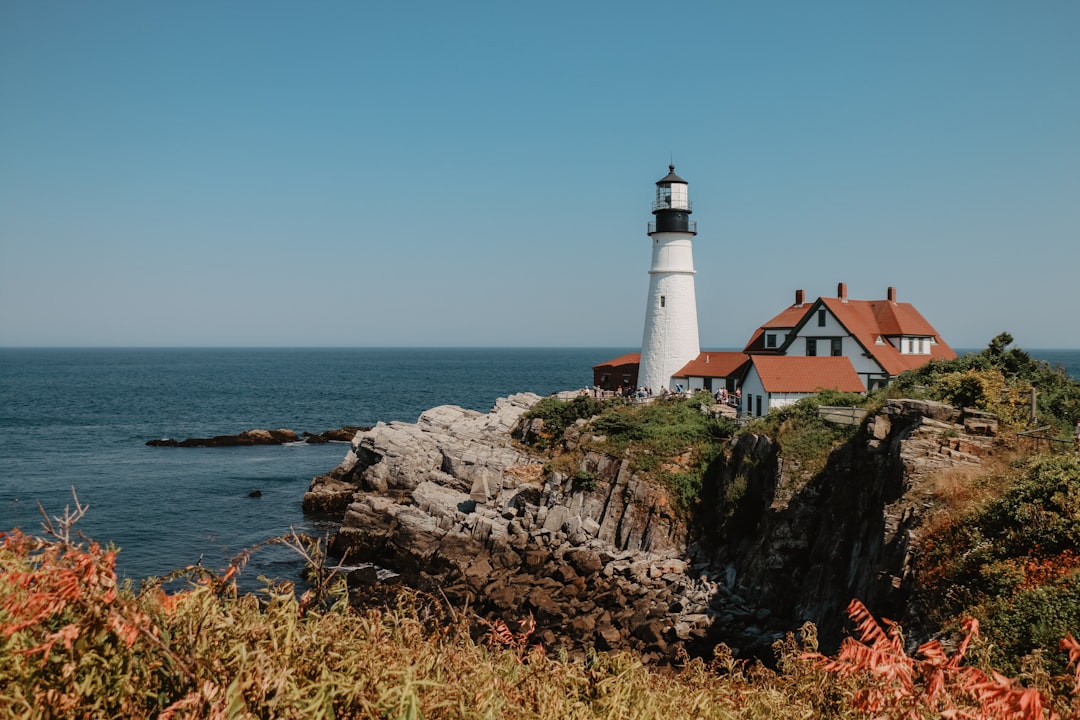
The current tower of the Portland Bill Lighthouse was built in 1906 by Trinity House, the British authority responsible for coastal navigation safety, and reaches a height of about 41 meters. It was not the first lighthouse at this point: previous structures existed as early as the 18th century, but they were insufficient to cover the dangers of the area. The current tower is the definitive answer to centuries of shipwrecks.
By climbing the internal stairs — more than one hundred and fifty — one reaches the original lantern, which housed a first-class optical system with Fresnel lenses. Today the lighthouse is automated, but guided tours of the lamp room allow visitors to closely observe the optical mechanism and enjoy a panoramic view that encompasses, on clear days, the coasts of Dorset and the distant outline of the Isle of Wight.
The Jurassic Coast and the Surrounding Landscape
Portland Bill is located at the southern tip of the Jurassic Coast, the stretch of English coastline designated as a UNESCO World Heritage Site in 2001, which extends for about 150 kilometers between Exmouth in Devon and Studland in Dorset. The rocks of Portland are famous worldwide: Portland Stone, a white-cream limestone quarried on the island for centuries, was used by Christopher Wren to build St Paul's Cathedral in London and many other historic British buildings.
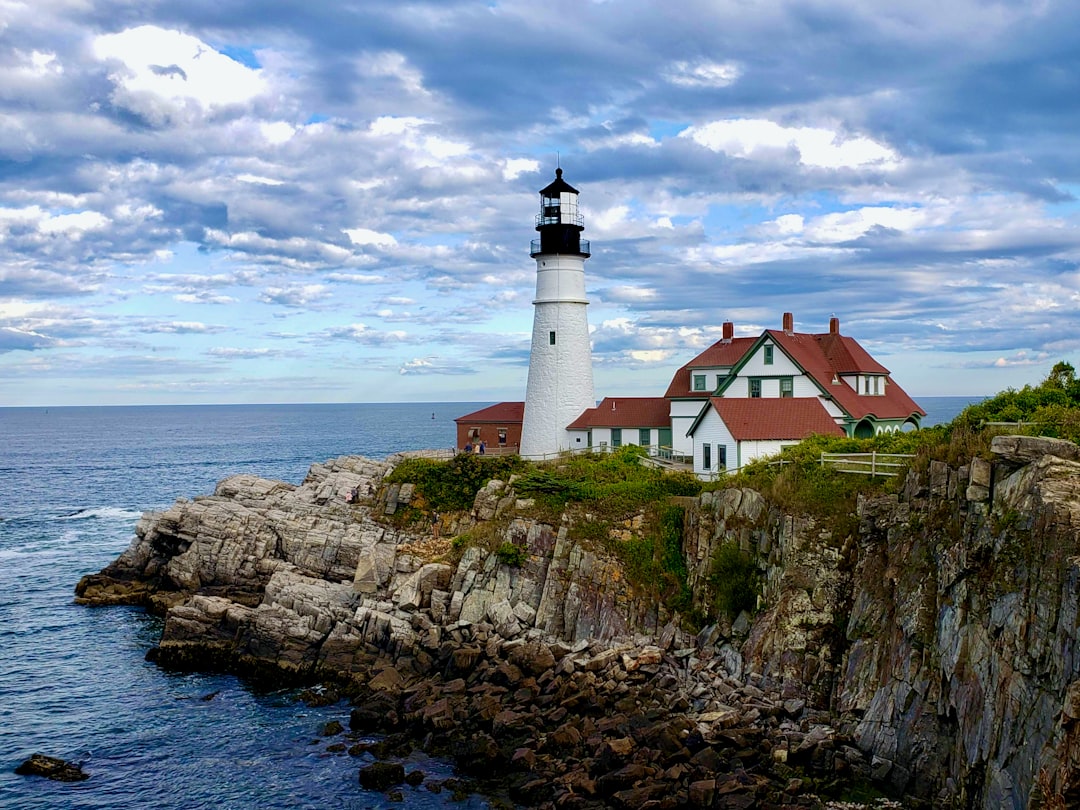
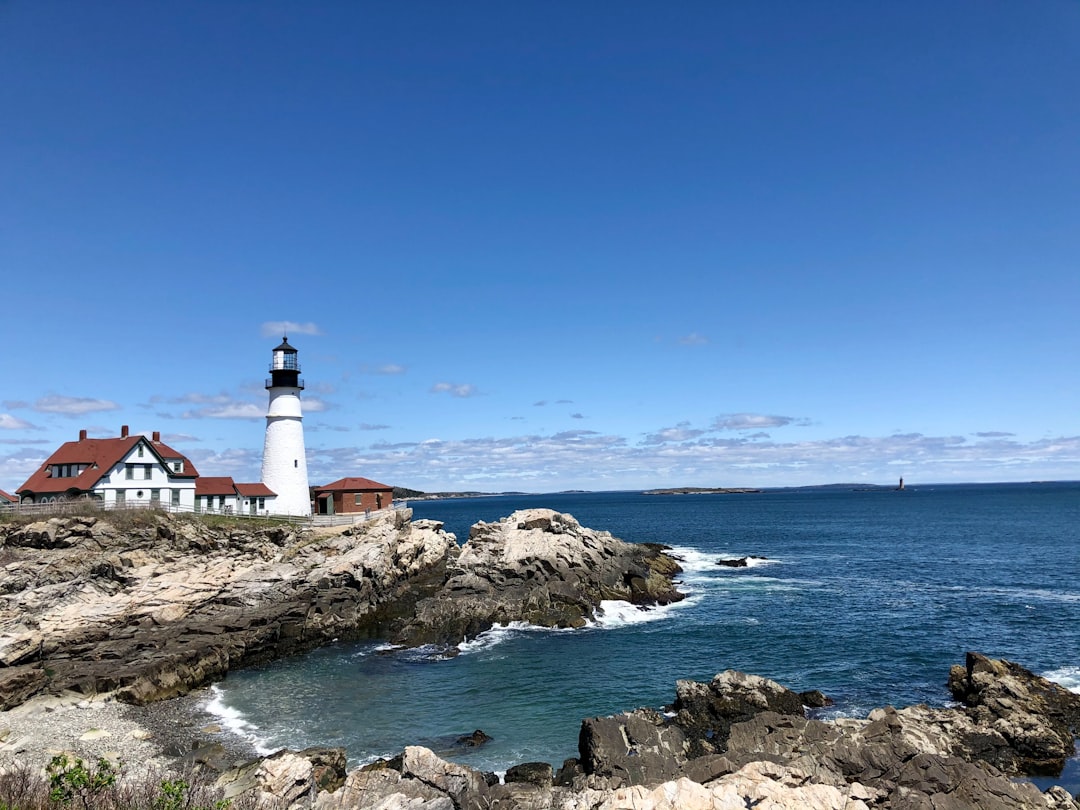
Around the lighthouse, the landscape is rugged and almost lunar: platforms of limestone rock sculpted by erosion jut out towards the sea, interrupted by tidal pools rich in marine life. In the waters offshore, colonies of seabirds nest, and at certain times of the year, it is possible to spot dolphins and even rays swimming beneath the surface. Birdwatchers come here in spring and autumn to observe migration: Portland Bill is one of the most renowned birdwatching spots in southern England.
Visiting the lighthouse: practical information
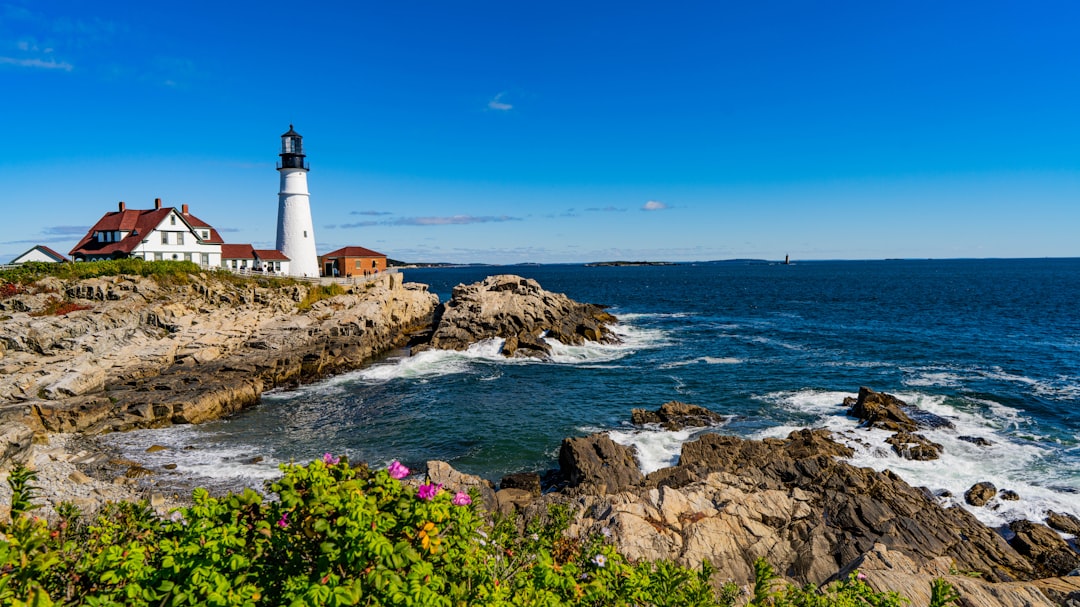
Guided tours of the Portland Bill Lighthouse are organized by Trinity House and include a climb to the lantern. The ticket price for adults is around 6-8 pounds, but it is advisable to check the updated rates on the official Trinity House website before departing, as prices and opening days may vary seasonally. Tours are typically available during the summer months, from April to September, with multiple daily slots.
To reach Portland Bill, you start from the city of Weymouth, which is connected to the Isle of Portland via a road bridge. From Weymouth, the tip of the promontory is about 10 kilometers away, accessible by car or bicycle along scenic roads. There is no direct bus connection to the lighthouse, so having your own transport is almost essential. Parking near the lighthouse is paid. The best time to visit is early in the morning when the light is more favorable for photography and tourist groups have not yet gathered.
What to Observe Up Close
Once on site, it is worth focusing on the physical details that tell the function of the place. The three luminous buoys positioned offshore, visible from the shore, signal the most critical points of the Portland Race. On the rock, at low tide, the remains of ancient port structures and the signs of stone extraction that have shaped this coast for centuries can be seen. The lighthouse itself, observed up close, shows the quality of the local stone masonry: compact, durable, built to last.
Bring a windbreaker regardless of the season: the wind at Portland Bill is almost constant, and even in the height of summer, gusts can catch you by surprise. But it is that very wind, along with the sound of the waves crashing against the rocks and the sight of the red and white tower silhouetted against the sky, that makes this place something hard to forget.