
← Back

Pasquini Castle

Piazza della Vittoria, 1, 57016 Castiglioncello LI, Italia ★★★★☆ 425 views
Frey Lobotka
Castiglioncello
🏆 AI Trip Planner 2026

Get the free app

Discover the best of Castiglioncello with Secret World — the AI trip planner with 1M+ destinations. Get personalized itineraries, hidden gems and local tips. Free on iOS & Android.

🧠 AI Itineraries 🎒 Trip Toolkit 🎮 KnowWhere Game 🎧 Audio Guides 📹 Videos
Scan to download iOS / Android
Scan for AppGallery Huawei users

About Pasquini Castle

Pasquini Castle - Castiglioncello | Secret World Trip Planner

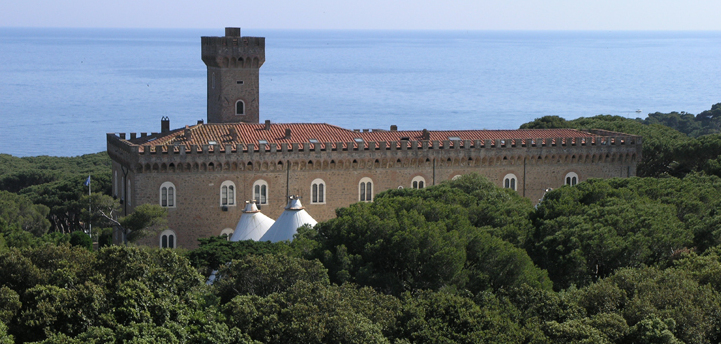
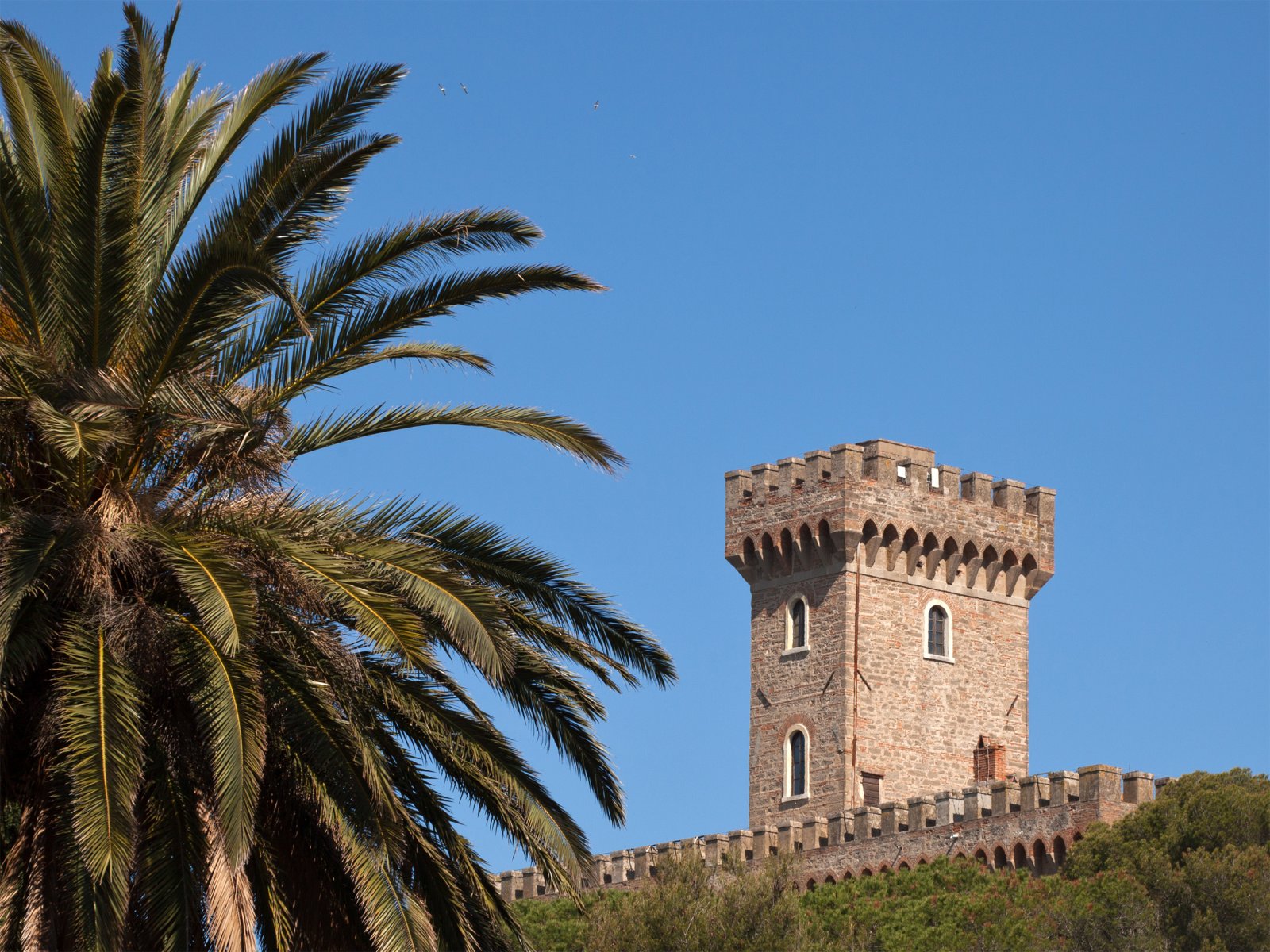
Castiglioncello town centre’s main feature is the Pasquini Castle, which was built in the 1800s, and has become a cultural centre for the town. Le château Pasquini a été construit à la demande du baron Lazzaro Patrone sur la propriété acquise de Diego Martelli, qui a été contraint de vendre ses domaines en raison de sa mauvaise situation financière. Le château, construit à l'image du Palazzo Vecchio, a ainsi remplacé l'ancienne ferme de Diego Martelli, rendue célèbre par de nombreux tableaux des Macchiaioli, tandis que les terres agricoles ont été transformées en un parc, créé selon les goûts romantiques de l'époque, pour embellir et protéger l'intimité de la nouvelle résidence. Au début de l'avenue, le long du mur de clôture, a été construite la maison du caissier, avec une forme curviligne (la "Virgola") qui rappelle, dans les merlons qui couronnent le sommet, le style gothique du bâtiment principal. En 1938, le baron Patrone est contraint de vendre toutes ses propriétés, y compris le château : d'autres propriétaires lui succèdent jusqu'à ce que, dans la seconde moitié des années 1940, le château soit acheté par la famille Pasquini, dont il porte encore le nom, qui y apporte d'importantes modifications, notamment au niveau du parc. Aujourd'hui, il appartient à la municipalité de Rosignano et abrite l'association culturelle Armunia, qui promeut le théâtre, la danse et les activités culturelles dans la région. Exhibitions, theatre, dance and various other activities take place there throughout the year. If visiting in June, you can time your visit with the historic ‘Fish Festival’ and enjoy the best of local, fresh seafood.

Pasquini Castle - Castiglioncello | Secret World Trip Planner
🗺 L'app dei tesori italiani

Plan your visit to Castiglioncello

Suggested itinerary near Pasquini Castle

MAJ+
500.000+ travelers worldwide
  1. 🌅
    Morning
    Pasquini Castle
    📍 Castiglioncello
  2. ☀️
    Afternoon
    Terrazza Mascagni is a charming waterfront promenade
    📍 17.1 km · Castiglioncello
  3. 🌆
    Evening
    Jewish Museum Y. Marini
    📍 17.5 km · Castiglioncello

Buy Unique Travel Experiences

Powered by Viator

See more on Viator.com

Explore nearby · Castiglioncello

Frequently Asked Questions

Pasquini Castle was built in the 1800s by Baron Lazzaro Patrone on property purchased from Diego Martelli, whose farm had been famously depicted in paintings by the Macchiaioli artists. The castle was designed in the style of Palazzo Vecchio and replaced Martelli's original farmhouse, transforming the agricultural lands into a romantic-style park.
Today, Pasquini Castle belongs to the municipality of Rosignano and houses the cultural association Armunia, which organizes theatre, dance, and various cultural activities throughout the year. The castle serves as a cultural centre for the town of Castiglioncello, hosting exhibitions and performances regularly.
If you're visiting in June, you can time your trip with the historic 'Fish Festival' held in the area, where you can enjoy the best of local, fresh seafood. Throughout the year, exhibitions, theatre, dance and various other cultural activities take place at the castle, offering multiple reasons to visit.

The castle was built in the style of Palazzo Vecchio and is surrounded by a romantic-style park created during the 1800s. At the beginning of the avenue along the boundary wall stands the curvilinear cashier's house called 'la Virgola,' which features Gothic-style merlons that echo the architectural style of the main building.
Baron Patrone was forced to sell all his properties, including the castle, in 1938, and it changed hands several times until the Pasquini family purchased it in the second half of the 1940s. The castle still bears the Pasquini family name, and they made significant modifications to the property, particularly to the surrounding park.