🎄 Win a month in Italy for two — €10,000 · The Secret Italy Prize GO →
Orsini Palace of Gravina — Napoli
← Back
Palaces, Villas and Castles 📍 Napoli, Italy 239 views

Orsini Palace of Gravina

The first act in the history of this building was the purchase in the early years of the 16th century by Don Ferrante Orsini, Duke of Gravina, of two plots of land belonging to the nuns of the nearby monastery of Santa Chiara. In the following years, the building of the palace be...

Photo · Annalisa I.

Orsini Palace of Gravina — Napoli, Italy.

Location
Napoli
Type
Palaces, Villas and Castles
Opening hours
Weather now
↗ Directions

About Orsini Palace of Gravina

Orsini Palace of Gravina - Napoli | Secret World Trip Planner

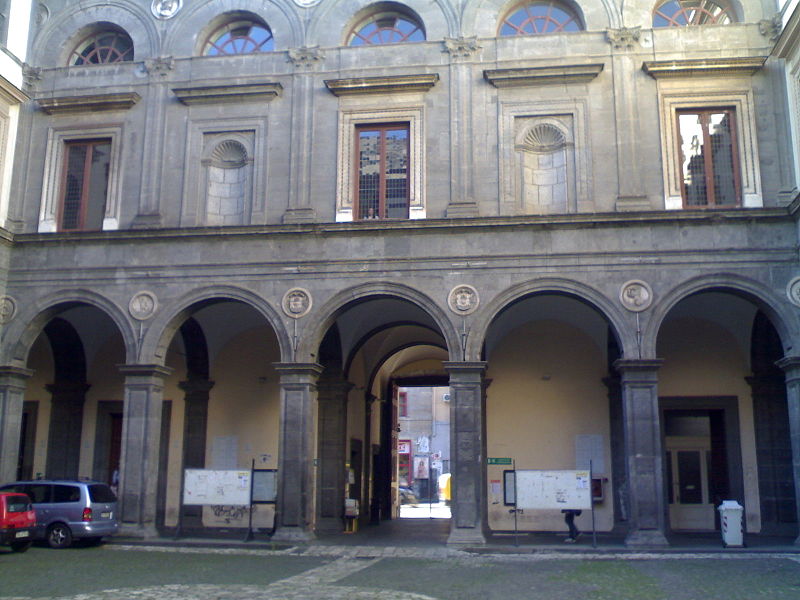
The first act in the history of this building was the purchase in the early years of the 16th century by Don Ferrante Orsini, Duke of Gravina, of two plots of land belonging to the nuns of the nearby monastery of Santa Chiara. In the following years, the building of the palace began, which had to host the Orsini family, representing its prestige, and which is perhaps the greatest example of Neapolitan Renaissance architecture. The most striking element is certainly the facade, characterized on the ground floor by a high ashlar with four small windows on each side, and on the main floor by Corinthian pilasters alternating with white marble windows, surmounted by niches with garlands of fruit and flowers and portrait busts. \The inner courtyard is surrounded by porticoes with arches supported by piperno pillars, embellished with ornamental elements. In 1799, the palace was requisitioned by the Orsini family, to end up in French hands for the whole period of the revolution; in 1837, it was finally expropriated by the creditors of the family. In 1848, a fire devastated it, and the following year - following the acquisition for public utility by royal decree - the reconstruction began and some changes were made, such as the introduction of the ashlar on the side facades. Subsequently, it was the seat of various public administrations. Since 1936, Palazzo Gravina is the seat of the Faculty of Architecture of the University Federico II.

Orsini Palace of Gravina - Napoli | Secret World Trip Planner
✦ Secret World · suggested day

A perfect day in Napoli

Start with Orsini Palace of Gravina, then continue with nearby places selected by Secret World.

  1. 01
    Morning
    Orsini Palace of Gravina
    📍 Napoli
    Start here
  2. 02
    Afternoon
    📍 0 km away
  3. 03
    Evening
    📍 0.1 km away

Collect this place

Turn places you discover into stamps in your Secret Passport.

Open Secret Passport →

Keep exploring · Napoli

Frequently Asked Questions

Don Ferrante Orsini, Duke of Gravina, purchased two plots of land from the nuns of the Santa Chiara monastery in the early 16th century and subsequently began construction of the palace. The building was designed to showcase the prestige and power of the Orsini family and stands as one of the greatest examples of Neapolitan Renaissance architecture.
The facade is striking with a high ashlar ground floor featuring four small windows on each side, while the main floor displays Corinthian pilasters alternating with white marble windows topped by niches containing garlands of fruit and flowers and portrait busts. The inner courtyard is equally impressive, surrounded by porticoes with arches supported by piperno pillars decorated with ornamental elements.
The palace was requisitioned from the Orsini family in 1799 and remained under French control throughout the revolutionary period, eventually being expropriated by creditors in 1837. A devastating fire struck in 1848, but following royal acquisition for public utility in 1849, reconstruction and modifications were made, including the addition of ashlar on the side facades.
Since 1936, Palazzo Gravina has served as the seat of the Faculty of Architecture of the University Federico II in Naples. This use preserves the building's historical significance while keeping it accessible to students and visitors interested in Renaissance architecture.
Yes, the inner courtyard with its porticoes and piperno pillars is one of the palace's most notable features and can be viewed as part of visiting the university faculty. The ornamental arches and architectural details in the courtyard exemplify the Renaissance design that makes this palace architecturally significant.

Experiences nearby · Napoli

Powered by Viator

See more on Viator.com