
← Back

Norman Castle of Oliveto Citra

84020 Oliveto Citra SA, Italia ★★★★☆ 256 views
Melania Apple
Oliveto Citra
🏆 AI Trip Planner 2026

Get the free app

Discover the best of Oliveto Citra with Secret World — the AI trip planner with 1M+ destinations. Get personalized itineraries, hidden gems and local tips. Free on iOS & Android.

🧠 AI Itineraries 🎒 Trip Toolkit 🎮 KnowWhere Game 🎧 Audio Guides 📹 Videos
Scan to download iOS / Android
Scan for AppGallery Huawei users

About Norman Castle of Oliveto Citra

Norman Castle of Oliveto Citra - Oliveto Citra | Secret World Trip Planner

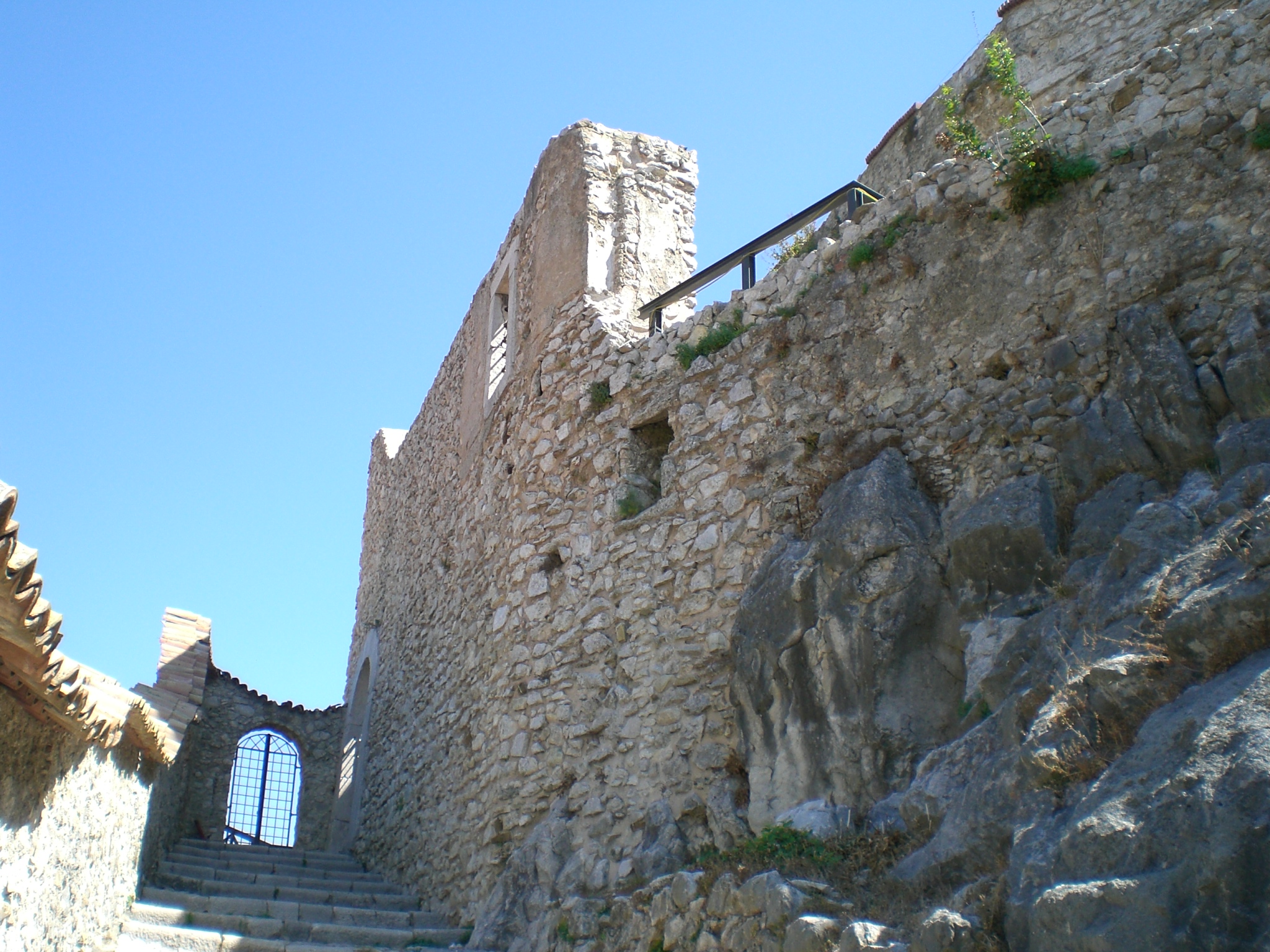
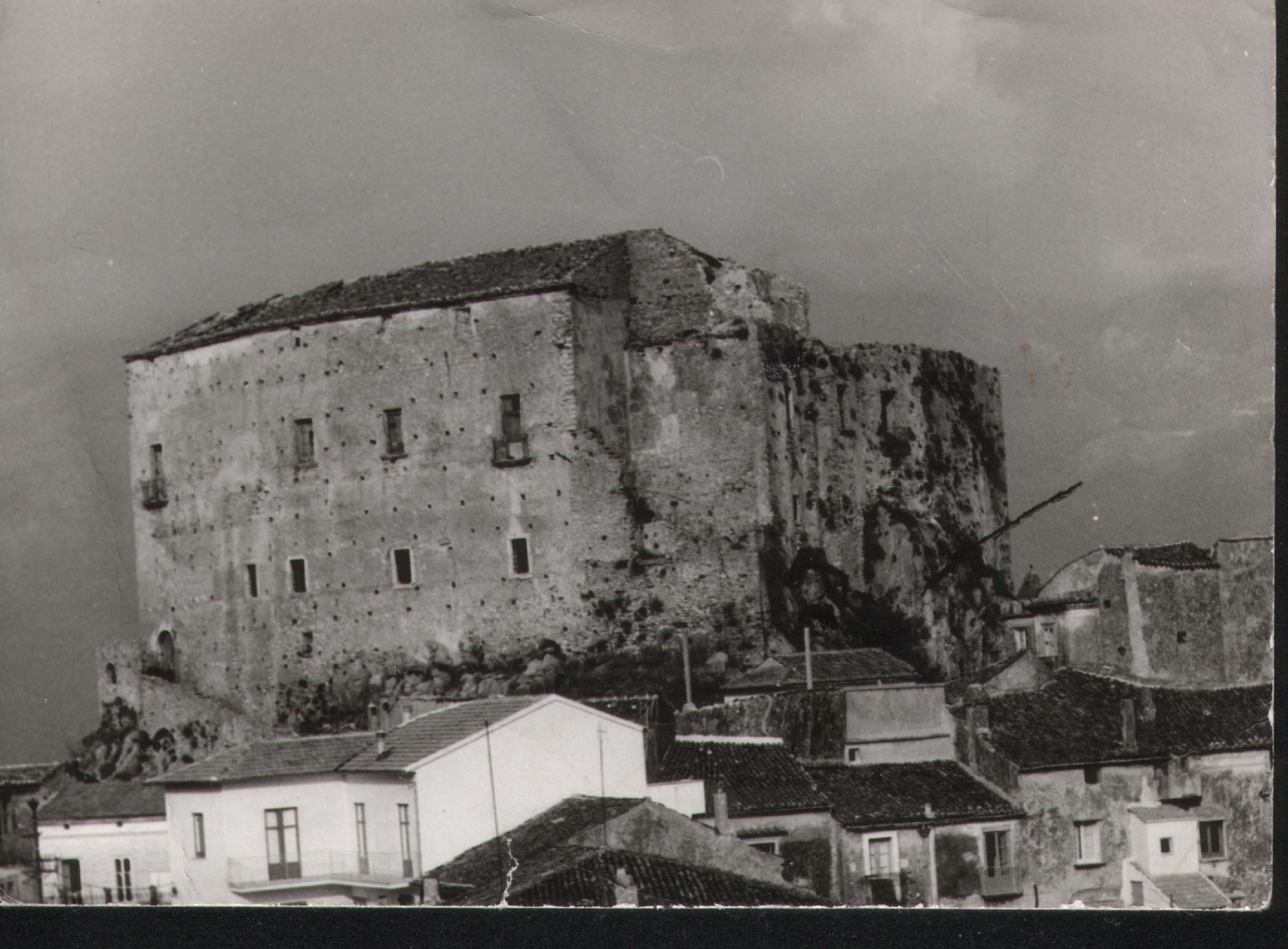
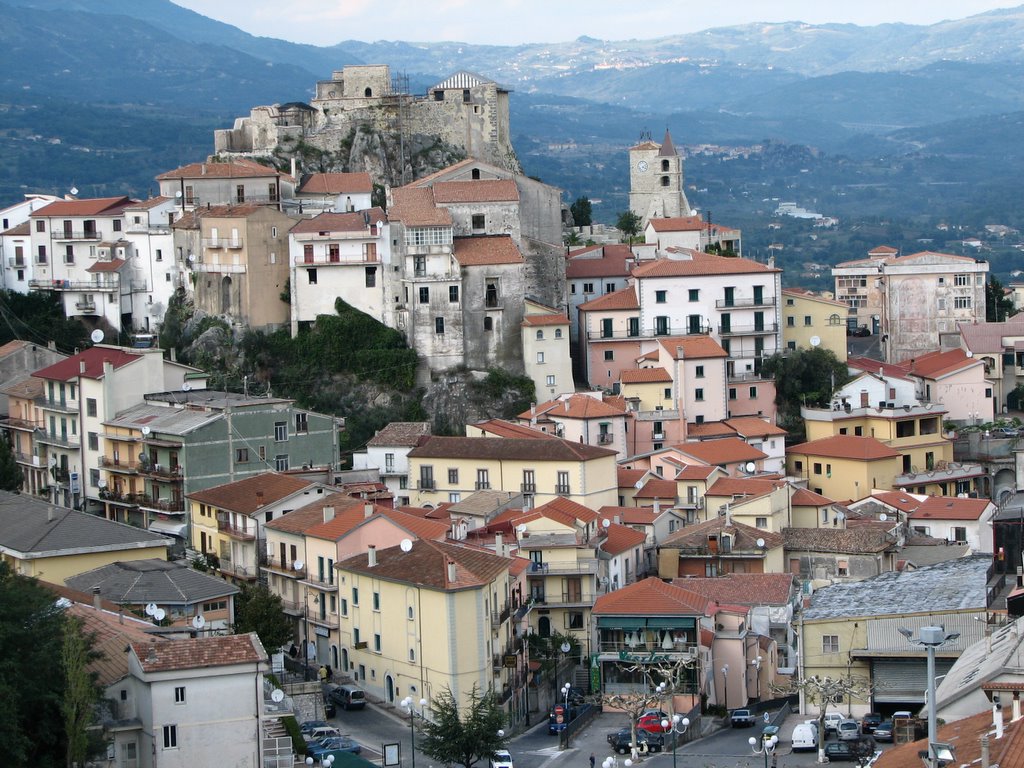
Otherwise known as Guerritore Castle, it overlooks the inhabited center and it is one of the typical baronial castles of the South: built on a compact calcareous rock, it has a vaguely trapezoidal shape and its plan reminds us of a castrense design widely acknowledged in the late Norman fortification, that is a tendentially circocentric enclosure. In the absence of stratigraphic data deducible from an archaeological survey, we can only assume that the new Renaissance fortification has used ancient structures or at least the type mentioned above. The first certain date of the medieval period is 1114, when S. Maria de Foris, a hamlet of Oliveto, was given to the archbishop of Conza by Count Guaimario of Giffoni. From 1600 to the end of 1700 it was therefore inhabited by the feudal lords who held Oliveto and therefore it still presents some windows, some of which are tompagnate, with seventeenth-century or at least late Renaissance stylistic features. Today a section of the building houses the Lucanian Archaeological Museum of the Upper Sele Valley which collects significant evidence of the so-called "Oliveto–Cairano" culture, close to "Fossakultur" or culture of the pit tombs - typical of the Iron Age. Particularly suggestive are the collections of female jewels coming from grave goods datable between the fifth and the sixth century B.C. exhibited here. Earrings, pendants, fibulae, necklaces, bracelets: objects of very fine workmanship and surprisingly contemporary taste.
Norman Castle of Oliveto Citra - Oliveto Citra | Secret World Trip Planner
🗺 L'app dei tesori italiani

Plan your visit to Oliveto Citra

Suggested itinerary near Norman Castle of Oliveto Citra

MAJ+
500.000+ travelers worldwide
  1. 🌅
    Morning
    Norman Castle of Oliveto Citra
    📍 Oliveto Citra
  2. ☀️
    Afternoon
    Oliveto Citra | Guerritore Castle
    📍 0 km · Oliveto Citra
  3. 🌆
    Evening
    Oliveto Citra: Church of S.Maria Della Misericordia
    📍 0.7 km · Oliveto Citra

Buy Unique Travel Experiences

Powered by Viator

See more on Viator.com

Explore nearby · Oliveto Citra

Frequently Asked Questions

The castle, also known as Guerritore Castle, dates back to at least 1114 when S. Maria de Foris hamlet was given to the archbishop of Conza by Count Guaimario of Giffoni. Built on a compact calcareous rock with a trapezoidal shape typical of late Norman fortifications, the castle was inhabited by feudal lords from 1600 through the end of the 1700s, and still features Renaissance-era windows and architectural elements from that period.
A section of the castle now houses the Lucanian Archaeological Museum of the Upper Sele Valley, which showcases significant artifacts from the Iron Age 'Oliveto-Cairano' culture. The museum's most impressive collections feature exceptionally fine female jewelry from grave goods dating between the fifth and sixth centuries B.C., including earrings, pendants, fibulae, necklaces, and bracelets with surprisingly contemporary design.
The castle displays a distinctive trapezoidal shape built on a compact calcareous rock and follows a late Norman castrense design with a circocentric enclosure pattern. The structure preserves numerous seventeenth-century and late Renaissance windows, some of which are tompagnate (blocked), reflecting the architectural styles of the feudal lords who inhabited it during the 1600s-1700s.
The 'Oliveto-Cairano' culture is an Iron Age archaeological culture closely related to the 'Fossakultur' or culture of pit tombs, with significant evidence collected and exhibited at the Lucanian Archaeological Museum housed in the castle. The museum features remarkable grave goods dating from the fifth to sixth centuries B.C., providing insight into the sophisticated craftsmanship and artistic sensibilities of this ancient civilization.
The female jewelry collection in the castle's museum is exceptionally noteworthy for its fine workmanship and surprisingly contemporary aesthetic design, with pieces including intricate earrings, pendants, fibulae, necklaces, and bracelets dating to the fifth and sixth centuries B.C. These grave goods offer a fascinating glimpse into both the artistry and fashion sensibilities of the ancient Iron Age population who inhabited the Upper Sele Valley region.