← Back

Ming Xiaoling Mausoleum

3R5M+7RP, Xuanwu, Nanjing, Jiangsu, China, 210000 ★★★★☆ 346 views
Lara Zivago
Nanjing
🏆 AI Trip Planner 2026

Get the free app

Discover the best of Nanjing with Secret World — the AI trip planner with 1M+ destinations. Get personalized itineraries, hidden gems and local tips. Free on iOS & Android.

🧠 AI Itineraries 🎒 Trip Toolkit 🎮 KnowWhere Game 🎧 Audio Guides 📹 Videos
Scan to download iOS / Android
Scan for AppGallery Huawei users

About Ming Xiaoling Mausoleum

Ming Xiaoling Mausoleum - Nanjing | Secret World Trip Planner

Ming Xiaoling Mausoleum, situated in Nanjing, China, stands as one of the largest and grandest imperial mausoleums, serving as the final resting place for Zhu Yuanzhang, also known as the Hongwu Emperor, who founded the Ming Dynasty. Notably, he is the only Ming Dynasty emperor buried outside of Beijing.

Ming Xiaoling Mausoleum - Nanjing | Secret World Trip Planner

The construction of the mausoleum commenced in 1383, while the Hongwu Emperor was still alive. Over the course of 24 years, the emperor passed away, and his son, the Yongle Emperor, ascended to power. The mausoleum covers an expansive area of more than 2,600 meters, featuring over 30 buildings. What sets Ming Xiaoling apart is its layout, resembling a palace rather than a traditional tomb, marking a departure from contemporary practices. This unique design became influential, with more than 20 imperial mausoleums adopting a similar layout over the next five centuries.

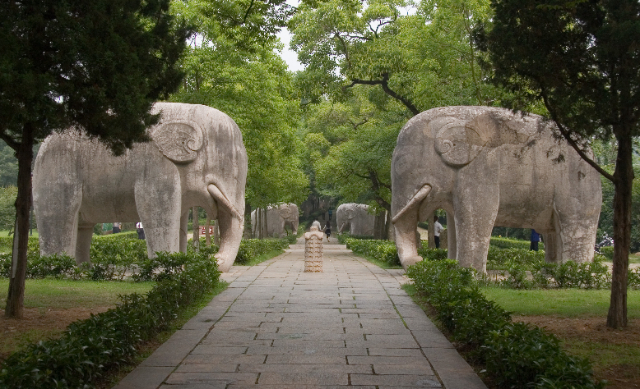
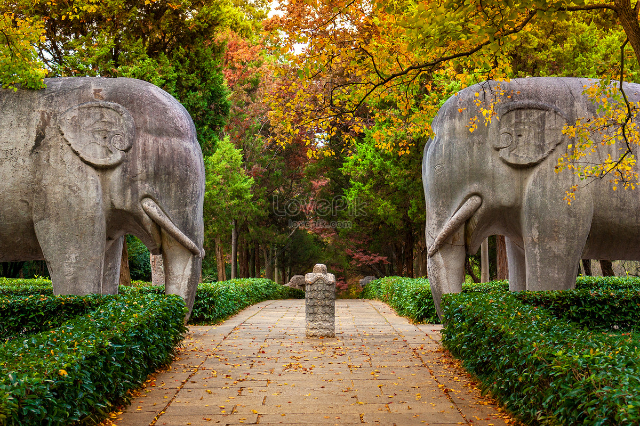
To embark on a visit to this monumental tomb complex, one begins at the 1800-meter "spirit path" or "sacred way." This processional path is adorned with pairs of stone statues representing various animals like lions, camels, elephants, and horses, serving as protectors of the tomb, warding off evil spirits. Among these statues, hidden mythical creatures such as xiè zhì and qílín can be found.
Ming Xiaoling Mausoleum - Nanjing | Secret World Trip Planner

Continuing along Wengzhong Road, the path is lined with statues representing ministers and generals, standing guard for centuries to protect the tomb from potential harm. The Lingxing Gate, located at the end of Wengzhong Road, was reconstructed in 2006 after being destroyed at some point.

The grand stone frontage of the tomb awaits at the end of the processional path, featuring a towering retaining wall for the enormous earth tumulus, Mínglóu, housing the unexcavated tomb of the emperor. A tortoise supporting a carved stone stele, topped by intertwining dragons, greets visitors inside the gates. The inscription on the stele highlights the merits and virtues of the Hongwu Emperor, as penned by his son.
Ming Xiaoling Mausoleum - Nanjing | Secret World Trip Planner

While other Ming emperors are buried at the Ming Tombs near Beijing, Emperor Zhu Yuanzhang shares his resting place with his wife, Queen Ma, who was buried at Ming Xiaoling Mausoleum in 1384.


🗺 L'app dei tesori italiani

Plan your visit to Nanjing

Suggested itinerary near Ming Xiaoling Mausoleum

MAJ+
500.000+ travelers worldwide
  1. 🌅
    Morning
    Ming Xiaoling Mausoleum
    📍 Nanjing
  2. ☀️
    Afternoon
    Dr. Sun Yat-Sen's Mausoleum
    📍 1.8 km · Nanjing
  3. 🌆
    Evening
    Tangbao, sublime steamed dumplings
    📍 3.6 km · Nanjing

Buy Unique Travel Experiences

Powered by Viator

See more on Viator.com

Explore nearby · Nanjing

Frequently Asked Questions

Ming Xiaoling is unique because it is the only Ming Dynasty emperor's tomb located outside of Beijing, serving as the final resting place of the Hongwu Emperor, who founded the Ming Dynasty. Additionally, its palace-like layout departed from traditional tomb designs of the era and became so influential that over 20 imperial mausoleums adopted similar layouts over the next five centuries.
The spirit path, also called the sacred way, stretches for 1,800 meters and is adorned with pairs of stone statues representing protective animals including lions, camels, elephants, and horses, along with mythical creatures like xiè zhì and qílín. These statues served as spiritual guardians to ward off evil spirits and protect the emperor's tomb.
Ming Xiaoling covers an expansive area of more than 2,600 meters and features over 30 buildings throughout the complex. The site includes the 1,800-meter spirit path, Wengzhong Road lined with minister and general statues, the reconstructed Lingxing Gate, and the grand stone frontage with the Mínglóu earth tumulus housing the unexcavated tomb.
Construction of the mausoleum began in 1383 while the Hongwu Emperor was still alive and took 24 years to complete. The emperor eventually passed away and was buried in this monumental complex, which stands today as one of the largest and grandest imperial mausoleums in China.
At the entrance within the gates, visitors will encounter a tortoise supporting a carved stone stele topped by intertwining dragons, which contains inscriptions highlighting the merits and virtues of the Hongwu Emperor. The grand stone frontage also features a towering retaining wall for the enormous Mínglóu earth tumulus that houses the emperor's unexcavated tomb.