






In the heart of Stuttgart, where the legacy of automotive excellence runs deep, the Mercedes-Benz Museum stands as a monument to innovation and engineering prowess. This extraordinary museum, located at coordinates 48.7883496, 9.2337622, is not just a showcase of vehicles but a journey through the very evolution of the automobile industry, encapsulating over 125 years of history in a single, uninterrupted timeline.

The origins of the Mercedes-Benz Museum are intricately tied to the very birth of the automobile. Gottlieb Daimler and Karl Benz, two pioneering figures whose innovations in the late 19th century laid the groundwork for modern automotive engineering, are celebrated here. The museum, which opened its doors in 2006, is a tribute to their legacy and the subsequent impact of Mercedes-Benz on global transportation. It uniquely documents the transition from the first patented car in 1886 to the sophisticated, intelligent vehicles of today.
Architecturally, the Mercedes-Benz Museum is a marvel. Designed by the Dutch architectural firm UNStudio, the building itself is an artistic expression of fluidity and motion. Its spiral structure, reminiscent of a double helix, allows visitors to traverse the history of Mercedes-Benz in a continuous, flowing pathway. The building's exterior is crafted from aluminum and glass, creating a modern aesthetic that is as sleek and innovative as the cars it houses. Inside, the museum features over 1,500 exhibits, including 160 vehicles, and the design cleverly integrates the concepts of speed and innovation into its spatial layout.
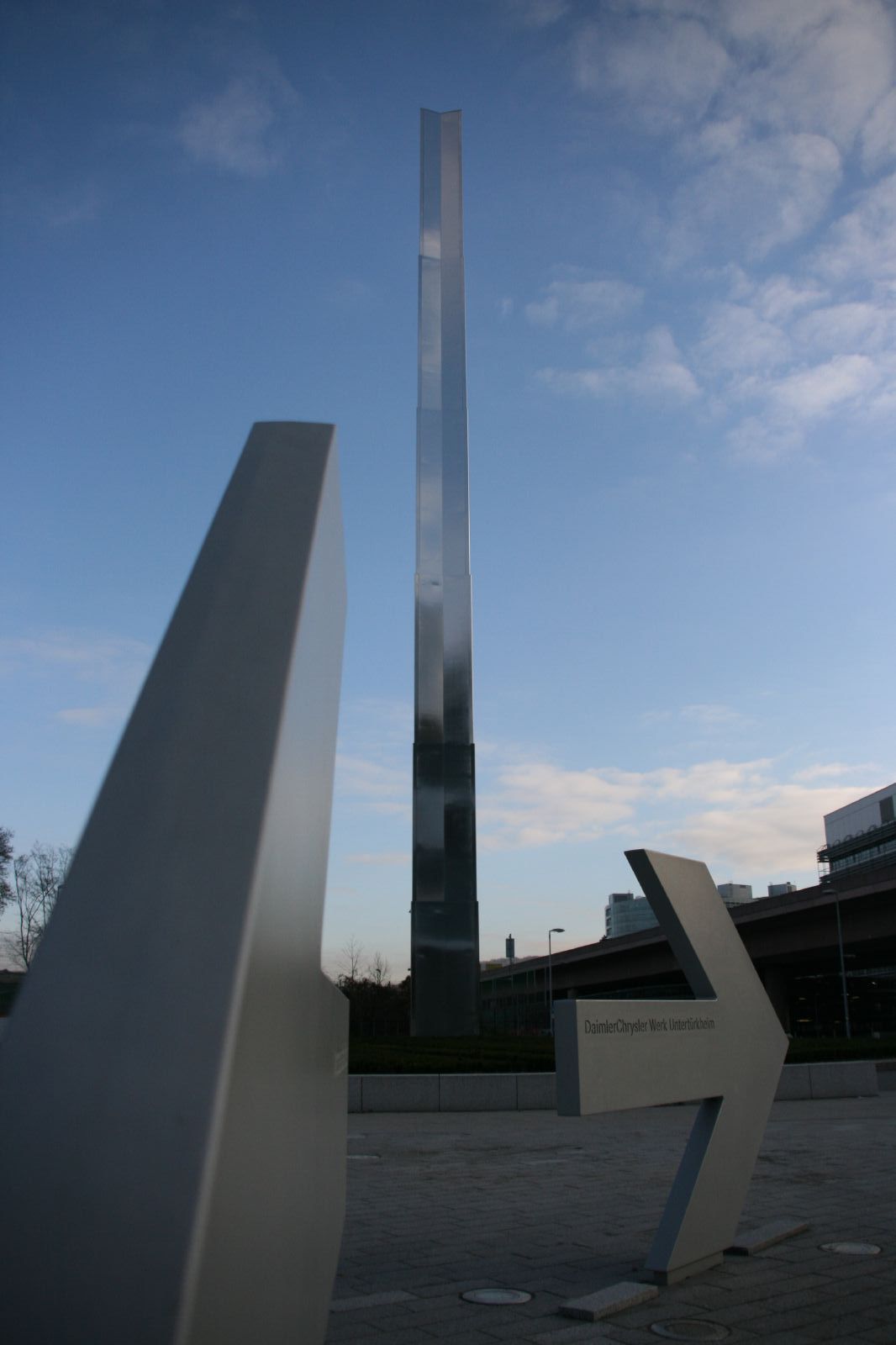
Stuttgart, the museum's host city, is deeply embedded in the culture of engineering and precision. Each summer, the city celebrates the Cannstatter Volksfest, a traditional festival that rivals Munich’s Oktoberfest, though with a distinct Swabian character. Visitors might time their museum visit to coincide with this vibrant cultural event, which showcases local customs through music, food, and lively parades, offering a glimpse into the rich traditions of the region.
Gastronomy in Stuttgart provides a delectable experience that complements a visit to the Mercedes-Benz Museum. Traditional Swabian cuisine includes dishes like Maultaschen (a kind of dumpling) and Spätzle (soft egg noodles), which are a must-try for any culinary enthusiast. Pair these with a glass of local Trollinger wine or a refreshing Wulle beer to savor the authentic flavors of the region.
Beyond its main exhibitions, the Mercedes-Benz Museum is home to several lesser-known curiosities. For instance, the museum's Legend Rooms offer thematic displays that delve into the brand's storied past. An intriguing feature is the Fascination of Technology exhibit, where visitors can engage with interactive displays that explain the cutting-edge technology behind modern Mercedes-Benz vehicles. Additionally, the museum houses the Silver Arrow race cars, offering a nostalgic glimpse into the brand's competitive racing history.
For those planning to visit, the Mercedes-Benz Museum is open year-round, but the best time to experience it is during the spring or fall when Stuttgart’s weather is mild and pleasant, enhancing the overall experience. Arrive early to avoid crowds and take advantage of the audio guides available in multiple languages, which provide insightful commentary on the exhibits. Be sure to allocate several hours to fully explore the museum’s extensive collections.
In conclusion, the Mercedes-Benz Museum is not simply an attraction; it is a testament to human ingenuity and the relentless pursuit of excellence. Its unique blend of history, art, and culture, set against the backdrop of Stuttgart’s vibrant traditions, makes it an essential visit for automotive enthusiasts and cultural explorers alike. The next time you find yourself in southern Germany, let the Mercedes-Benz Museum take you on a journey through time as you explore the fascinating world of automotive engineering.