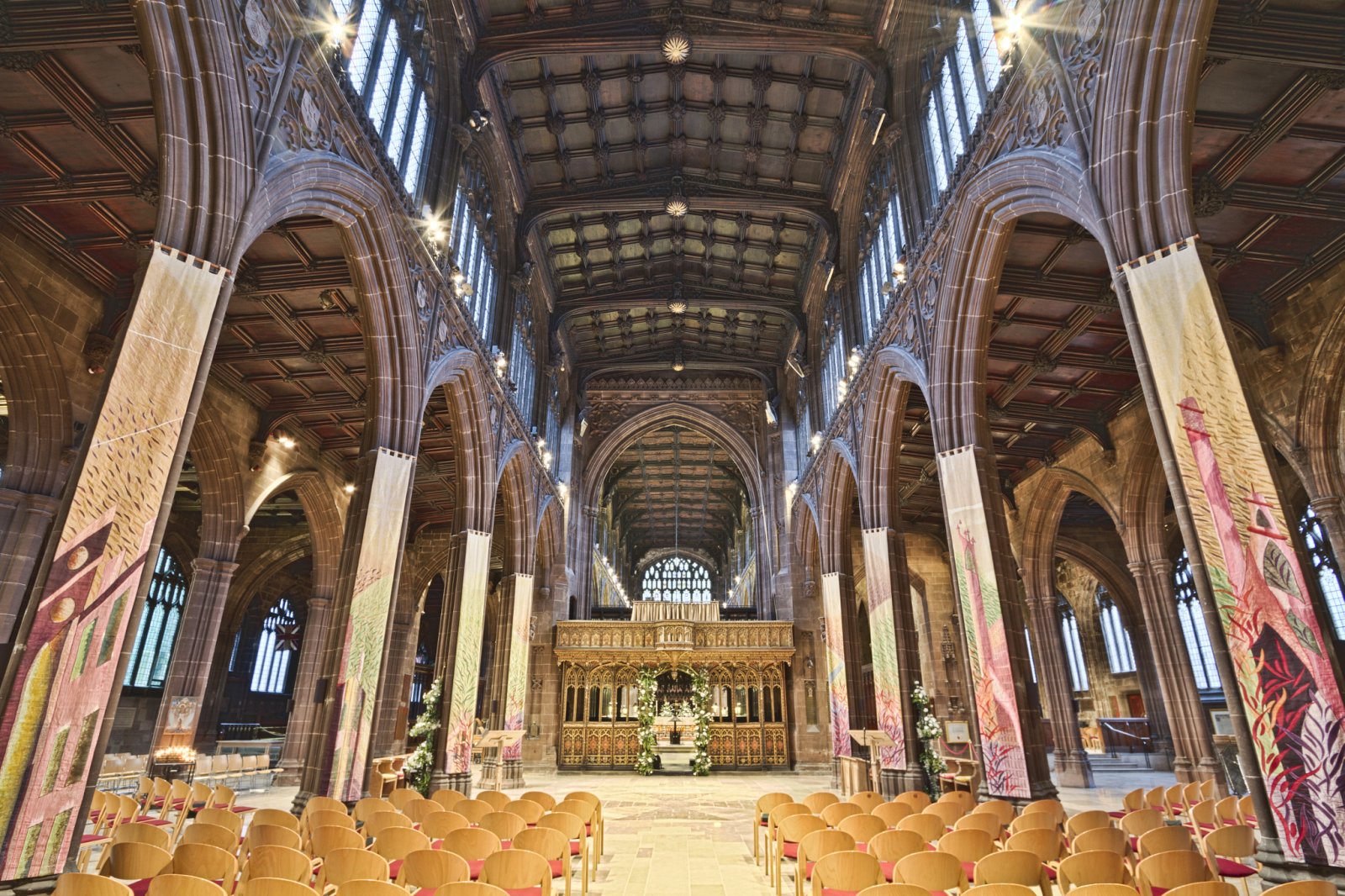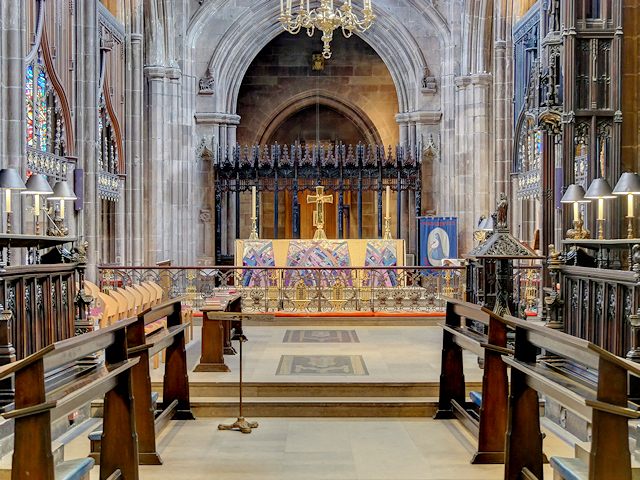
In the heart of Manchester, where the echoes of industrial revolution meet the whispers of medieval history, lies the Manchester Cathedral. Known officially as the Collegiate Church of St. Mary, St. Denys and St. George, this remarkable structure stands as a testament to the resilience and spirit of a city that has weathered wars, industrial booms, and social upheavals.
### History and Origins
The origins of Manchester Cathedral date back to 1215, making it one of the oldest structures in the city. Originally established as the parish church for the burgeoning town of Manchester, it was commissioned by Baron Robert Greslet, Lord of Manchester, who sought a place of worship adjacent to his residence. The cathedral was elevated to collegiate status in 1847, allowing it to serve a growing population.
Over the centuries, Manchester Cathedral has witnessed significant historical events, including the English Civil War and the tragic Manchester Blitz during World War II. The bombing raids of 1940 ravaged parts of the cathedral, resulting in the loss of many of its stunning stained glass windows. However, a dedicated restoration effort took nearly twenty years, bringing back its former glory while integrating modern elements to reflect the city’s ongoing narrative.
### Art and Architecture
The architectural style of Manchester Cathedral is predominantly Gothic, characterized by its intricate stonework and soaring arches. The choir stalls and ceiling are particularly noteworthy, showcasing some of the finest examples of medieval cabinetry in the North of England. Here, visitors can marvel at the expertly carved figures, each telling a story of faith and devotion through intricate detail.
One cannot overlook the cathedral's stained glass windows, which serve as poignant reminders of both destruction and renewal. The East Window, dedicated in 1996, features a modern design that symbolizes rebirth and resilience. The contrasting styles of old and new represent the city's journey through adversity, making them a focal point for art enthusiasts and history buffs alike.
### Local Culture and Traditions
As a centerpiece of the community, Manchester Cathedral plays a vital role in local customs and traditions. The cathedral hosts various events throughout the year, including the Christmas Carol Service, which draws crowds from across the city. Each Easter, the cathedral becomes a hub for religious observances, where locals come together to celebrate the season's significance.
The Manchester International Festival, held biennially, often features performances and installations within the cathedral, merging contemporary art with the historic setting. This blending of culture reflects the city’s dynamic spirit, showcasing how the past and present can coexist harmoniously.
### Gastronomy
Visiting Manchester wouldn’t be complete without indulging in its local gastronomy. The city is renowned for its hearty dishes, and just a stone's throw from the cathedral, you can find eateries serving up traditional Lancashire hotpot—a delicious stew of lamb and vegetables topped with potatoes.
Another local favorite is the Manchester Tart, a sweet pastry filled with jam and custard, often topped with coconut. Pair these delights with a pint of the city's famous ales, such as Boddingtons, and you’ll experience a slice of Manchester’s culinary heritage.
### Lesser-Known Curiosities
Among the many stories that swirl around Manchester Cathedral, one lesser-known fact is the "Cathedral Cats" phenomenon. The cathedral is home to a number of feline residents that have become beloved by visitors and staff alike. These cats are often seen lounging around the grounds, adding a touch of warmth to the solemnity of the space.
Another curiosity lies in the cathedral's "Whalley Range" bell, which was cast in 1882. It has an unusual nickname, “Old Joe,” and is known for producing a deep, resonant sound that can be heard throughout the surrounding area. The bell has become a symbol of community spirit, often marking significant events.
### Practical Visitor Information
The best time to visit Manchester Cathedral is during the spring and summer months when the weather is mild, allowing for leisurely exploration of the churchyard and surrounding areas. The cathedral is open daily, with guided tours available that provide deeper insights into its history and architecture.
When visiting, be sure to look closely at the pulpit, which features intricate carvings depicting scenes from the Bible. Also, don't miss the opportunity to spend time in the peaceful Gardens of Remembrance, a contemplative space that honors those lost in the city's turbulent history.
For a more personalized experience, consider using the Secret World app to plan your visit, ensuring you capture all the hidden gems that Manchester has to offer.