In the heart of the suffering Hiroshima, where memory intertwines with hope, the Peace Museum stands. This place is not only a monument to the tragic events of August 6, 1945, when the city was devastated by an atomic bomb, but also a symbol of resilience and commitment to a future without nuclear weapons. Amidst the greenery of the gardens and the commemorative monuments, the Peace Museum invites visitors to reflect on the fragility of life and the importance of peace in the world.

In this serene context, the museum offers a space for introspection and learning, telling stories of people who have lived through the horrors of war and destruction, but who have also found ways to rebuild their lives. With an extraordinary collection of photographs, documents, and objects, the museum not only preserves the memory of the past but inspires a new generation to work for a better future.
The Story Behind the Museum
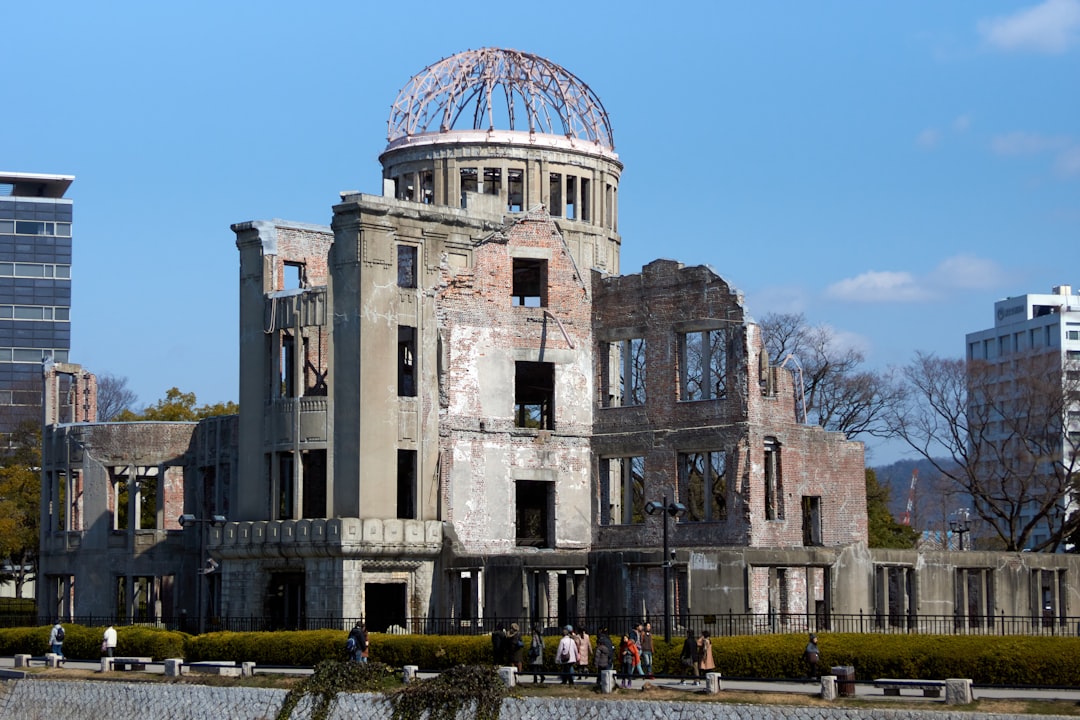
Founded in 1955, the Hiroshima Peace Memorial Museum was created to commemorate the victims of the atomic bomb and to educate future generations about the reality of nuclear war. The structure is located within the Peace Memorial Park, an area that spans over 120,000 square meters and hosts various monuments, commemorations, and green spaces. The architecture of the museum is designed to be simple and touching, allowing visitors to focus on its main mission: the promotion of peace.
The museum is divided into several sections that tell the story of the city before and after the bomb, the experiences of the survivors, known as hibakusha, and the long-term consequences of radiation. Through interviews and testimonies, the exhibition invites visitors to enter the lives of those who endured this tragedy, making the pain and human resilience palpable.

A Reflective Experience
Walking through the museum is a journey that goes beyond simple learning; it is an emotional experience that evokes deep reflections. The layout of the spaces is designed to allow visitors to take the necessary time to absorb each story, each image. One of the most touching sections is dedicated to the personal belongings of the victims, which speak of shattered lives and broken hopes. These items, such as clothing, toys, and photographs, offer a human connection that makes the historical narrative even more impactful.
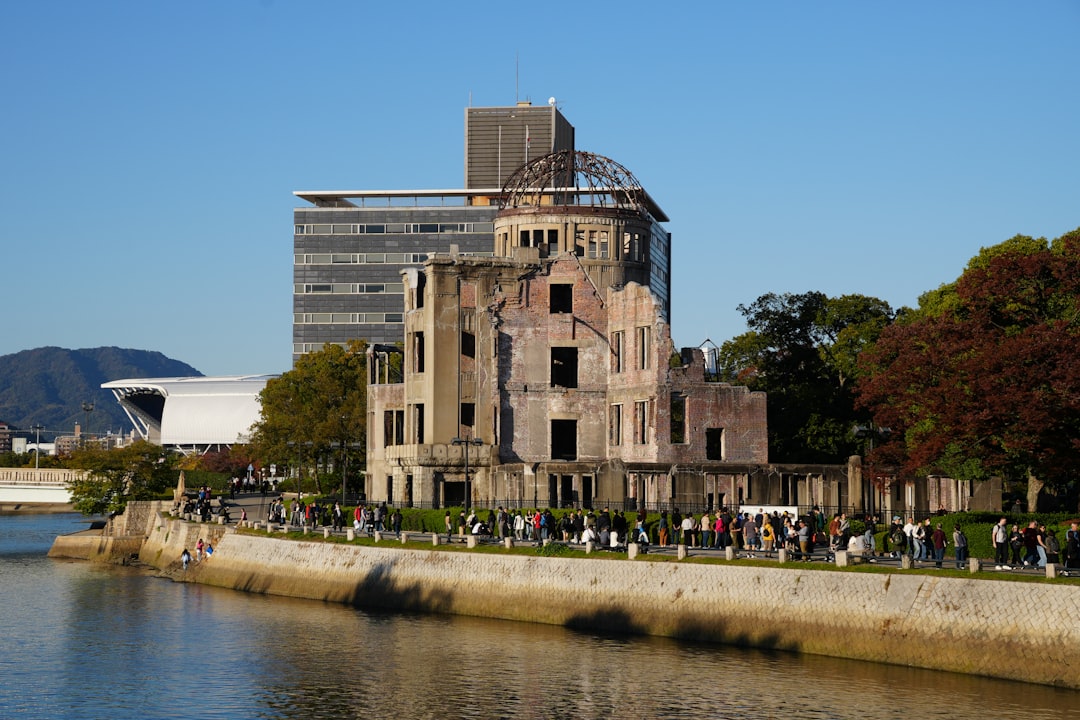
The museum does not only look to the past but also projects itself towards the future, promoting initiatives for peace and nuclear disarmament. Through educational programs and temporary exhibitions, the Hiroshima Peace Museum is committed to raising visitors' awareness of the importance of non-violence and international cooperation, making the message of peace universal and relevant.
The Peace Park: A Sanctuary of Memory

The Peace Park in Hiroshima is a place where pain is transformed into hope. Through the tree-lined paths and green spaces, visitors can approach various monuments dedicated to the victims of the atomic bomb. Among these is the Children's Peace Monument, supported by a statue of Sadako Sasaki, a young girl who tried to make 1,000 paper cranes in her battle against leukemia, a disease caused by radiation. This monument has become a symbol of peace and hope, attracting visitors from around the world who bring origami cranes as a sign of solidarity.
The park is also a meeting place for communities and activists, who gather to commemorate the victims and promote awareness events. Every year, on August 6th, the city holds a commemoration ceremony that attracts thousands of participants, a moment of gathering and collective reflection to honor those who lost their lives and to renew the commitment to a future of peace.
Conclusion: An Invitation to Peace
The Hiroshima Peace Museum is much more than a simple historical exhibition; it is a powerful invitation to reflect on the consequences of wars and the importance of peace. Visiting this place means not only paying tribute to the victims but also embracing the hope for a better future through education and understanding. The beauty of the Peace Park, with its monuments and green spaces, offers a significant contrast to the horror of history, creating an environment where memory and hope can coexist.
In a world still marked by conflicts and tensions, the Hiroshima Peace Museum reminds us that true strength lies in our ability to learn from the past and to commit to a future without wars. Every visit is a step towards building a world where peace can thrive, a universal message that the museum continues to spread with passion and determination.