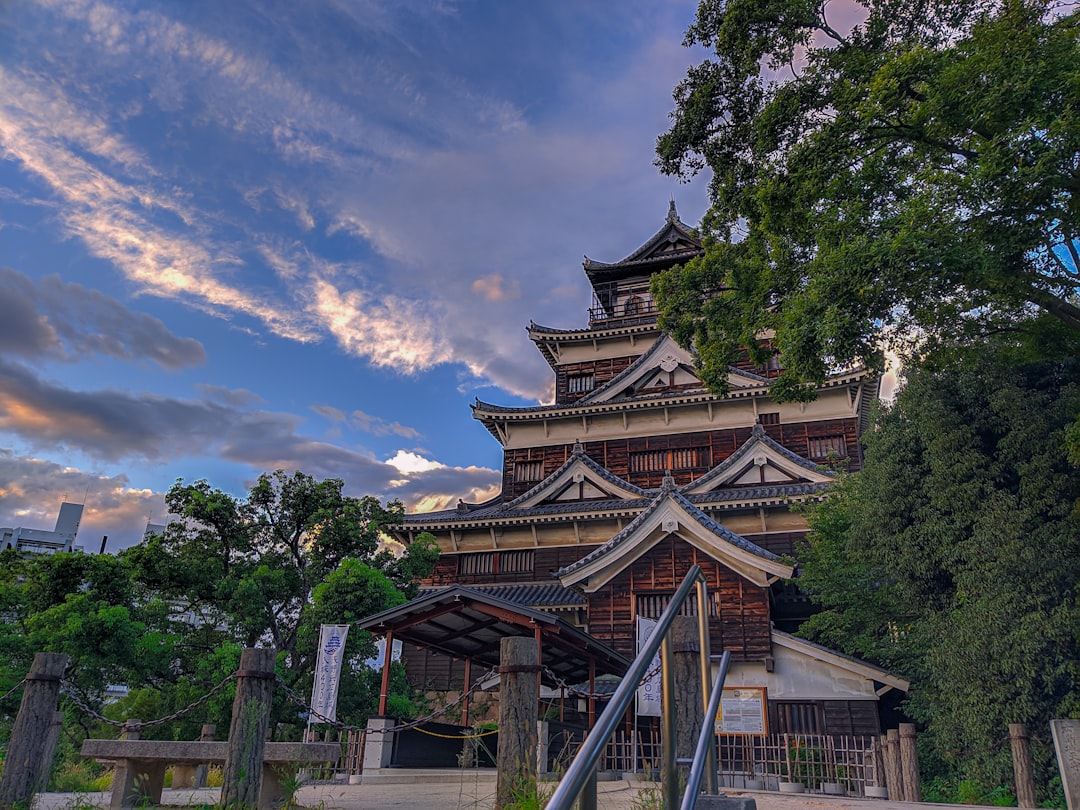

Located in the heart of Hiroshima, Hiroshima Castle is a symbol of resilience and history. Also known as Carp Castle, this castle is an extraordinary example of Japanese architecture from the feudal period. Its strategic location on the banks of the Otagawa River has played a fundamental role in the region's history, making it a must-visit for anyone traveling to the city.

Built in the late 16th century, the castle was the residence of the daimyō of Hiroshima Province. Today, after several reconstruction efforts, the castle not only represents an important tourist attraction but is also a museum that tells the story of Hiroshima before World War II.
History and Origins

Hiroshima Castle was erected between 1589 and 1599 by Mōri Terumoto, one of the leading generals in the service of Toyotomi Hideyoshi. Initially, the area where the castle stood was known as Gokamura, a collection of five villages. With the construction of the castle, the locality's name changed to Hiroshima, a name that reflected the strategic importance of the site. Mōri Terumoto used the castle as a command center to govern several provinces, making it a political and cultural hub of the region.
During the Meiji period, much of the original castle was dismantled, but the main structure was rebuilt in 1958, replicating the architectural lines of the original castle. This act of reconstruction not only preserved the historical memory of the castle but also allowed it to be transformed into a museum that showcases the city's history and its evolution over time.
Elements to Observe
A visit to Hiroshima Castle offers the opportunity to admire not only the majestic structure of the castle itself but also the beautiful surrounding park. The carefully designed gardens provide a tranquil refuge in the heart of the city, with cherry trees that bloom in spring, creating a charming spectacle. Inside the castle, the museum houses a vast collection of historical artifacts, including armor, weapons, and documents that tell the story of daily life during the feudal period.
Moreover, the panoramic view from the top of the castle is unmissable. From the terrace, visitors can enjoy a wide view of the city of Hiroshima and the Otagawa River, an experience that connects the past and present in an extraordinary way. Every corner of the castle tells a story, making the visit a journey through time.
Why It Is Interesting Today
Today, Hiroshima Castle is not only a historical monument but also a symbol of rebirth. After the devastation of the atomic bombing in 1945, the reconstruction of the castle represented an act of hope and resilience for the city and its inhabitants. Its presence is a constant reminder of Hiroshima's history and the city's ability to rebuild and thrive.
Furthermore, the castle is an integral part of Hiroshima's cultural fabric, hosting events and festivals that celebrate Japanese tradition. Its accessibility and charm make it a must-see for tourists and residents alike, helping to keep the historical and cultural memory of the city alive.
Practical Information for Visitors
Hiroshima Castle is easily accessible by public transport, located a short distance from the city's main station. Opening hours vary depending on the season, so it is advisable to check in advance to plan your visit. Admission to the museum is charged, but the cost is reasonable and justified by the wealth of information and the quality of the exhibits.
Finally, don't forget to download the Secret World app for more tips and information on what to see and do in Hiroshima. With its fascinating history and spirit of rebirth, Hiroshima Castle is a place that invites reflection and discovery.