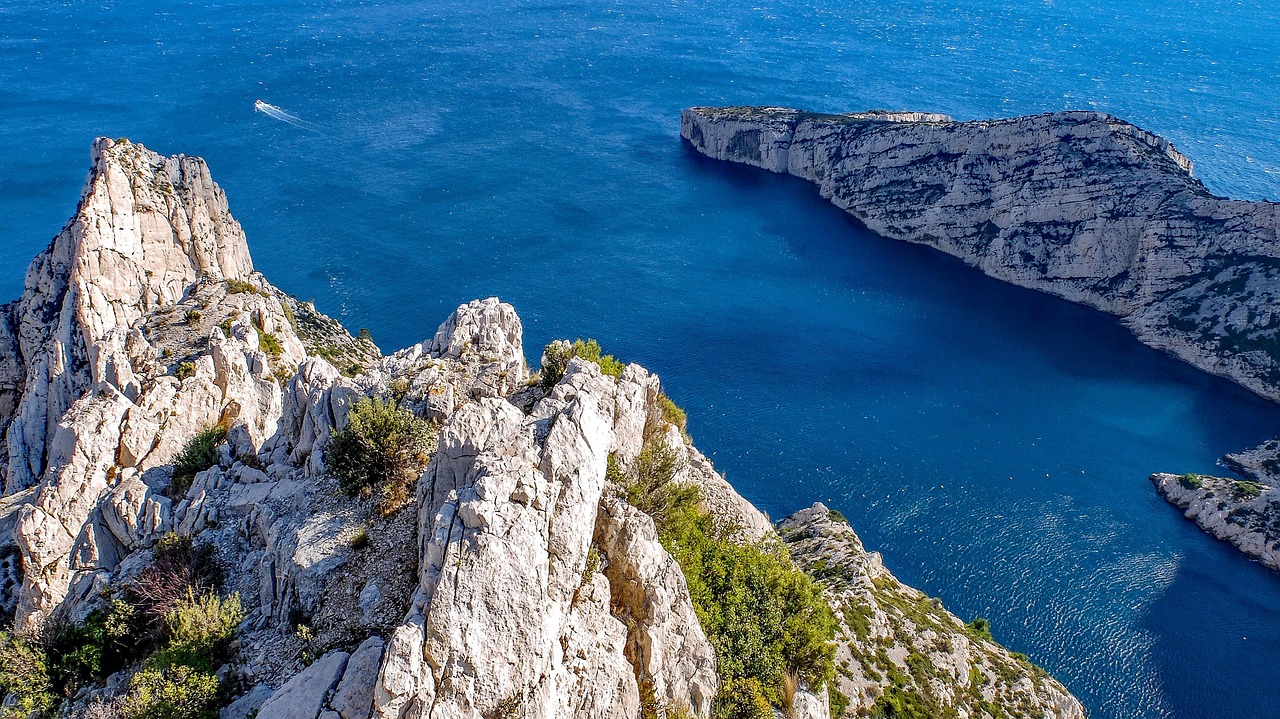
Nestled between the vibrant city of Marseille and the charming coastal town of Cassis, the Calanques stand as one of the most breathtaking natural wonders in France. With their striking white limestone cliffs that plunge dramatically into the Mediterranean Sea, the Calanques National Park is a haven for nature lovers, hikers, and those seeking solace in stunning landscapes. This article delves into the rich tapestry of history, culture, and gastronomy that makes the Calanques a must-visit destination.
### History and Origins The origins of the Calanques date back to the Ancient Greek and Roman periods when the area was inhabited and utilized for its strategic coastal location. The name “Calanque” itself derives from the Occitan word for “nook” or “inlet,” reflecting the region's rugged coastline. Historically, the Calanques served as both a refuge for fishermen and a hideout for pirates. During the 18th century, the area began to attract artists and writers, drawn by the mesmerizing beauty of its landscapes.
In 2012, the Calanques were designated as a national park, protecting its unique ecosystem and ensuring that future generations could enjoy its pristine beauty. The park covers an area of approximately 20 kilometers along the coast, with its highest peak, Mont Puget, standing at 565 meters above sea level, offering panoramic views of the surrounding waters.
### Art and Architecture While the Calanques themselves are a natural masterpiece, they have inspired numerous artists over the centuries. The light and colors of the area have been captured in paintings by famous artists such as Paul Cézanne, who found inspiration in the dramatic landscapes for many of his works. The architectural style in nearby Cassis reflects traditional Provençal charm, with pastel-colored buildings and narrow streets that invite exploration.
The region’s artistic significance extends to the Calanques themselves, where the rugged cliffs and unique geological formations create a canvas for nature’s artwork, appealing to photographers and nature enthusiasts alike. The interplay of light and shadow over the cliffs at sunrise and sunset is a sight not to be missed.
### Local Culture and Traditions The local culture around the Calanques embodies the laid-back lifestyle of the Provence region. Festivals such as the Fête de la Saint-Pierre in Cassis, celebrated every June, honor the patron saint of fishermen and showcase traditional music, dance, and gastronomy. The community comes alive with colorful processions leading to the sea, where offerings are made to ensure a bountiful catch.
In Marseille, the vibrant port city nearby, influences from Mediterranean cultures blend seamlessly, resulting in a rich tapestry of traditions, from the famous bouillabaisse seafood stew to the lively apéro culture, where locals gather for drinks and snacks at sunset.
### Gastronomy The culinary scene around the Calanques is a delightful fusion of Mediterranean flavors. Fresh seafood reigns supreme, with local specialties like calamari, octopus, and the aforementioned bouillabaisse served in many coastal restaurants. The region is also known for its aïoli, a garlic mayonnaise that accompanies many dishes, and pissaladière, a savory tart topped with caramelized onions, anchovies, and olives.
Pair your meal with a glass of rosé wine from the nearby vineyards, which perfectly complements the fresh flavors of the area. Don’t forget to try herb-infused olive oils and local cheeses for a true taste of Provençal cuisine.
### Lesser-Known Curiosities One of the most intriguing aspects of the Calanques is its diverse flora and fauna. The area is home to rare species of plants and animals, some of which are endemic to the region. The Calanques also feature numerous hidden coves and secluded beaches, such as Calanque d’En-Vau, renowned for its turquoise waters and dramatic cliffs, offering a more tranquil experience away from the main tourist trails.
Additionally, many visitors are unaware that the Calanques are a popular spot for rock climbing due to their challenging cliffs and stunning views. The area hosts an annual climbing festival, attracting enthusiasts from around the world.
### Practical Visitor Information The best time to visit the Calanques is during the spring and early fall, when the weather is mild, and the landscapes are lush. Summer can be extremely hot and crowded, especially in peak tourist season. Hiking trails are well-marked and range in difficulty, making it accessible for all levels of adventurers. Be sure to bring plenty of water and sun protection, as some trails can be exposed.
Visitors can access the Calanques by foot from Marseille or Cassis, or by boat for a different perspective of the stunning coastline. Guided tours are also available and can enhance your experience with local insights.
As you explore the Calanques, immerse yourself in the beauty of the landscape, the rich history, and the vibrant local culture. For a personalized itinerary to uncover all that Marseille has to offer, consider using the Secret World app.