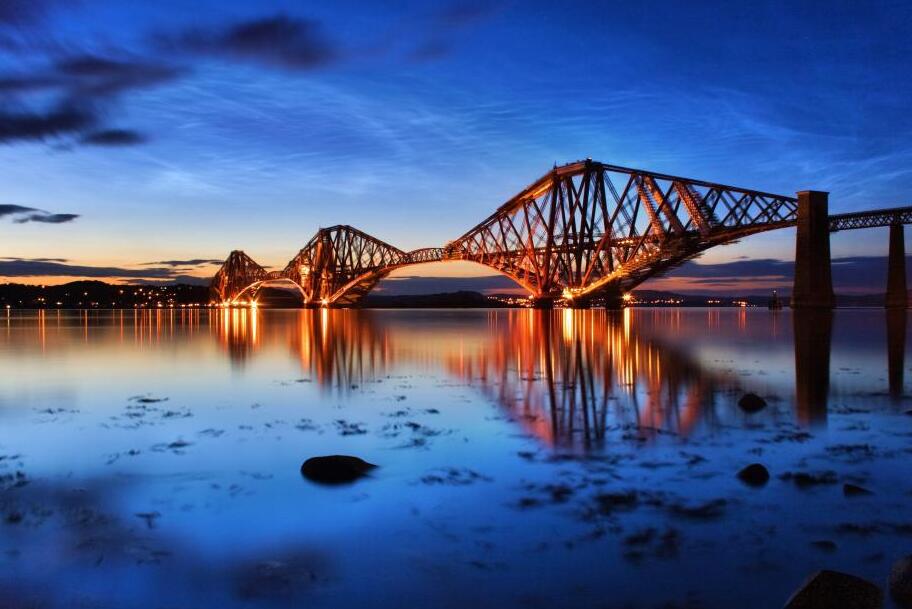

The Forth Bridge, an enduring symbol of Scottish ingenuity, stands as a testament to the triumphs of the Industrial Revolution. Spanning the picturesque Firth of Forth just a few miles from Edinburgh, this engineering marvel was inaugurated in 1890. It immediately captured global attention as one of the most extraordinary feats of its time. The bridge's genesis is steeped in the ambition of 19th-century Britain to connect distant corners of the empire via rail. Its construction was overseen by Sir John Fowler and Sir Benjamin Baker, who utilized innovative cantilever design techniques, ensuring the bridge's resilience against the harsh Scottish weather.
The bridge's construction was prompted by the tragic collapse of the Tay Bridge in 1879, which intensified the demand for safer, more robust railway infrastructure. The Forth Bridge's completion was celebrated as a triumph of both engineering and safety, with its design incorporating over 53,000 tonnes of steel—a pioneering amount at the time. This structure not only revolutionized railway travel in Scotland but also set new standards for bridge engineering worldwide.
Architecturally, the Forth Bridge is a visual symphony of steel and symmetry. Its cantilever design is both functional and magnificent, with three massive double cantilevers connected by two central towers, creating a silhouette that is instantly recognizable. The bridge's distinctive red hue is not just for show; it serves as a protective coat against corrosion from the salty sea air. This architectural masterpiece stretches 2,529 meters (8,296 feet), making it one of the longest bridges of its type at the time of its completion.
While the Forth Bridge is primarily a utilitarian structure, its artistic significance should not be understated. It has inspired countless artists, photographers, and filmmakers, capturing the imagination of many who view it as a symbol of Scotland's industrial prowess and aesthetic beauty. The bridge's bold lines and sweeping curves have made it a favorite subject in art and photography, embodying the spirit of an era when form and function beautifully intertwined.
Culturally, the Forth Bridge is intertwined with the local identity. It stands as a proud emblem of Scottish heritage and is celebrated through various local events. Each year, the nearby towns of South Queensferry and North Queensferry host festivals that pay homage to the bridge, drawing visitors who come to marvel at its grandeur and partake in traditional Scottish festivities. These events often include music, dance, and displays of local craftsmanship, providing a vibrant insight into the rich cultural tapestry of the region.
As you explore the vicinity, be sure to indulge in some traditional Scottish fare. The area around the Forth Bridge offers a delightful array of gastronomic experiences. The local seafood is a must-try, with dishes like Cullen skink—a hearty soup made from smoked haddock—offering a taste of Scotland's coastal bounty. Haggis, neeps, and tatties (turnips and potatoes) are also staples that echo the country's culinary traditions, often accompanied by a dram of fine Scotch whisky.
Beyond its awe-inspiring presence, the Forth Bridge harbors a few lesser-known stories. One such curiosity is the popular saying "like painting the Forth Bridge," which refers to a never-ending task. This idiom arose from the bridge's constant need for repainting, a laborious process that took years to complete. However, with advancements in paint technology, this task is no longer perpetual, yet the saying endures in common parlance.
For those planning a visit, the Forth Bridge can be admired throughout the year, but certain times offer unique experiences. The bridge is particularly stunning at sunrise or sunset, when the light casts dramatic shadows and highlights its intricate design. Visitors can take a boat tour on the Firth of Forth for a unique perspective or walk along the Forth Road Bridge pedestrian path for panoramic views.
When visiting, make the most of your trip by exploring the quaint town of South Queensferry, with its charming cobbled streets and historic architecture. The nearby Inchcolm Island, accessible by boat, offers a glimpse into Scotland’s monastic past with its well-preserved abbey.
The Forth Bridge is not merely a means of crossing a body of water; it is a journey through history, art, and culture. Whether you're an engineering enthusiast, a lover of architecture, or simply someone seeking the beauty of Scotland, the Forth Bridge stands ready to captivate and inspire.