




← Back

Ferrandina

75013 Ferrandina MT, Italia ★★★★☆ 189 views
Fabiana Hornett
Ferrandina
🏆 AI Trip Planner 2026

Get the free app

Discover the best of Ferrandina with Secret World — the AI trip planner with 1M+ destinations. Get personalized itineraries, hidden gems and local tips. Free on iOS & Android.

🧠 AI Itineraries 🎒 Trip Toolkit 🎮 KnowWhere Game 🎧 Audio Guides 📹 Videos
Scan to download iOS / Android
Scan for AppGallery Huawei users

About Ferrandina

Ferrandina - Ferrandina | Secret World Trip Planner

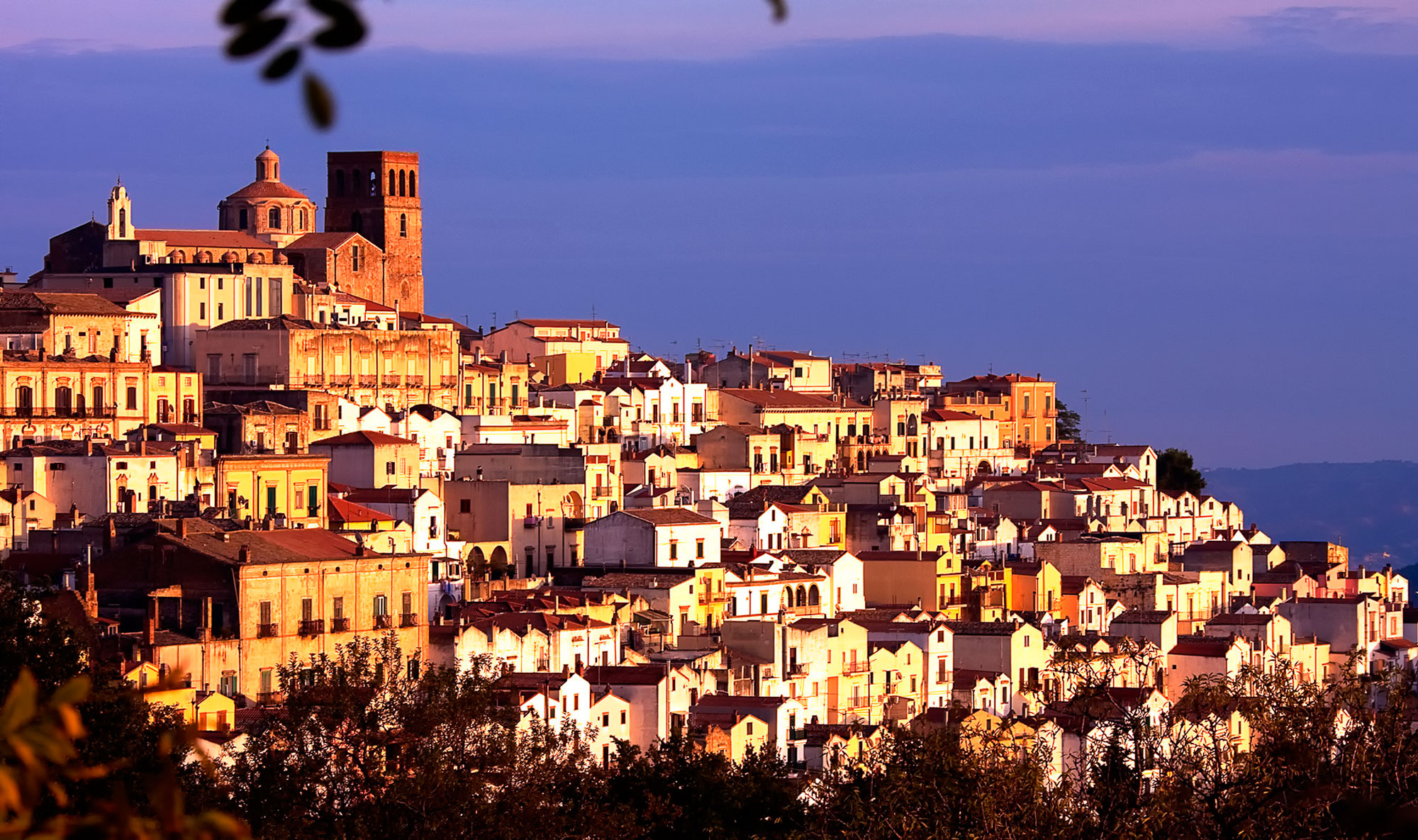
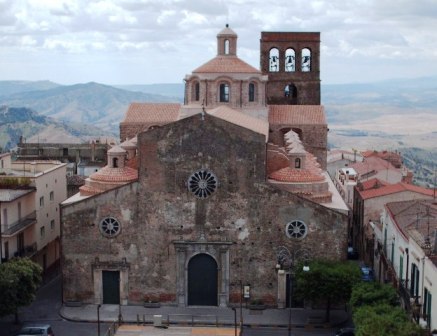
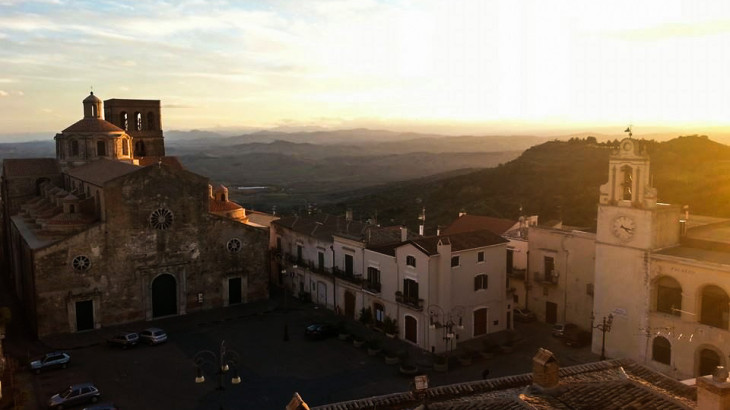
The town lies on a hillside at 482 m above sea level in Val Basento on the western bank of the Basento River of the same name in the north-central part of the province. The municipal house is located at an altitude of 497 m a.s.l. although in the suburbs the altitude is also at peaks of 550-580 m a.s.l. Because of its altitude Ferrandina is part of the mid-Materanian hills and The territory of the municipality has an extension of 215.55 km2, the fourth largest in all of Basilicata. Ferrandina's roots go back to Magna Graecia, around 1000 BC. Its name was Troilia, while its acropolis-fortress was called Obelanon (Uggiano). Troilia was built to remember and honor the destroyed city of Asia Minor, Troy. During Roman times Troilia and Obelanon were important centers of Hellenic culture and increasingly gained luster in Byzantine times. With the fall of Greek rule, Lombards and Normans took over the town. The present town originated from the ruins of the ancient center of Uggiano, destroyed by a terrible earthquake in 1456.
Ferrandina - Ferrandina | Secret World Trip Planner

It was founded in 1490 by Frederick of Aragon, who named the town after his father, King Ferrante or Ferrantino, and took in all the escapees from Uggiano.

In medieval times several feudal families took turns in ruling the town, the last of which was that of the Garcia of Toledo.
Ferrandina - Ferrandina | Secret World Trip Planner

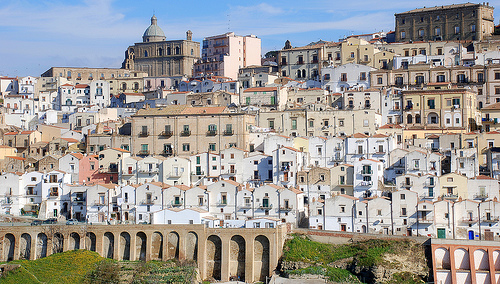
The town has interesting architectural features. "The historic center represents a typical example of Renaissance town planning,based on perspective criteria and modular regularization of buildings, and is characterized by a remarkable architectural homogeneity due to the integrity of the terraced urban layout, organized by straight and parallel streets, except for of the few unevenness of the aristocratic palaces and the four monastic complexes that have sprung up since the 16th century. Famous for the cultivation of olives and the excellent oil produced from them, Ferrandina is now among the few industrial towns in Lucania, thanks in part to the methane that is extracted in its territory.

Ferrandina - Ferrandina | Secret World Trip Planner
🗺 L'app dei tesori italiani

Plan your visit to Ferrandina

Suggested itinerary near Ferrandina

MAJ+
500.000+ travelers worldwide
  1. 🌅
    Morning
    Ferrandina
    📍 Ferrandina
  2. ☀️
    Afternoon
    Fried Lampascioni meatballs
    📍 0 km · Ferrandina
  3. 🌆
    Evening
    Miglionico and the church of Materdomini
    📍 8.8 km · Ferrandina

Buy Unique Travel Experiences

Powered by Viator

See more on Viator.com

Explore nearby

Frequently Asked Questions

Ferrandina has ancient roots dating back to Magna Graecia around 1000 BC, when it was known as Troilia, a city built to honor the destroyed Troy of Asia Minor. The present town was founded in 1490 by Frederick of Aragon, who named it after his father King Ferrante and rebuilt it to shelter refugees from the nearby city of Uggiano, which had been destroyed by an earthquake in 1456.
Ferrandina's historic center is a remarkable example of Renaissance town planning, featuring a regular grid of straight, parallel streets with remarkable architectural homogeneity. The layout includes four monastic complexes built since the 16th century and aristocratic palaces that showcase the town's commitment to perspective-based urban design and modular building regularization.
Ferrandina sits at approximately 482 meters above sea level in the Val Basento valley, making it part of the mid-Materanian hills. With a municipal territory of 215.55 km², it is the fourth-largest municipality in all of Basilicata.
Ferrandina is famous for its olive cultivation and the production of excellent olive oil from locally grown olives. The town has also become an industrial center in Lucania thanks to methane extraction operations in the region.
During medieval times, several feudal families took turns ruling Ferrandina, with the notable family of Garcia of Toledo being the last to hold power over the town. This succession of rulers contributed to the town's development and architectural heritage throughout the medieval period.