






Étretat: a name that conjures images of breathtaking white cliffs, echoing the majesty of natural sculptures shaped by the hands of time and tide. Nestled in the Normandy region of France, Étretat's cliffs are famed for their pure, chalky verticals and elegantly carved arches like the Porte d'Aval and the Porte d'Amont. These natural wonders are part of the Alabaster Coast, an evocative stretch that winds along 140 kilometers of coastline from the Seine to the Somme estuaries.
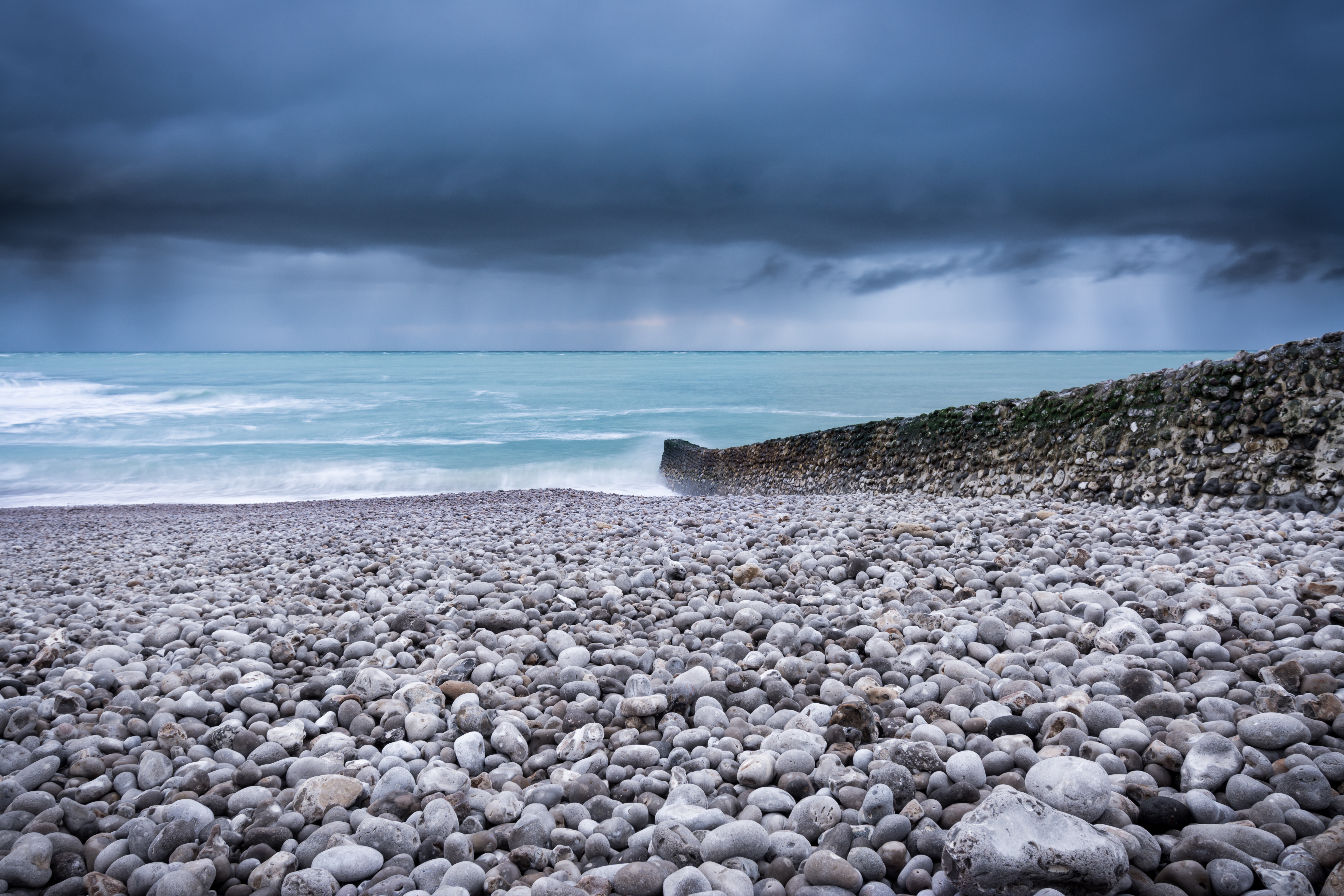
History and Origins Étretat’s history is as layered as its cliffs. Originally a quiet fishing village, it gained prominence in the 19th century as a fashionable seaside resort. However, its story reaches back to ancient times when it was known as 'Stretat', a settlement mentioned in medieval texts. The cliffs have witnessed everything from Viking invasions to the tumult of World War II, serving as both barriers and beacons.
Art and Architecture The ethereal beauty of Étretat has inspired countless artists, most notably Claude Monet, who captured its majestic cliffs in a series of paintings that accentuate their luminous quality. The town itself boasts charming architecture, including the Church of Notre Dame, a Romanesque gem dating back to the 12th century. The town’s architecture, with its Norman timber-framed houses, complements the natural artistry of the cliffs.

Local Culture and Traditions Étretat is steeped in cultural traditions, from its fête de la mer, a celebration of the sea, to the Normandy Impressionist Festival that pays homage to the region’s artistic legacy. The town vibrates with a sense of history infused with a creative spirit, where locals maintain age-old customs while welcoming new influences.
Gastronomy No visit to Étretat is complete without indulging in its culinary offerings. The region is renowned for fresh seafood, particularly mussels and oysters, harvested from local waters. The Camembert cheese and apple-based drinks, like cider and Calvados, are Normandy staples that find a special place on Étretat’s tables, offering flavors that are both robust and nuanced.
Lesser-Known Curiosities Beyond the well-trodden paths, Étretat holds secrets waiting to be discovered. Did you know that Arsène Lupin, the gentleman thief from Maurice Leblanc’s novels, is said to have hidden treasures within the cliffs? The Gardens of Étretat, designed by Madame Thébault in 1903, offer a serene escape with panoramic views, blending art and nature in a way that mirrors the cliffs themselves.
Practical Visitor Information The best time to visit Étretat is during the mild months of late spring or early autumn when the crowds thin and the weather is pleasant. For those looking to capture the cliffs in their most spectacular light, a sunrise or sunset visit is a must. Remember to wear sturdy shoes for the rugged coastal paths and bring a camera to capture the ever-changing interplay of light and shadow.
For a journey tailored to your interests, use the Secret World app to craft your ideal Étretat itinerary.