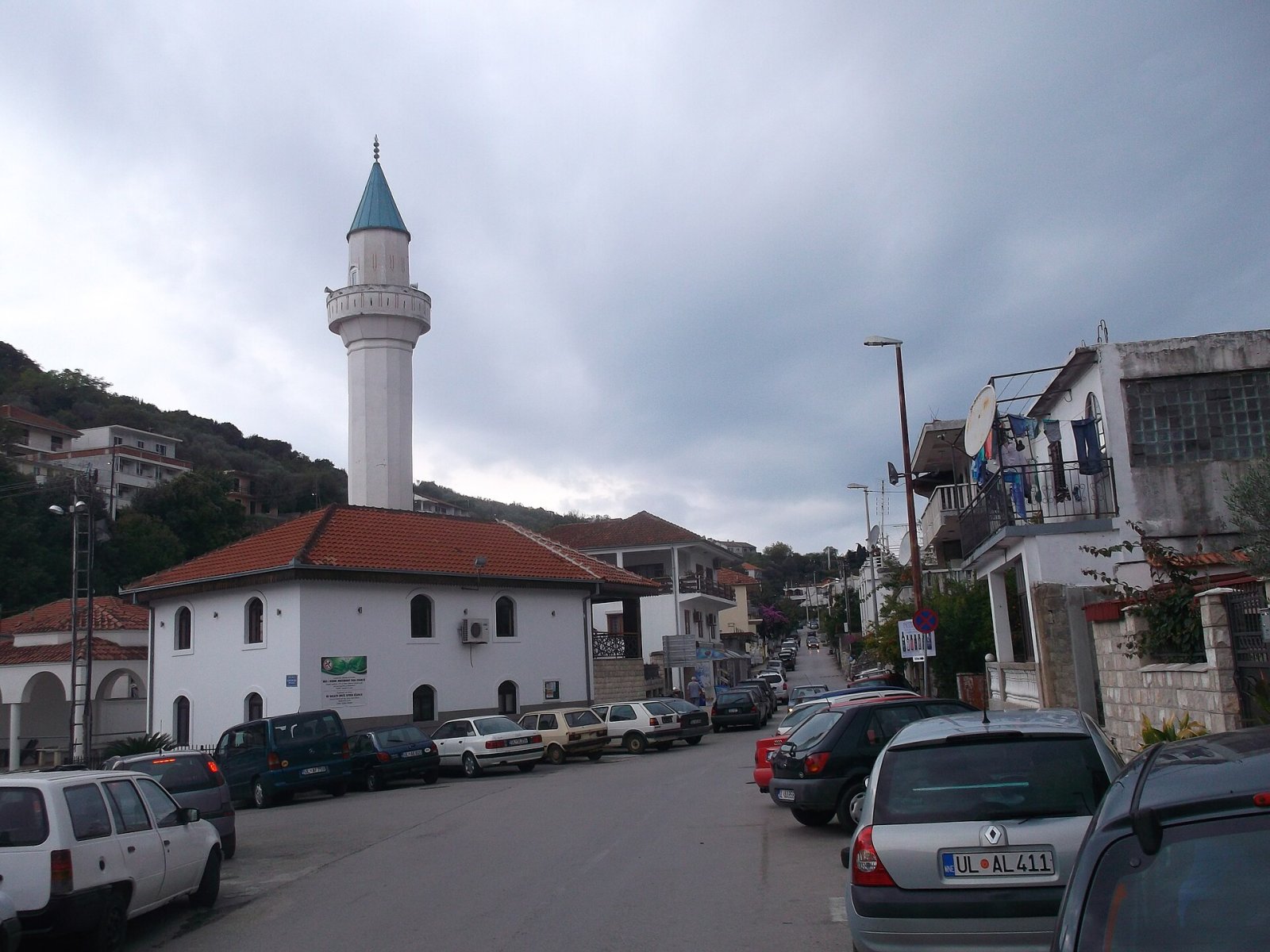

In the heart of Ulcinj, one of the most charming cities in Montenegro, stands the Xhamia e Lamit, a mosque that embodies the rich history and cultural diversity of the region. Built in 1689 by Hajji Alia, this mosque is one of the six Muslim places of worship in the city and represents an important landmark for the local community. The Xhamia e Lamit is not only a place of prayer but a symbol of resistance and identity, having overcome the challenges of time and politics.
The mosque is situated in a historical context of cultural interaction, where Albanian, Bosniak, and Arab traditions intertwine. Every Friday, the Khutbah, the sermon, is recited in three languages, reflecting the plurality of the community that frequents this sacred place. Next to the mosque is the gasulhane, where the washing of the deceased takes place, highlighting the importance of the funeral ceremony in Islamic culture.
Historical and Cultural Context
The Xhamia e Lamit is not just a religious building, but a silent witness to significant historical events. During the 1960s, the Yugoslav government, in a climate of rising nationalism and repression, attempted to destroy the mosque. However, the courage of Imam Ibrahim Llolla, who firmly opposed the authorities, allowed this cultural heritage to be safeguarded. This episode not only underscores the value of the mosque for the Muslim community but also its role as a symbol of resistance against oppression.
The mosque was built at a time when Ulcinj was an important commercial and cultural center, where different ethnicities and religions coexisted. Its architecture reflects Ottoman influences, with details that recall Islamic tradition, but also local elements that make it unique. Today, the Xhamia e Lamit is a meeting place for worshippers, but also for tourists who wish to immerse themselves in Montenegrin culture.
What Stands Out About the Place
What immediately strikes you when visiting the Xhamia e Lamit is its architectural beauty. The elegant lines and decorative details create an atmosphere of serenity and contemplation. The interior of the mosque, with its colorful carpets and artistic decorations, invites reflection, while the natural light filtering through the windows offers an almost mystical experience. The presence of the gasulhane next to the mosque adds another layer of meaning, highlighting the respect for life and death that characterizes Islamic culture.
Another fascinating aspect is the community that gathers around the mosque. During religious celebrations, one can observe the vibrancy and unity of the faithful, who come together to practice their faith and keep traditions alive. This sense of community is palpable and offers visitors a unique opportunity to interact with local culture, learning from the stories and experiences of those who live the spirituality of this place daily.
Visiting Experience
Visiting the Xhamia e Lamit is an experience that goes beyond merely observing a monument. It is an opportunity to immerse oneself in the culture and history of Montenegro. Visitors are warmly welcomed by the local community, who are happy to share their stories and traditions. It is advisable to respect the dress code by wearing appropriate clothing as a sign of respect for the sacred place.
Moreover, the location of the mosque offers a panoramic view of the city of Ulcinj and the Adriatic Sea, making the visit even more memorable. You can stroll around, exploring the historic streets and enjoying the beauty of the Montenegrin landscape. Don't forget to bring a camera, as every corner tells a story worth capturing.
Practical Information for Visitors
The Xhamia e Lamit is easily accessible from the center of Ulcinj, and it is advisable to visit during the day to fully appreciate its beauty. Entrance is free, but it is always good to check the prayer times to avoid disturbing the celebrations. If you are interested, you could also participate in one of the religious ceremonies to experience an authentic moment of community life.
During your visit, take some time to explore other attractions in Ulcinj, such as nearby beaches and restaurants offering typical Montenegrin cuisine. For a complete experience, consider using the Secret World app, which provides tips and insights on places to visit, making your trip even more enriching.