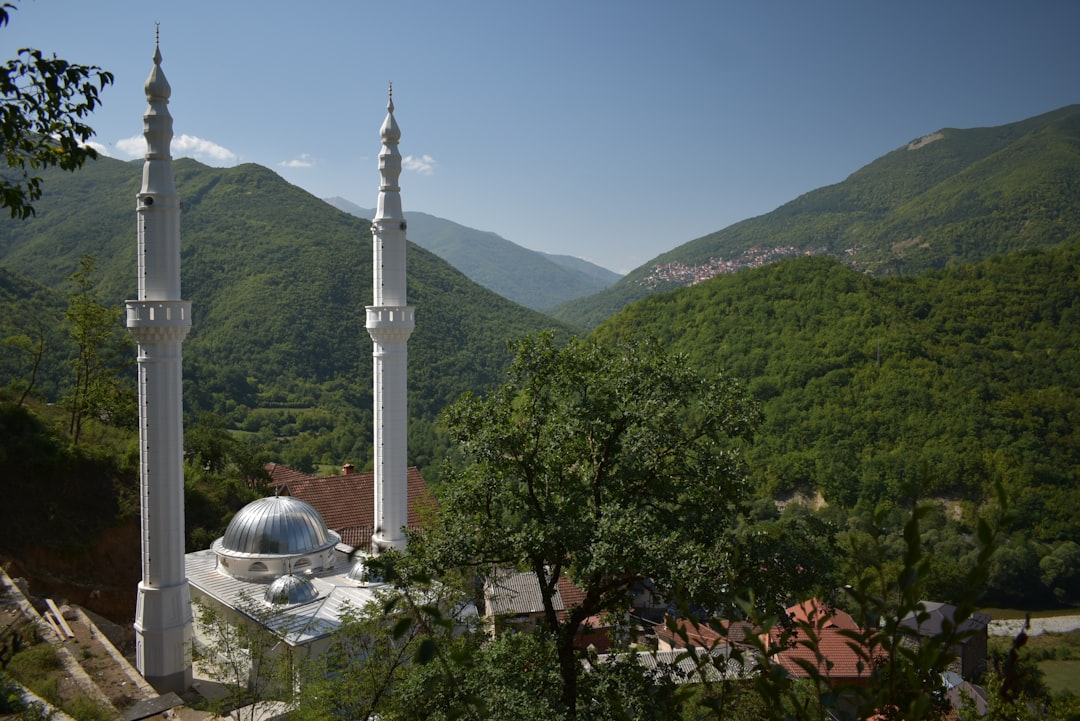

In the heart of Ulcinj, one of the most charming cities in Montenegro, stands the Xhamia e Namazgjahut, also known as the Great Mosque. Built in 1728 by Suleiman Mujali, this mosque represents not only a place of worship but also an important symbol of local history and culture. Its strategic location and architectural beauty make it a must-visit for those wishing to explore the historical and religious roots of the region.
The Xhamia e Namazgjahut is the largest of the six mosques in Ulcinj, a place where spirituality merges with history. Here, the tradition of the Friday Khutbah is celebrated in Arabic and Albanian, reflecting the rich cultural diversity of the area. The facade of the mosque, currently under restoration, is a testament to an architectural heritage that deserves to be preserved and admired.
Historical and Cultural Context
The Xhamia e Namazgjahut is a significant example of Ottoman architecture in Montenegro. Its construction in 1728 marks a period of great Turkish influence in the region when Ulcinj was an important commercial and cultural center. The mosque is not only a place of prayer but also a meeting point for the community, where events and celebrations take place, helping to keep local traditions alive.
Beyond its religious function, the mosque is a symbol of tolerance and coexistence among different cultures. The presence of Albanian and Muslim communities in the region has created a rich social fabric where cultural influences intertwine. Therefore, the Xhamia e Namazgjahut is not just a sacred building but a witness to Montenegro's shared history.
What Strikes Visitors
What immediately strikes visitors to the Xhamia e Namazgjahut is its majestic architecture. The mosque stands out for its elegant facade and its slender minaret, which rises towards the sky, inviting worshippers and tourists to enter. The interiors, decorated with geometric and calligraphic motifs, offer an atmosphere of serenity and reflection, perfect for those wishing to immerse themselves in the spirituality of the place.
Moreover, the mosque's location, which overlooks the surrounding landscape, offers a panoramic view of the city and the sea. This aspect makes the visit not only a cultural experience but also a visual one, allowing visitors to appreciate the natural beauty of Montenegro. The mosque, with its timeless charm, is a place that invites contemplation and discovery.
Visiting Experience
Visiting the Xhamia e Namazgjahut is an experience that enriches not only culturally but also personally. Visitors are welcomed with warmth and hospitality, and they can participate in prayers or simply enjoy the tranquility of the place. It is advisable to visit the mosque during less crowded hours to fully appreciate its beauty and significance.
It is important to respect the rules of behavior and dress, as the mosque is a place of worship. Men and women are invited to cover their shoulders and knees, and women are required to wear a headscarf. This not only shows respect for the local culture but also enriches the visiting experience, allowing one to connect with a living and vibrant tradition.
Practical Information for Visitors
The Xhamia e Namazgjahut is easily located in the center of Ulcinj, making it accessible to everyone. It can be reached on foot from the main tourist attractions in the city, making it an ideal stop for those exploring the area. Opening hours generally align with prayer times, so it is advisable to check in advance to plan the visit.
Additionally, there are several cafes and restaurants around the mosque where visitors can enjoy local cuisine, making the visit a complete experience. Ulcinj is a city rich in history and culture, and the Xhamia e Namazgjahut is a perfect example of it. For those wishing to further discover the city and its treasures, the Secret World app offers useful information and suggestions for every need.