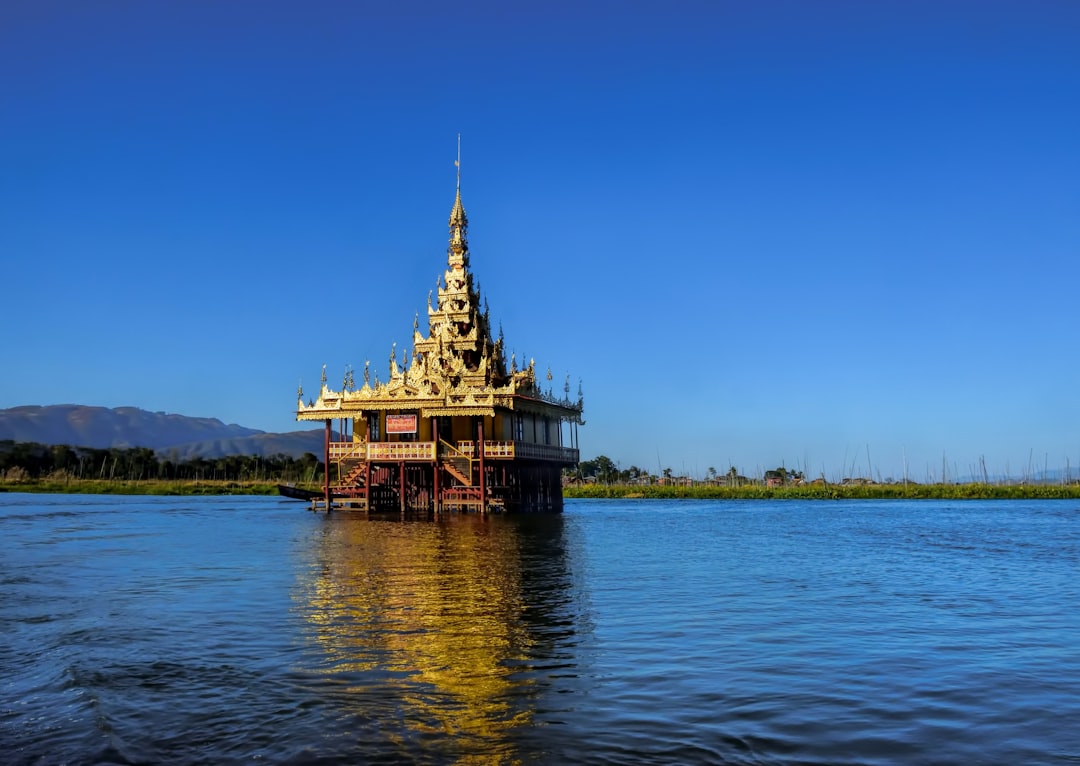

In the heart of Myanmar, 1846 represents a year of significant historical importance, closely linked to the events that marked the region during the 19th century. This period is characterized by a series of social and cultural transformations that profoundly influenced daily life and local traditions. Its geographical position, with coordinates 21.1776658, 94.8755239, places it in a context rich in history and natural beauty, making it a place of interest for those wishing to immerse themselves in Burmese culture.
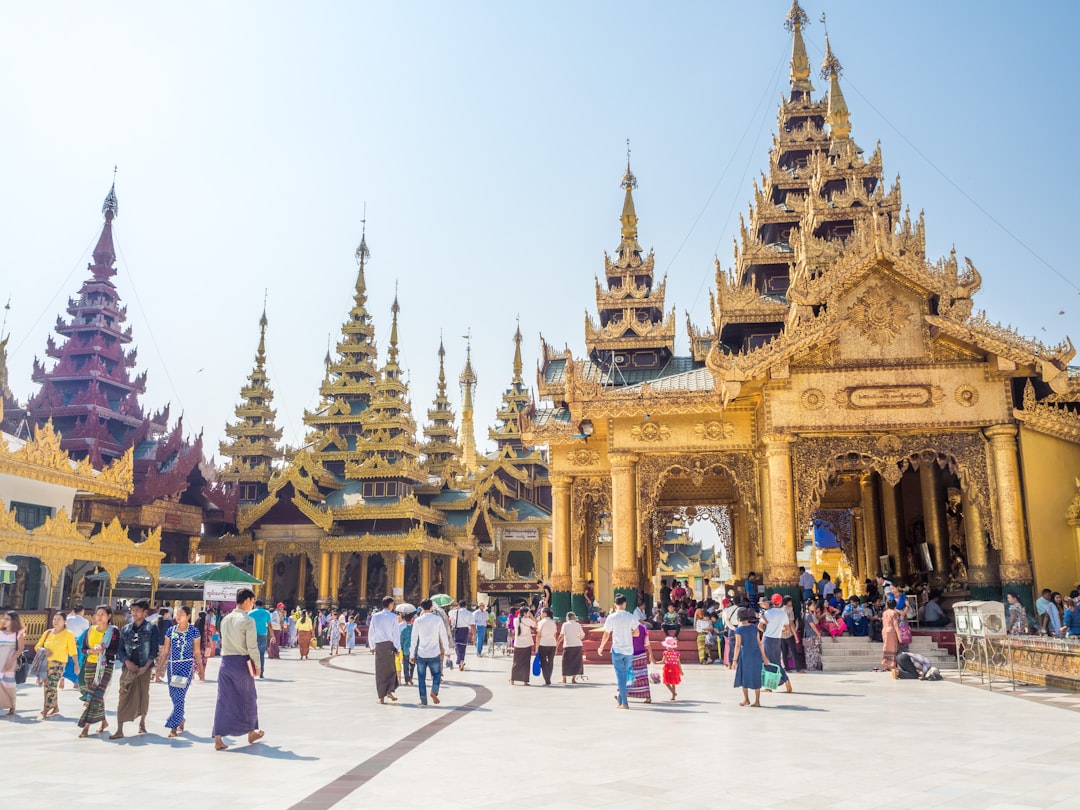
Myanmar, a country of contrasts and millennia-old stories, saw in 1846 a consolidation of its social and political structures. Although specific details on events of that particular year are not available, it is evident that the global context was changing, also influencing the internal dynamics of the nation. Interactions with colonial powers and local reactions to these influences contributed to shaping a unique cultural identity, which continues to be explored and celebrated by today's visitors.
History and Origins
1846 is a year that marks an important transition for Myanmar, a period when Burmese culture began to confront new ideas and external influences. Even though there are no specific documented events, it can be inferred that this era saw the emergence of a strong sense of national identity in response to colonial pressures. The history of Myanmar is dotted with struggles for autonomy and attempts to preserve local traditions, and 1846 could be seen as a piece of this complex mosaic.
The origins of Burmese culture intertwine with the stories of the peoples who have inhabited these lands for centuries. Religious practices, particularly Buddhism, play a crucial role in daily life and celebrations. Although 1846 is not a year of specific events, it reflects an era in which spirituality and local culture were in constant evolution, influenced by internal and external factors.
Elements to Observe
Visiting 1846 allows one to immerse in a context rich in symbols and meanings. Although there are no monuments or specific events associated with that year, the surrounding landscape is dotted with Buddhist temples and places of worship that tell stories of devotion and art. Traditional architecture, with its elegant curves and vibrant colors, offers a glimpse into the Burmese craftsmanship that has remained intact over time.
Moreover, the daily life of the inhabitants of Myanmar is an element to observe closely. Culinary traditions, artisanal practices, and local festivities are all expressions of a vibrant and resilient culture. Even though 1846 is not a year of specific celebrations, the way people live and celebrate their history is a call to discover the roots of this fascinating culture.
Why It Is Interesting Today
Today, 1846 offers a unique opportunity to explore the intersections between history and modernity in Myanmar. The growing attention to cultural heritage and the enhancement of local traditions are attracting more and more tourists, eager to understand the challenges and beauties of this country. History, while not always documented in detail, is palpable in the stories of the people and the places that can be visited.
In an increasingly globalized world, 1846 represents a bastion of cultural identity. Myanmar's ability to keep its traditions alive in the face of change is a lesson in resilience and national pride. For visitors, it is an invitation to discover not only the history of a year but the very essence of a people and their culture.
Practical Information for Visitors
For those wishing to explore 1846 and its wonders, it is advisable to plan the visit carefully. The best time to visit Myanmar is during the dry season, from November to February, when temperatures are milder and weather conditions are favorable. It is important to respect local customs, especially in religious areas, where appropriate clothing is required.
Additionally, it is useful to download the Secret World app, which offers valuable information and tips for exploring the culture and history of Myanmar. This resource can prove essential for those wishing to fully immerse themselves in the Burmese experience, discovering hidden corners and fascinating stories that make the journey unforgettable.