← Back

Discovering 1809: History and Culture of Myanmar

5VGH+CP Nyaung-U, Myanmar (Burma) ★★★★☆ 0 views
Rania Nadal
Nyaung-U
🏆 AI Trip Planner 2026

Get the free app

Discover the best of Nyaung-U with Secret World — the AI trip planner with 1M+ destinations. Get personalized itineraries, hidden gems and local tips. Free on iOS & Android.

🧠 AI Itineraries 🎒 Trip Toolkit 🎮 KnowWhere Game 🎧 Audio Guides 📹 Videos
Scan to download iOS / Android
Scan for AppGallery Huawei users

About Discovering 1809: History and Culture of Myanmar

Discovering 1809: History and Culture of Myanmar - Nyaung-U | Secret World Trip Planner

1809 is a year that, while not marked by epoch-making historical events, represents a reference point for understanding the historical and cultural dynamics of Myanmar. This country, rich in traditions and influences, offers a fascinating snapshot that deserves to be explored. Its history is intrinsically linked to the social and political changes that have shaped the region, making 1809 a symbolic year for understanding future evolutions.
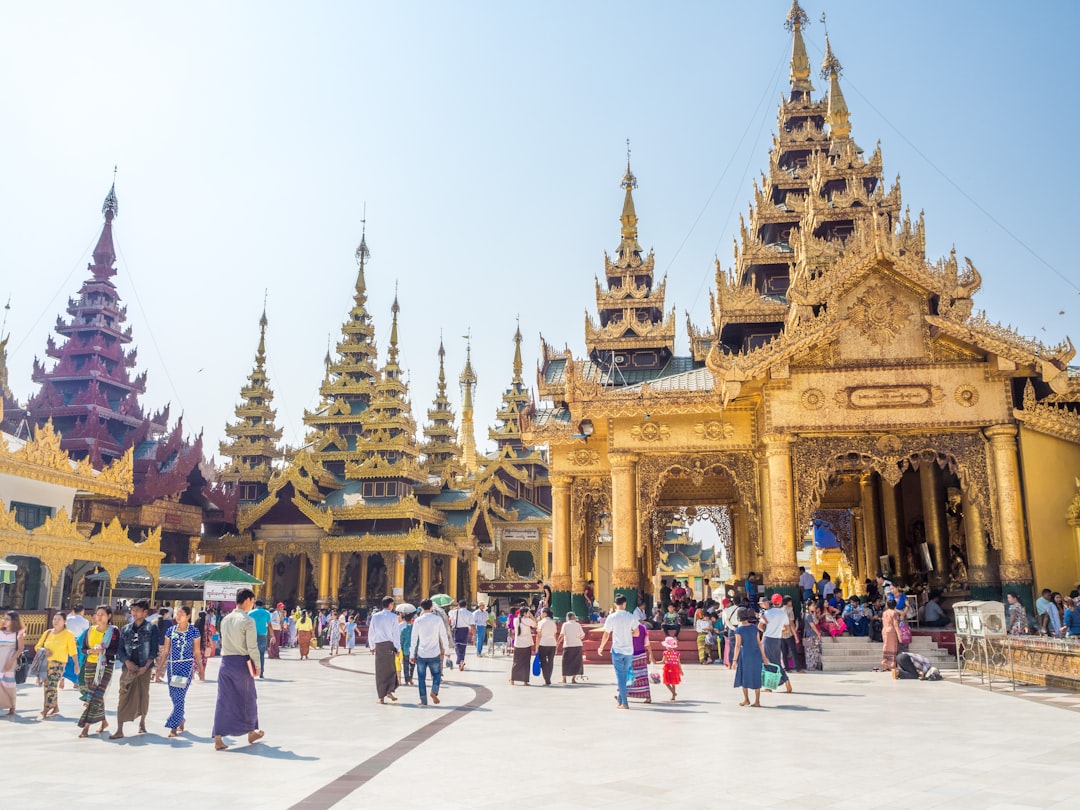
Discovering 1809: History and Culture of Myanmar - Nyaung-U | Secret World Trip Planner

Located in the heart of Southeast Asia, Myanmar is a crossroads of cultures and civilizations. The year 1809 can be seen as a period of transition, where local traditions began to interact with external influences, laying the foundations for the country's modern identity. In this context, it is interesting to observe how historical roots intertwine with the daily lives of its inhabitants.

History and Origins

1809 is a year that falls within a period of great ferment for Myanmar. Although specific events cannot be attributed to this year, it represents a moment when social and political structures were undergoing significant changes. The region, already known for its rich cultural tradition, was beginning to see the influence of external powers that would have a lasting impact on its history.

The origins of Myanmar are rooted in a millennia-old history, characterized by kingdoms and dynasties that have ruled the territory. During 1809, the country was experiencing a period of social evolution that would lead to significant transformations in the following decades. This evolution is evidenced by the architectures, traditions, and cultural practices that still characterize Myanmar today.

Elements to Observe

Visiting Myanmar, one can discover numerous elements that speak of its history and origins. The ancient pagodas, monasteries, and historic cities are witnesses to a rich and complex past. Every corner of the country tells stories of an era when spirituality and culture were intimately linked to the daily lives of its inhabitants.

In particular, the region where 1809 stands is characterized by breathtaking landscapes and unique biodiversity. Visitors can admire the natural beauty of the place, which combines with a vibrant culture, full of artisanal traditions and a rich culinary heritage. The fusion of these elements makes the travel experience in Myanmar unique and unforgettable.

Why It Is Interesting Today

Today, Myanmar is a country in transformation, seeking to reconcile its historical roots with the challenges of the modern world. The year 1809, while being a year of transition, offers insights into how cultures can evolve and adapt. The history of Myanmar teaches us the importance of preserving traditions while embracing newness.

In a global context, Myanmar is gaining increasing relevance, attracting visitors from all over the world. Its history, traditions, and culture are elements that continue to spark curiosity and interest, making every visit an opportunity to discover a unique heritage. To fully explore the country and its wonders, it may be helpful to use apps like Secret World, which offer valuable information for the modern traveler.


🗺 L'app dei tesori italiani

Plan your visit to Nyaung-U

Suggested itinerary near Discovering 1809: History and Culture of Myanmar

MAJ+
500.000+ travelers worldwide
  1. 🌅
    Morning
    Discovering 1809: History and Culture of Myanmar
    📍 Nyaung-U
  2. ☀️
    Afternoon
    Discovering 1807: A Journey Through Myanmar's History
    📍 0 km · Nyaung-U
  3. 🌆
    Evening
    Discovering 1805: A Year of Historical Significance in Myanmar
    📍 0 km · Nyaung-U

Buy Unique Travel Experiences

Powered by Viator

See more on Viator.com

Explore nearby · Nyaung-U

Frequently Asked Questions

1809 represents a pivotal transition period in Myanmar's history, marking a moment when local traditions began interacting with external influences while social and political structures underwent significant changes. Though not marked by single epoch-making events, this year serves as a symbolic reference point for understanding the country's evolution toward its modern identity and the transformations that would unfold in the following decades.
Myanmar's ancient pagodas, monasteries, and historic cities stand as physical witnesses to the country's rich past, including the period around 1809 when spirituality and culture were intimately intertwined. The architectures, traditions, and cultural practices visible throughout Myanmar today directly reflect the social evolution and historical roots that characterized this transformative era.
During 1809, Myanmar was experiencing a period of significant social evolution where external powers began exerting lasting influence on the region's political and social structures. This interaction between local traditions and outside influences laid the crucial foundations for Myanmar's modern identity and set the stage for substantial transformations in the decades that followed.
Visitors to Myanmar can explore ancient pagodas, monasteries, and historic cities throughout the country that serve as tangible evidence of the nation's complex and millennia-old history. These architectural and cultural sites tell the stories of the spiritual and cultural traditions that defined Myanmar during the 1809 period and continue to characterize the nation today.
Positioned in the heart of Southeast Asia as a crossroads of cultures and civilizations, Myanmar's 1809 period was shaped by its geographic location which facilitated the interaction of local traditions with external influences. This strategic positioning explains why the country developed such a rich cultural identity and why 1809 marks an important moment of cultural and political transition in the region.